


Ingolf Dahl
Released Album
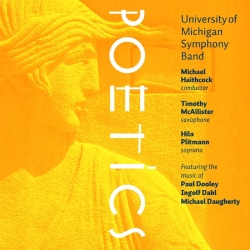
Concerto
-
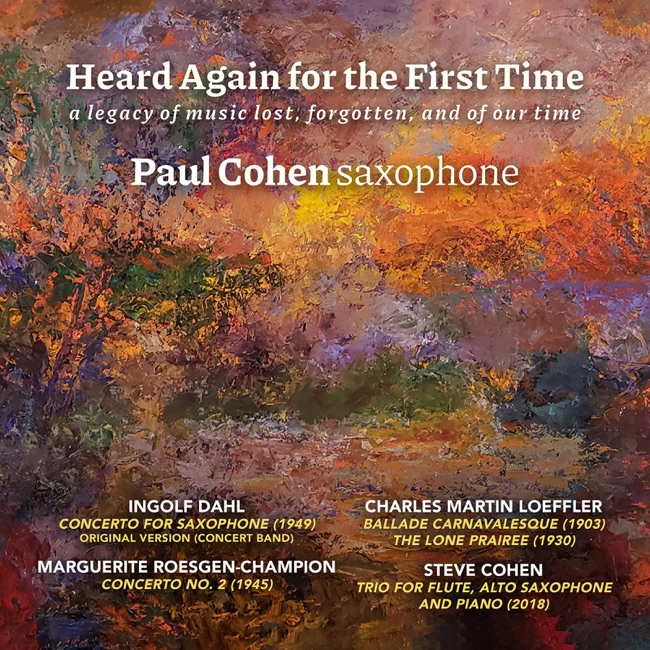
-
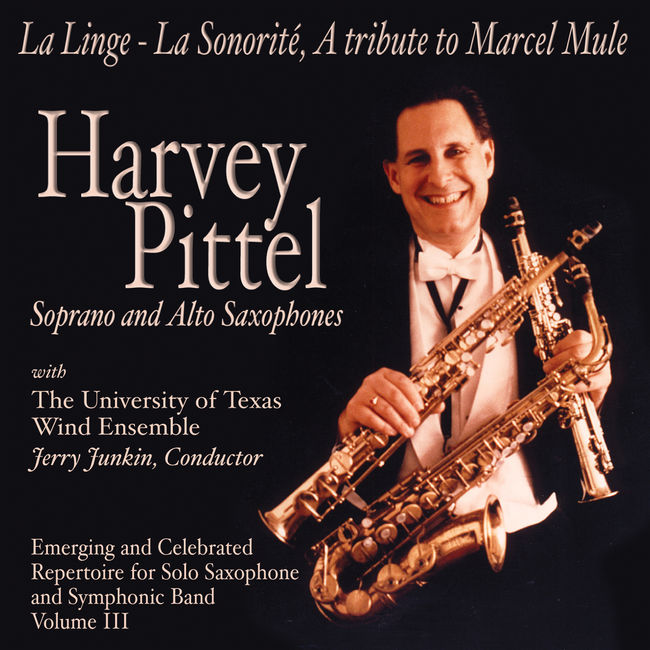 November 1, 2011
 -
 September 1, 2011
 -
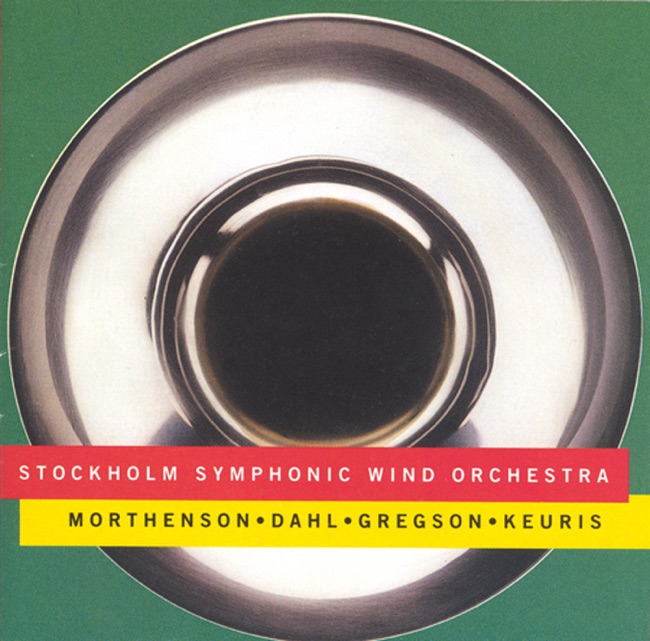
Band
-

-
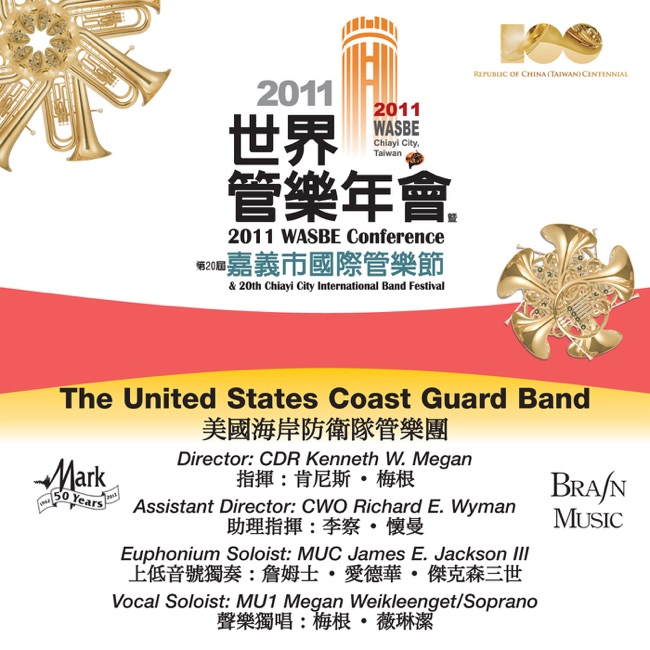 February 1, 2012
 -
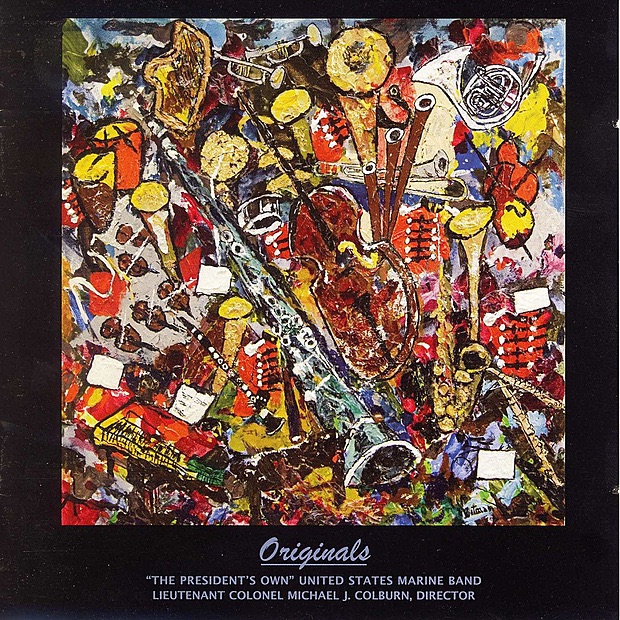 November 13, 2007
 -
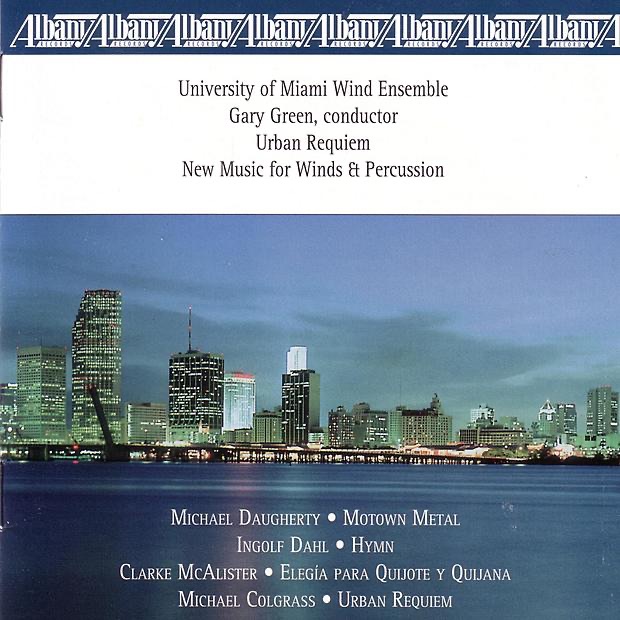 December 17, 1996
 -
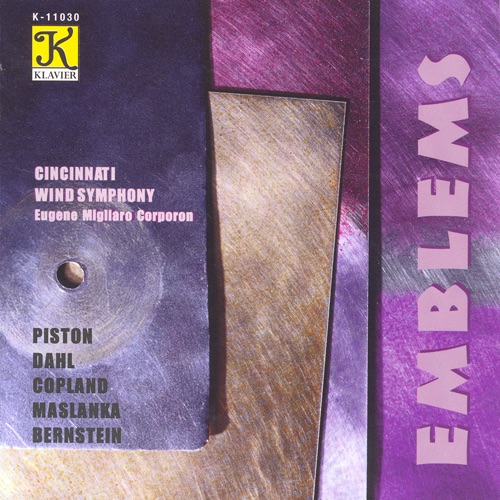 May 17, 1993
Chamber
-
 November 1, 2011
 -
 November 11, 2008
 -
 December 26, 2000
 -
Orchestral
-
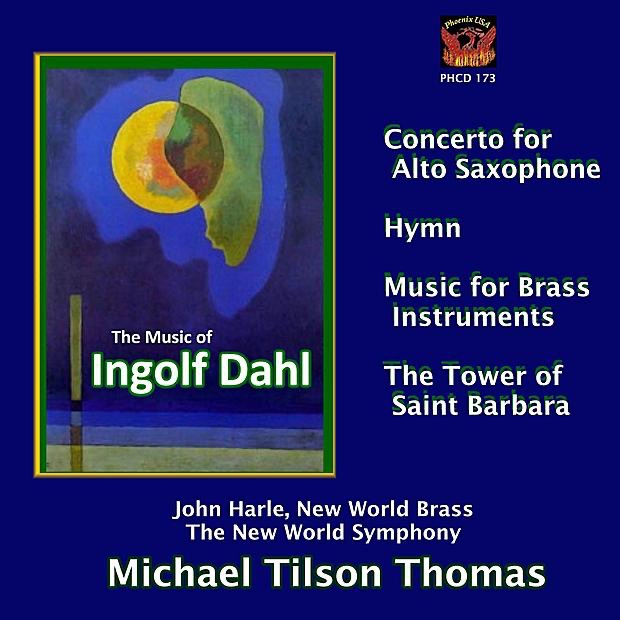 March 1, 2010
 -
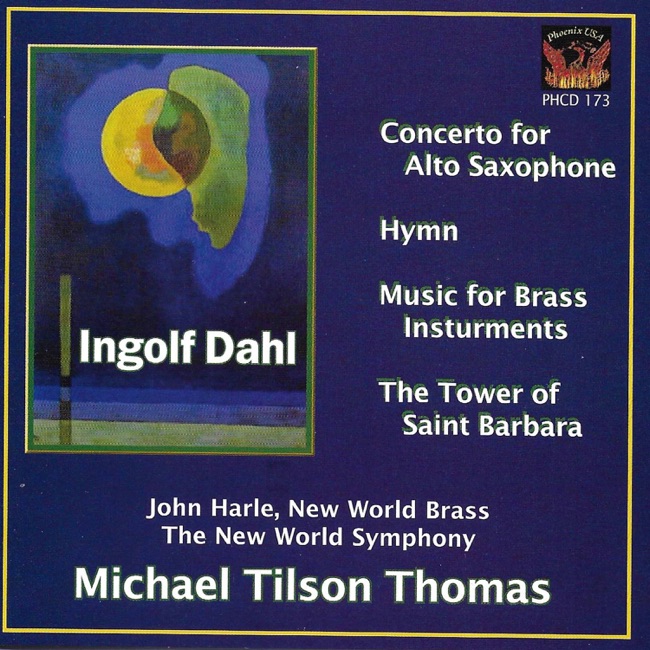
-
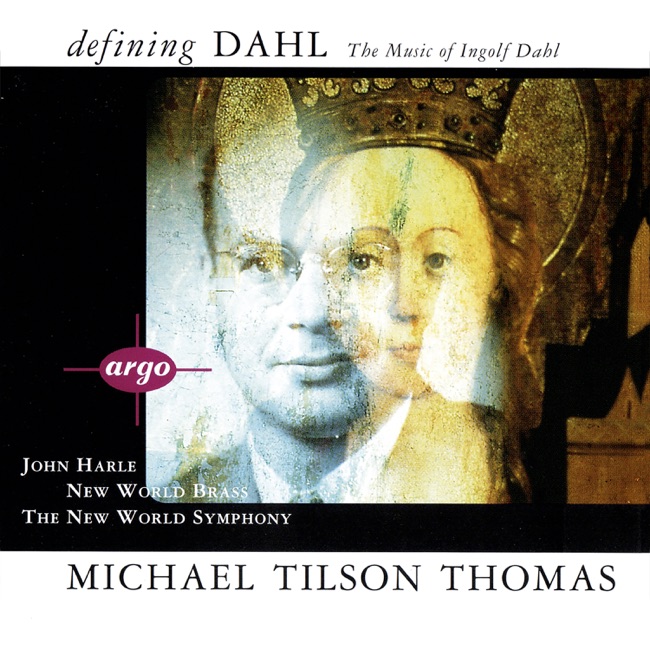 June 1, 1995
Artist Info
Role:ComposerCountry: United States of AmericaBirth:June 9, 1912 in Hamburg, GermanyDeath:August 6, 1970 in Frutigen, SwitzerlandPeriod:ModernGenre:BandChamberConcertoIngolf Dahl was a renowned classical music composer, conductor, and pianist who was born on June 9, 1912, in Hamburg, Germany. He was the son of a Danish father and a German mother. Dahl's family moved to Denmark when he was a child, and he began his musical training at the Royal Danish Academy of Music in Copenhagen. He studied piano with Victor Schiøler and composition with Knud Jeppesen. In 1937, Dahl moved to the United States to study at the Eastman School of Music in Rochester, New York. He studied composition with Bernard Rogers and piano with Cecile Genhart. After completing his studies, Dahl became a naturalized citizen of the United States in 1943. Dahl's early compositions were influenced by the neoclassical style of Stravinsky and Hindemith. His first major work was his Concerto for Alto Saxophone and Wind Orchestra, which he composed in 1949. The piece was commissioned by the North Texas State College, and it was premiered by the college's wind ensemble. The concerto is now considered a classic of the saxophone repertoire. In 1951, Dahl was appointed as the conductor of the Los Angeles Junior Philharmonic Orchestra. He held this position until 1953, when he became the conductor of the Los Angeles Philharmonic Orchestra. Dahl was the first American conductor to lead the orchestra, and he remained in this position until 1956. During his time as the conductor of the Los Angeles Philharmonic Orchestra, Dahl continued to compose. One of his most famous works from this period is his Concerto for Piano and Orchestra, which he composed in 1952. The piece was premiered by the Los Angeles Philharmonic Orchestra, with Dahl himself as the soloist. Dahl's music is characterized by its clarity, precision, and elegance. He was known for his use of counterpoint and his ability to create complex textures with simple materials. His music often features a strong rhythmic drive and a sense of playfulness. In addition to his work as a composer and conductor, Dahl was also a respected pianist. He often performed his own works, as well as the works of other composers. He was particularly known for his interpretations of Bach and Mozart. Dahl's later works were influenced by the serialism of Schoenberg and Webern. He began to experiment with atonal and twelve-tone techniques, while still maintaining his sense of clarity and precision. One of his most famous works from this period is his Music for Brass Instruments, which he composed in 1957. The piece is a twelve-tone work for brass quintet, and it is considered a classic of the brass repertoire. Dahl continued to compose and perform throughout the 1960s and 1970s. He was a professor of music at the University of Southern California from 1964 until his death in 1970. He was also a visiting professor at the University of Michigan and the University of Illinois. Dahl's legacy as a composer and conductor is still felt today. His works are performed regularly by orchestras and ensembles around the world, and his influence can be heard in the music of many contemporary composers. He was a master of his craft, and his music continues to inspire and delight audiences today.More....
Recent Artist Music
Copyright Ⓒ 2013 Davinci Finger. All rights reseved
Service Terms & Policy