


Karol Bernard Zaluski
Released Album
Keyboard
-
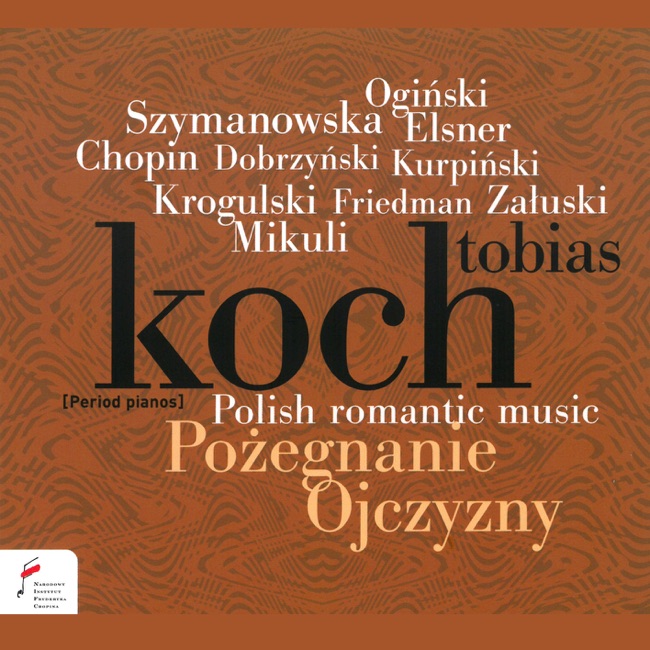 January 13, 2015
 -
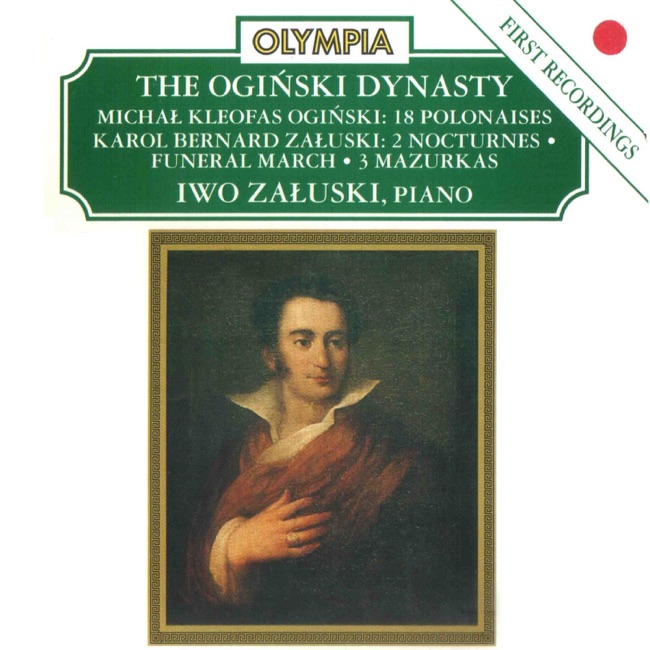 January 17, 2000
Artist Info
Role:ComposerBirth:1834Death:1919Genre:KeyboardKarol Bernard Zaluski was a Polish composer born on January 1, 1885, in the city of Warsaw. He was the son of a wealthy family, and his father was a prominent lawyer. Zaluski showed an early interest in music and began taking piano lessons at the age of six. He later studied composition with the renowned Polish composer, Zygmunt Noskowski. Zaluski's musical career began in earnest in 1907 when he won first prize in a national competition for his composition, "Polish Rhapsody." This success led to his appointment as a professor of composition at the Warsaw Conservatory, where he taught for over 30 years. During this time, he also served as the director of the conservatory from 1927 to 1930. Zaluski's music was heavily influenced by Polish folk music, and he often incorporated traditional melodies and rhythms into his compositions. He was also inspired by the works of other Polish composers, such as Chopin and Szymanowski. Zaluski's music is characterized by its lyricism, rich harmonies, and colorful orchestration. One of Zaluski's most famous works is his "Concerto for Piano and Orchestra," which he composed in 1926. The concerto is a virtuosic showcase for the soloist, with its fast-paced, technically demanding passages. However, it also contains moments of lyrical beauty, particularly in the second movement, which features a hauntingly beautiful melody played by the solo piano. Another notable work by Zaluski is his "Symphony No. 2," which he composed in 1935. The symphony is a grand, sweeping work that showcases Zaluski's skill as an orchestrator. It features lush, romantic melodies and powerful climaxes, and is considered one of the finest examples of Polish symphonic music. Zaluski also composed a number of chamber works, including his "String Quartet No. 1," which he wrote in 1919. The quartet is a beautiful, lyrical work that showcases Zaluski's skill at writing for strings. It features rich harmonies and intricate counterpoint, and is considered one of the finest examples of Polish chamber music. In addition to his work as a composer and teacher, Zaluski was also a prominent music critic. He wrote for several Polish newspapers and magazines, and was known for his insightful and thoughtful reviews. He was also a member of the Polish Academy of Sciences and the Polish Composers' Union. Zaluski's career was cut short by the outbreak of World War II. He was forced to flee Warsaw in 1939 when the city was invaded by the Germans, and he spent the remainder of the war in exile in France. He continued to compose during this time, but his output was limited due to the difficult circumstances of his exile. After the war, Zaluski returned to Poland and resumed his teaching career at the Warsaw Conservatory. However, his health began to decline, and he was forced to retire in 1950. He died on December 23, 1952, at the age of 67. Today, Zaluski is remembered as one of the most important Polish composers of the 20th century. His music is still performed and recorded, and his influence can be heard in the works of many contemporary Polish composers. His legacy as a composer, teacher, and critic continues to inspire generations of musicians and music lovers.More....

Copyright Ⓒ 2013 Davinci Finger. All rights reseved
Service Terms & Policy