


Mario Lavista
Released Album
Chamber
-
 September 7, 2018
 -
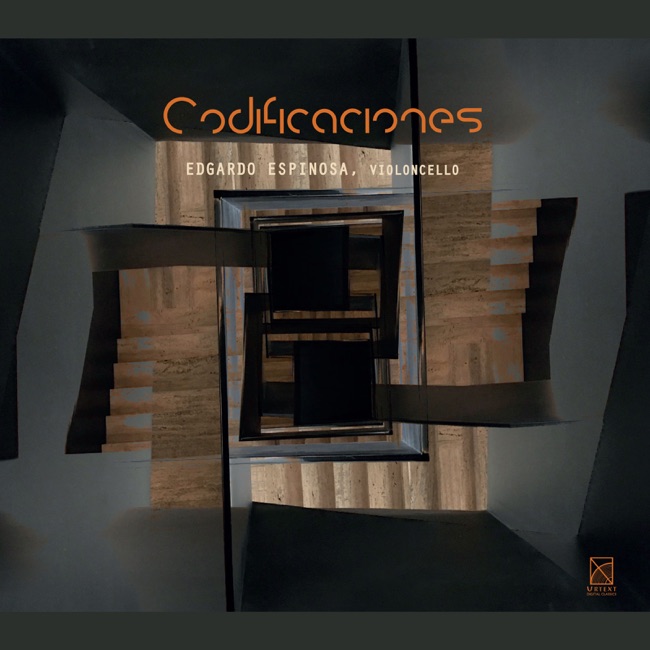 July 27, 2018
 -
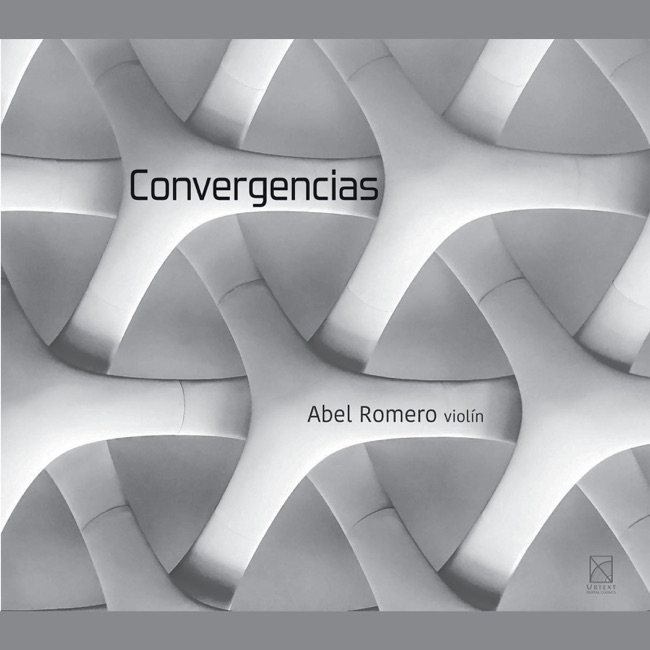 July 20, 2018
 -
 January 6, 2017
 -
 February 22, 2012
 -
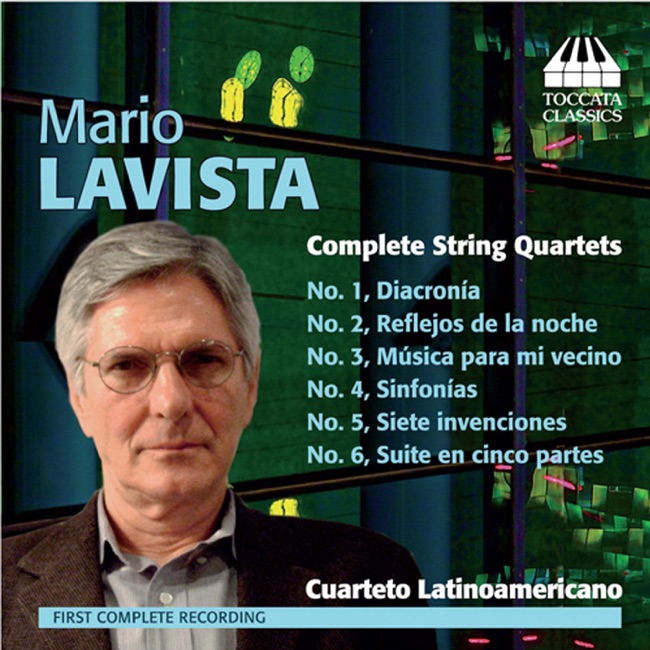 June 13, 2011
Miscellaneous
-
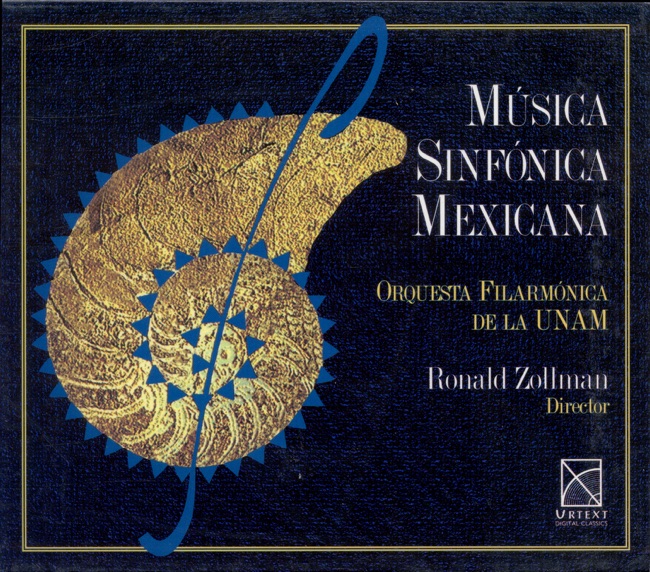 June 1, 2009
Keyboard
-
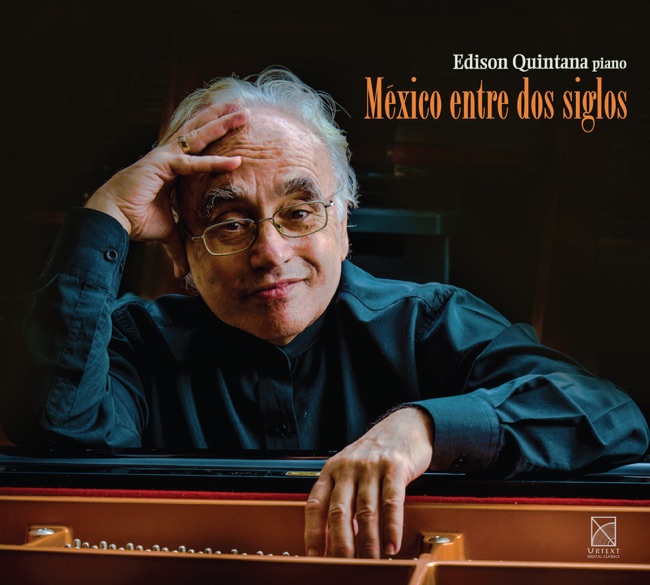 July 31, 2015
 -
 September 8, 2009
 -
 April 9, 1996
Orchestral
-
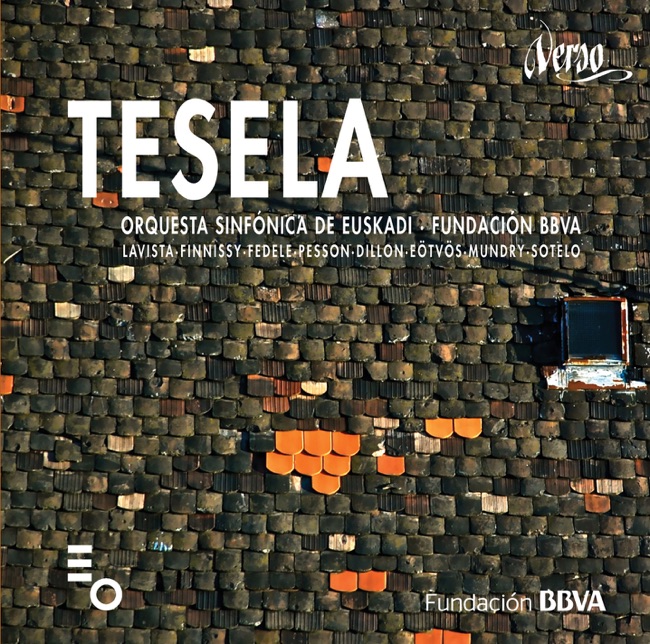 January 1, 2014
Artist Info
Role:ComposerBirth:April 3, 1943 in Mexico City, MexicoPeriod:ContemporaryGenre:ChamberMario Lavista is a Mexican composer who has made significant contributions to the world of classical music. Born on April 3, 1943, in Mexico City, Lavista grew up in a family that valued music and the arts. His father was a painter, and his mother was a pianist. Lavista began studying music at a young age, and by the time he was a teenager, he had already developed a deep love for classical music. Lavista's early musical education was focused on the piano, but he soon became interested in composition. He studied composition at the National Conservatory of Music in Mexico City, where he was mentored by some of the most prominent composers of the time, including Carlos Chávez and Rodolfo Halffter. Lavista also studied at the Darmstadt International Summer Courses for New Music in Germany, where he was exposed to the latest trends in contemporary music. Lavista's early works were heavily influenced by the avant-garde movement, which was popular in the 1960s and 1970s. His compositions were characterized by their experimental nature, their use of unconventional instruments, and their incorporation of electronic music. Some of his most notable works from this period include "Canto a un dios mineral" (1969), "Música para un jardín" (1970), and "Cinco danzas breves" (1971). In the 1980s, Lavista's style began to evolve. He began to incorporate more traditional elements into his compositions, such as tonality and melody. He also began to draw inspiration from Mexican folk music and culture. This period of Lavista's career is characterized by works such as "Reflejos de la noche" (1981), "Muros de dolor...I" (1983), and "El jardín de senderos que se bifurcan" (1985). One of Lavista's most significant works is his opera "Aura," which was premiered in 1987. The opera is based on the novel of the same name by Mexican author Carlos Fuentes. The opera tells the story of Felipe Montero, a young historian who is hired to transcribe the memoirs of an elderly woman named Consuelo. As Felipe becomes more involved in Consuelo's life, he begins to uncover dark secrets about her past. The opera is characterized by its haunting melodies, its use of Mexican folk music, and its exploration of themes such as memory, identity, and the supernatural. In the 1990s, Lavista continued to explore new musical territories. He began to incorporate more experimental elements into his compositions, such as extended techniques and microtonality. He also began to collaborate with other artists, such as choreographers and visual artists. Some of his most notable works from this period include "Cuarteto para cuerdas" (1991), "El árbol" (1993), and "El gran teatro del mundo" (1997). Lavista's music has been performed by some of the world's most prestigious orchestras and ensembles, including the Berlin Philharmonic, the London Sinfonietta, and the Ensemble Intercontemporain. He has also received numerous awards and honors for his contributions to music, including the National Prize for Arts and Sciences in the Fine Arts in 1995 and the Prince Claus Award in 2000. In addition to his work as a composer, Lavista has also been a prominent figure in the Mexican music scene. He has served as the director of the National Conservatory of Music in Mexico City and has been a professor at various universities in Mexico and the United States. He has also been a mentor to many young composers, helping to shape the next generation of Mexican classical music.More....
Recent Artist Music









Copyright Ⓒ 2013 Davinci Finger. All rights reseved
Service Terms & Policy