


Adalbert Gyrowetz
Released Album
Chamber
-
 May 3, 2024
 -
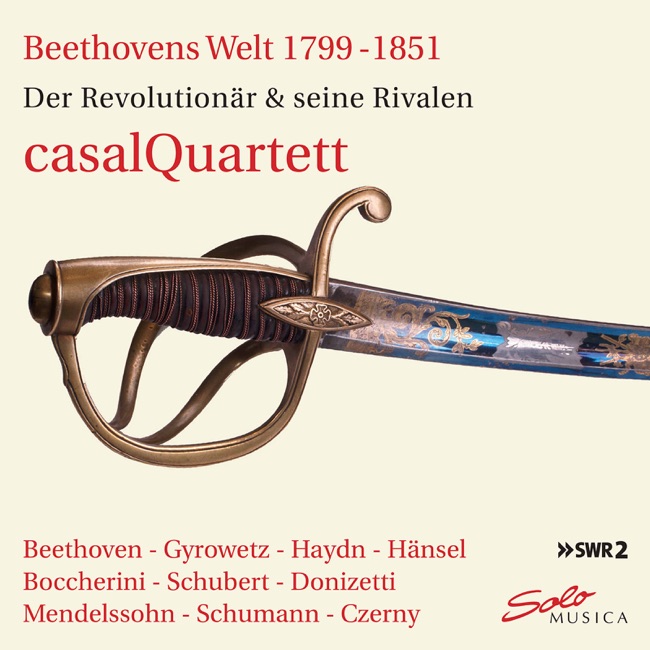 September 25, 2020
 -
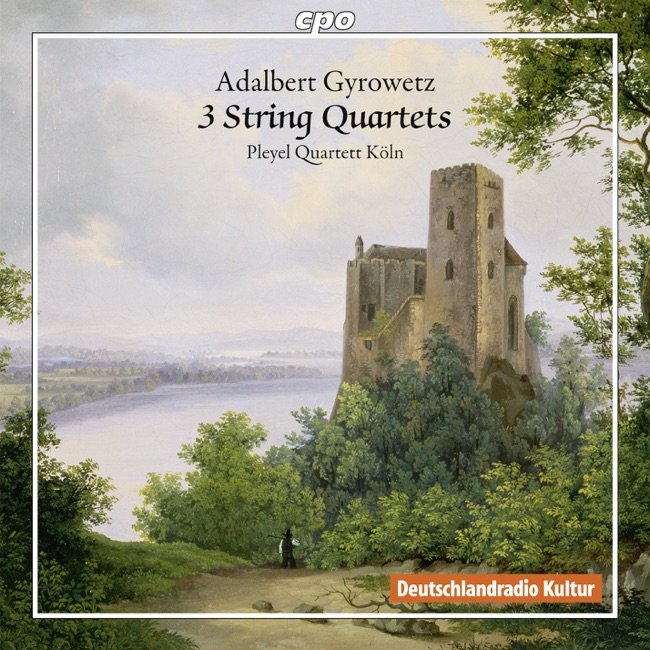 March 15, 2013
 -
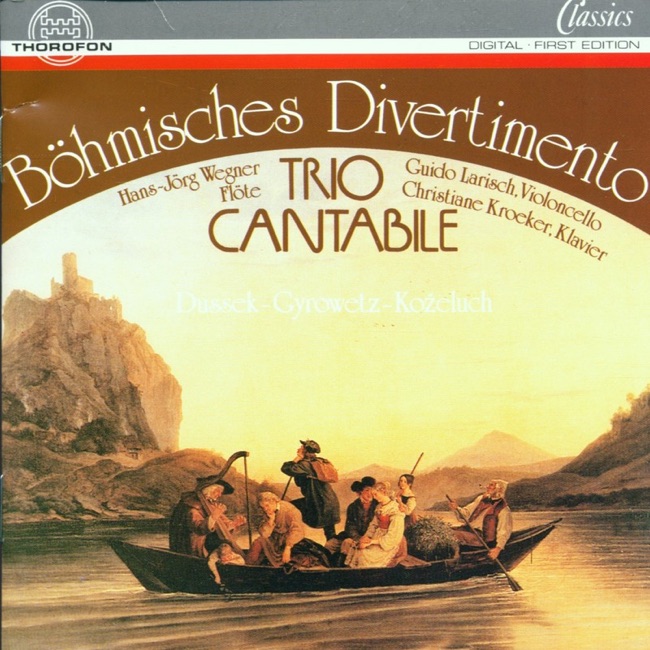 November 15, 2008
 -
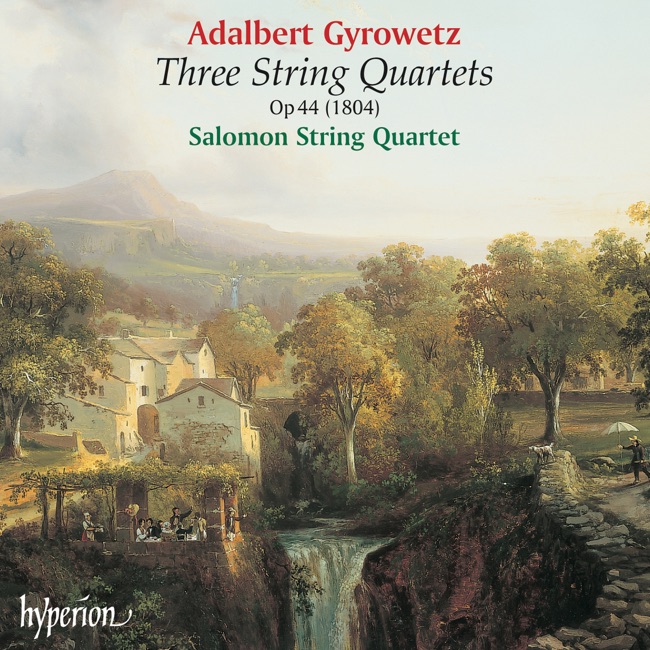 December 12, 2000
 -
 June 1, 1999
Artist Info
Role:ComposerCountry: Czech RepublicBirth:February 20, 1763Death:March 19, 1850Period:ClassicalGenre:ChamberOperaAdalbert Gyrowetz was a classical music composer born on February 20, 1763, in the town of České Budějovice, located in the present-day Czech Republic. He was the son of a local schoolmaster, and his father recognized his son's musical talent at an early age. As a result, he provided him with a solid musical education, which included lessons in piano, violin, and composition. Gyrowetz's musical career began in earnest when he moved to Vienna in 1785. There, he quickly established himself as a talented composer and performer, and he soon became a sought-after musician in the city's musical circles. He was particularly well-known for his chamber music, which was highly regarded for its elegance, charm, and lyricism. One of the highlights of Gyrowetz's early career was his appointment as the Kapellmeister of the Prince of Lichtenstein's court in 1792. This position allowed him to compose music for a variety of occasions, including courtly ceremonies, private concerts, and public performances. It also gave him the opportunity to work with some of the most talented musicians of his time, including the renowned violinist Ignaz Schuppanzigh. Gyrowetz's reputation as a composer continued to grow throughout the 1790s, and he became increasingly popular among Viennese audiences. He was particularly well-known for his string quartets, which were praised for their melodic inventiveness and emotional depth. He also composed a number of symphonies, operas, and other works during this period, many of which were performed to great acclaim. In 1804, Gyrowetz moved to Paris, where he hoped to establish himself as a composer and performer in the city's thriving musical scene. Although he initially struggled to gain a foothold in the French capital, he eventually found success with his opera La mort du Tasse, which was performed at the Théâtre Feydeau in 1805. The opera was well-received by audiences and critics alike, and it helped to establish Gyrowetz as a major figure in the Parisian music world. Gyrowetz continued to compose prolifically throughout the 1810s and 1820s, producing a wide range of works in a variety of genres. He was particularly interested in the symphony, and he composed a number of large-scale works in this form during this period. He also continued to write chamber music, including a series of string quartets that were highly regarded for their technical virtuosity and emotional depth. Despite his success as a composer, Gyrowetz struggled with financial difficulties throughout much of his life. He was never able to secure a permanent position as a court musician, and he often had to rely on commissions and private patronage to support himself. Nevertheless, he remained dedicated to his craft, and he continued to compose music until his death on March 19, 1850. Today, Gyrowetz is remembered as one of the most important composers of the classical era. His music is characterized by its elegance, lyricism, and emotional depth, and it continues to be performed and recorded by musicians around the world. Although he never achieved the same level of fame as some of his contemporaries, such as Mozart and Haydn, his contributions to the classical music canon are significant and enduring.More....
Recent Artist Music

Copyright Ⓒ 2013 Davinci Finger. All rights reseved
Service Terms & Policy