


Robert Owens
Released Album
Vocal
-

-
 March 19, 2021
 -
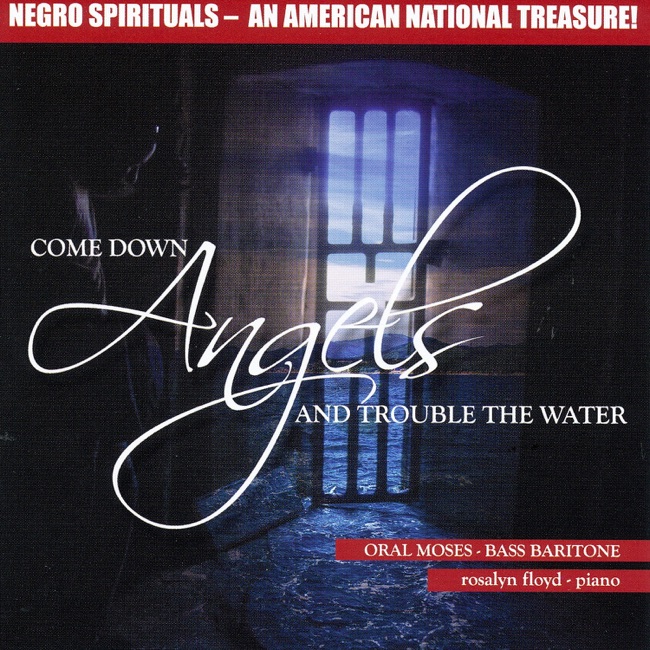 April 8, 2014
 -
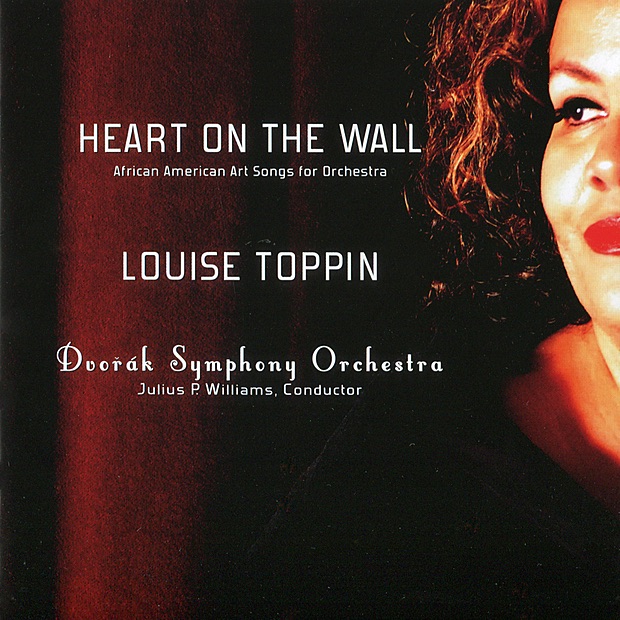 November 8, 2011
 -
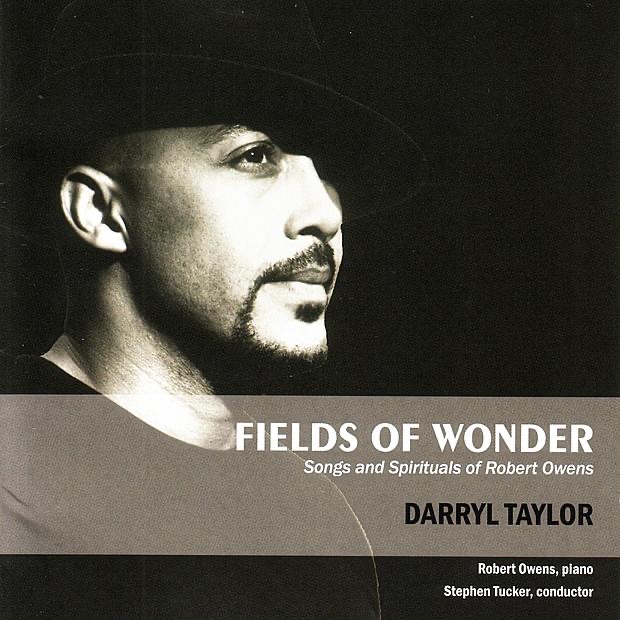 December 26, 2006
 -
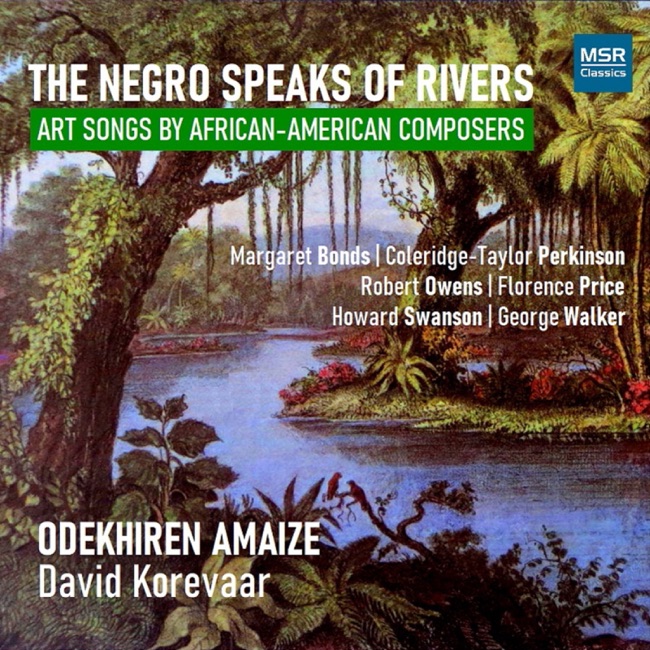 January 25, 2000
Artist Info
Role:ComposerBirth:September 19, 1925 in Denison, TXDeath:January 5, 2017 in Munich, GermanyPeriod:ModernGenre:VocalRobert Owens was an American classical music composer, born on March 18, 1925, in St. Louis, Missouri. He was the youngest of three children and grew up in a musical family. His father was a church organist, and his mother was a pianist. Owens began playing the piano at the age of four and showed a natural talent for music. Owens attended the University of Michigan, where he studied composition with Ross Lee Finney and earned his Bachelor of Music degree in 1949. He then went on to study at the Eastman School of Music in Rochester, New York, where he earned his Master of Music degree in 1951. After completing his studies, Owens began his career as a composer and pianist. He performed as a soloist and chamber musician, and his compositions were performed by various orchestras and ensembles. Owens was also a professor of music at the University of Illinois at Urbana-Champaign from 1957 to 1986. Owens' music is characterized by its use of traditional forms and structures, combined with modern harmonies and rhythms. His compositions often feature complex polyphony and intricate textures, and he was known for his skillful use of counterpoint. One of Owens' most famous works is his Symphony No. 1, which was premiered by the Chicago Symphony Orchestra in 1964. The symphony is a four-movement work that showcases Owens' mastery of orchestration and his ability to create complex musical structures. The symphony has been performed by many orchestras around the world and is considered one of Owens' most important works. Another notable work by Owens is his Piano Sonata No. 2, which was composed in 1955. The sonata is a three-movement work that showcases Owens' virtuosic piano writing and his ability to create intricate musical textures. The sonata has been performed by many pianists and is considered one of Owens' most important works for the piano. Owens also composed many works for chamber ensembles, including his String Quartet No. 1, which was composed in 1953. The quartet is a four-movement work that showcases Owens' skillful use of counterpoint and his ability to create complex musical structures. The quartet has been performed by many ensembles and is considered one of Owens' most important works for chamber music. In addition to his compositions, Owens was also a respected music educator. He taught composition and music theory at the University of Illinois at Urbana-Champaign for nearly 30 years and was known for his dedication to his students and his passion for music education. Owens received many awards and honors throughout his career, including a Guggenheim Fellowship in 1962 and a National Endowment for the Arts grant in 1974. He was also a member of the American Academy of Arts and Letters and the American Academy of Arts and Sciences. Robert Owens passed away on June 9, 2017, at the age of 92. He left behind a legacy of music that continues to inspire and influence musicians around the world. His compositions are considered some of the most important works of American classical music, and his dedication to music education has had a lasting impact on generations of musicians.More....
Recent Artist Music
1
1:55


Copyright Ⓒ 2013 Davinci Finger. All rights reseved
Service Terms & Policy