


Pavel Borkovec
Released Album
Orchestral
-
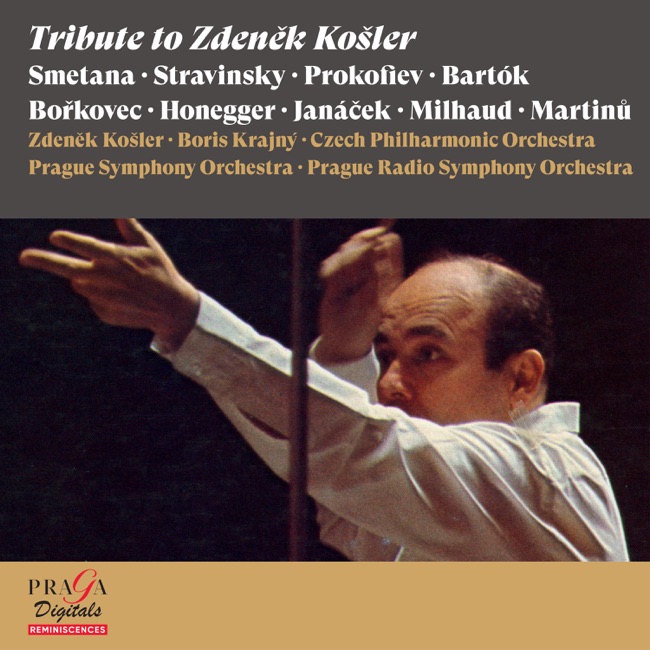 July 7, 2017
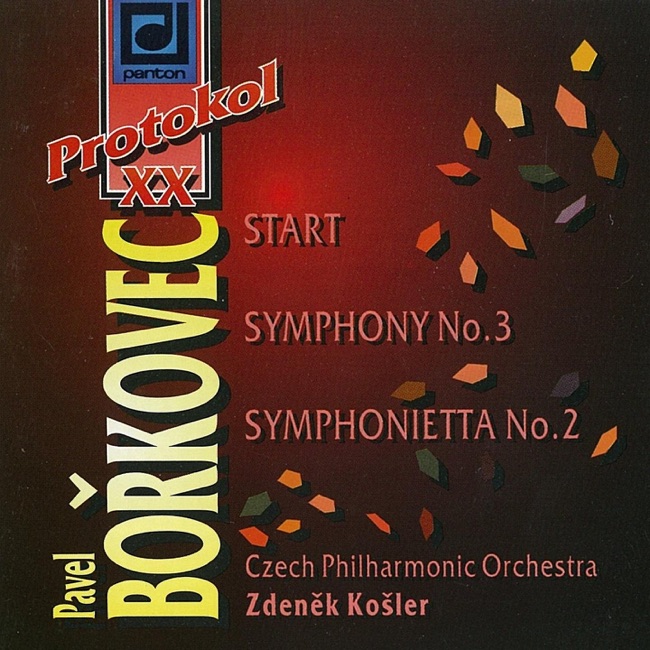
Symphony
Concerto
-
 February 23, 2024
Artist Info
Role:ComposerBirth:June 10, 1894 in Prague, Czech RepublicDeath:July 22, 1972 in Prague, Czech RepublicPeriod:ModernPavel Borkovec was a Czech composer, born on June 26, 1894, in Prague. He was the son of a prominent Czech composer, Karel Borkovec, who was also a professor of music at the Prague Conservatory. Pavel Borkovec grew up in a musical family and was exposed to music from an early age. He began his musical education at the Prague Conservatory, where he studied composition with Josef Bohuslav Foerster and piano with Vilém Kurz. After completing his studies at the Prague Conservatory, Borkovec continued his education at the Prague Academy of Music, where he studied composition with Vítězslav Novák. During this time, he also studied conducting with Václav Talich, who was the conductor of the Czech Philharmonic Orchestra. Borkovec's studies with Novák had a significant impact on his musical style, and he became known for his use of folk melodies and rhythms in his compositions. Borkovec's early works were heavily influenced by the music of his father, Karel Borkovec, and other Czech composers such as Antonín Dvořák and Bedřich Smetana. However, as he matured as a composer, Borkovec began to develop his own unique style, which was characterized by its use of complex harmonies and rhythms. One of Borkovec's most significant works is his Symphony No. 1, which he composed in 1927. The symphony is a large-scale work that showcases Borkovec's mastery of orchestration and his ability to create complex musical structures. The symphony was well-received by audiences and critics alike and helped establish Borkovec as one of the leading composers of his generation. In addition to his symphonies, Borkovec also composed a number of chamber works, including string quartets, piano trios, and sonatas. One of his most famous chamber works is his String Quartet No. 2, which he composed in 1935. The quartet is a highly expressive work that showcases Borkovec's ability to create complex textures and harmonies. During the 1930s, Borkovec became increasingly interested in the music of Arnold Schoenberg and other members of the Second Viennese School. He began to incorporate some of their techniques, such as serialism, into his own compositions. However, Borkovec's use of these techniques was always tempered by his own unique musical voice, and he never fully embraced the atonal style of the Second Viennese School. Borkovec's career was interrupted by the outbreak of World War II, and he was forced to flee Czechoslovakia in 1940. He spent the war years in Switzerland, where he continued to compose and teach music. After the war, Borkovec returned to Czechoslovakia and resumed his career as a composer and teacher. One of Borkovec's most significant works from this period is his Symphony No. 2, which he composed in 1947. The symphony is a highly expressive work that reflects the turmoil of the post-war period. It is characterized by its use of dissonant harmonies and complex rhythms, which create a sense of tension and unease. Borkovec continued to compose throughout the 1950s and 1960s, but his music became increasingly marginalized by the communist government in Czechoslovakia. He was accused of being a formalist and was banned from performing his music in public. Despite these difficulties, Borkovec continued to compose, and his later works are characterized by their introspective and meditative qualities. Pavel Borkovec died on August 27, 1972, in Prague.More....
Copyright Ⓒ 2013 Davinci Finger. All rights reseved
Service Terms & Policy