


Vytautas Bacevicius
Released Album
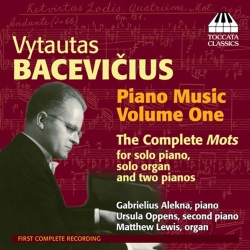
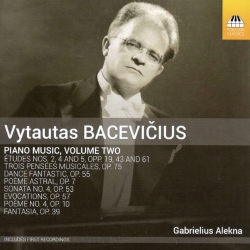
Keyboard
-
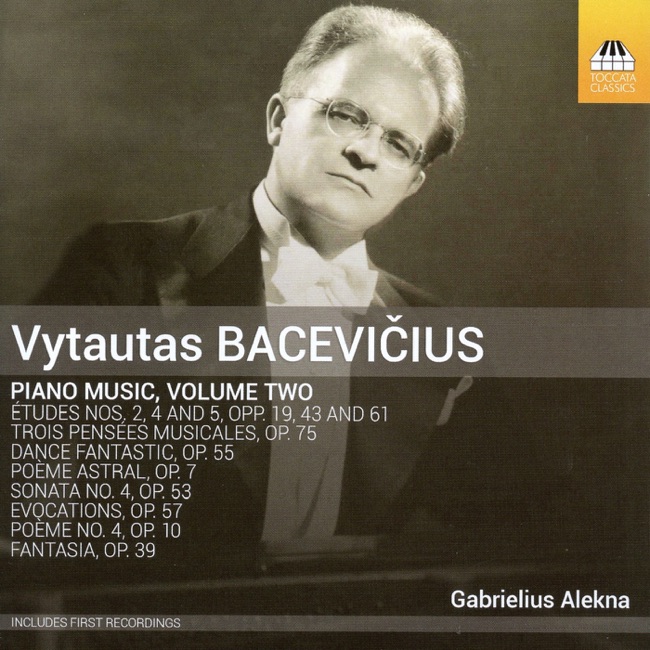 September 30, 2016
 -
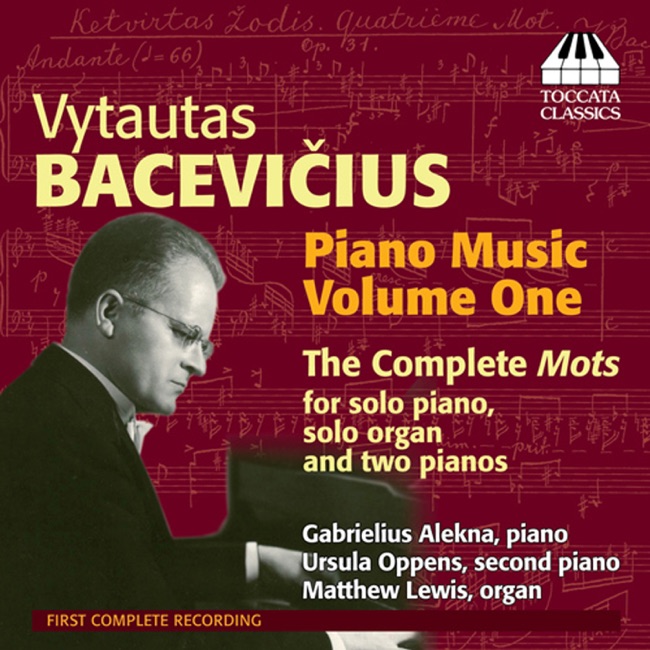 March 5, 2012
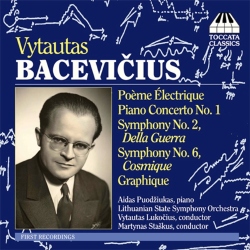
Concerto
-
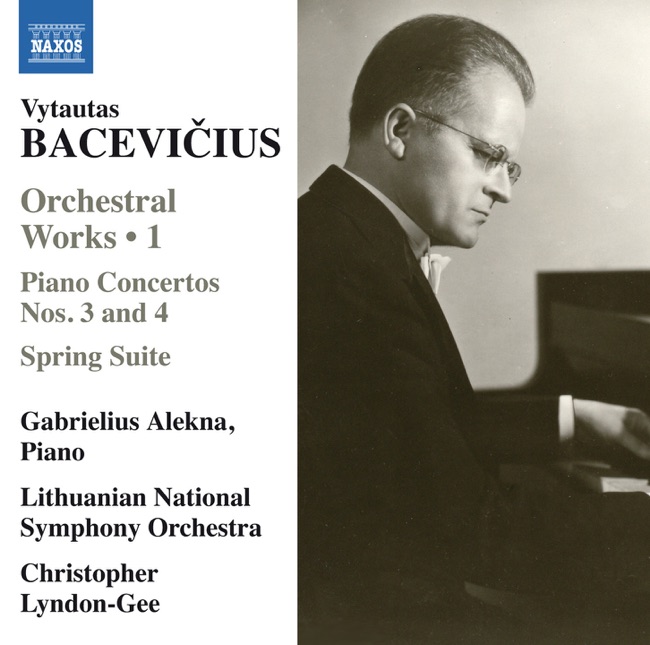 April 14, 2015
Symphony
-
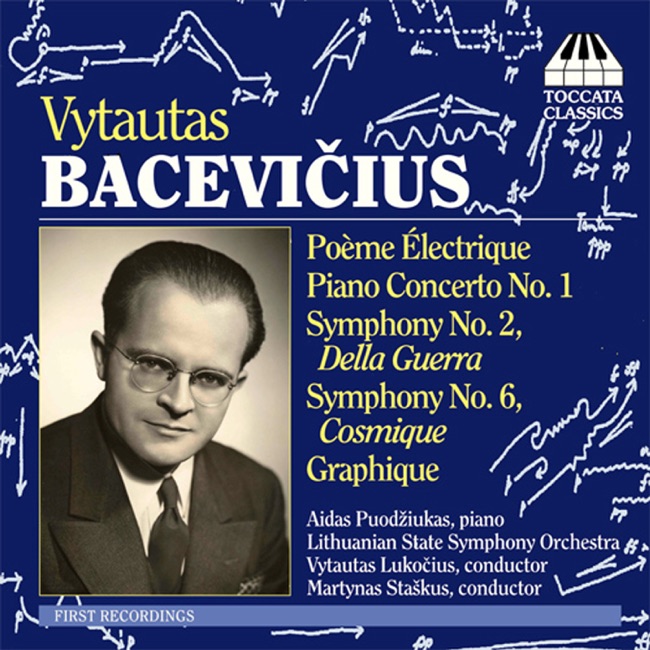 May 8, 2007
Artist Info
Role:ComposerBirth:September 9, 1905 in Lódz, PolandDeath:January 15, 1970 in New York City, NYVytautas Bacevicius was a Lithuanian composer and pianist who was born on August 21, 1905, in Raseiniai, Lithuania. He was the son of a prominent Lithuanian composer and conductor, Juozas Bacevicius, who was also his first music teacher. Vytautas showed an early interest in music and began composing at a young age. He studied piano and composition at the Lithuanian Conservatory in Kaunas, where he graduated with honors in 1927. After completing his studies, Bacevicius traveled to Paris to continue his musical education. He studied with renowned composers such as Nadia Boulanger, Paul Dukas, and Arthur Honegger. During his time in Paris, Bacevicius became interested in the avant-garde music of the time, particularly the works of Arnold Schoenberg and his disciples. He began experimenting with atonal and serial techniques in his own compositions, which would become a hallmark of his style. Bacevicius returned to Lithuania in 1930 and quickly established himself as one of the country's leading composers. He was a prolific composer, producing works in a variety of genres, including orchestral, chamber, vocal, and piano music. His music was often characterized by its complex harmonies, intricate rhythms, and unconventional forms. One of Bacevicius's most significant works is his Piano Sonata No. 3, which he composed in 1933. The sonata is a prime example of his use of atonal and serial techniques, and it is considered one of the most challenging works in the piano repertoire. The sonata is divided into three movements, each of which explores different aspects of Bacevicius's unique musical language. Another notable work by Bacevicius is his Symphony No. 2, which he composed in 1937. The symphony is a large-scale work that showcases Bacevicius's skill as an orchestrator. The piece is divided into four movements, each of which is characterized by its complex harmonies and intricate rhythms. The symphony was well-received by audiences and critics alike and helped establish Bacevicius as one of the leading composers of his generation. Bacevicius's music was not without controversy, however. His use of atonal and serial techniques was seen by some as too radical and difficult to understand. In 1940, the Soviet Union annexed Lithuania, and Bacevicius's music was banned for its perceived "formalism." Bacevicius was forced to flee Lithuania and spent the rest of his life in exile. Despite the challenges he faced, Bacevicius continued to compose throughout his life. He lived in various countries, including the United States, Brazil, and France, and his music continued to evolve. In the 1950s, he began incorporating elements of Lithuanian folk music into his compositions, creating a unique blend of avant-garde and traditional styles. One of Bacevicius's most significant works from this period is his String Quartet No. 4, which he composed in 1957. The quartet is a prime example of his use of folk elements, with its use of Lithuanian folk melodies and rhythms. The quartet is divided into four movements, each of which explores different aspects of Lithuanian folk music. Bacevicius continued to compose until his death in 1970. His music remains an important part of the Lithuanian classical music tradition and is still performed and studied today. His legacy as a composer and pianist is a testament to his dedication to pushing the boundaries of musical expression and his commitment to his art.More....
Recent Artist Music
1
14:20
3
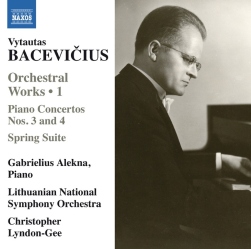
Piano Concerto No. 3, Op. 44
1. Allegro moderato - più mosso - Allegro molto - Moderato - Vivace
12:12
Copyright Ⓒ 2013 Davinci Finger. All rights reseved
Service Terms & Policy