


Gregory Huwet
Released Album
Chamber
-
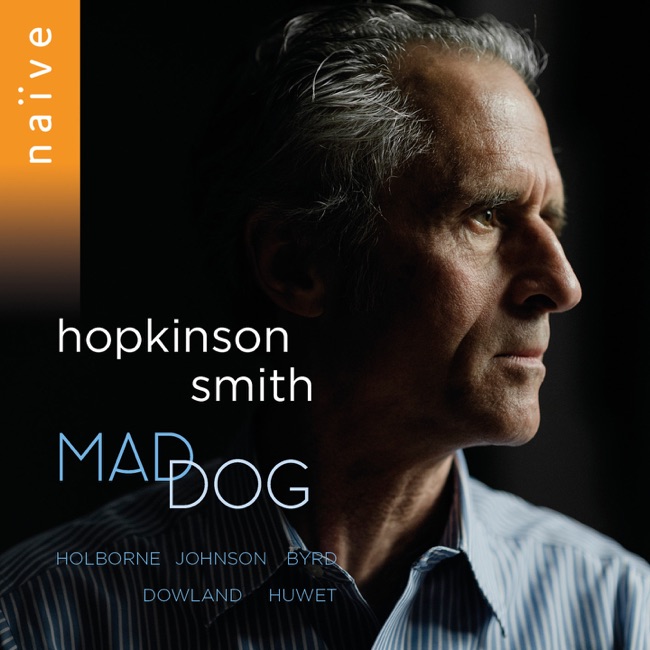 June 16, 2017
 -
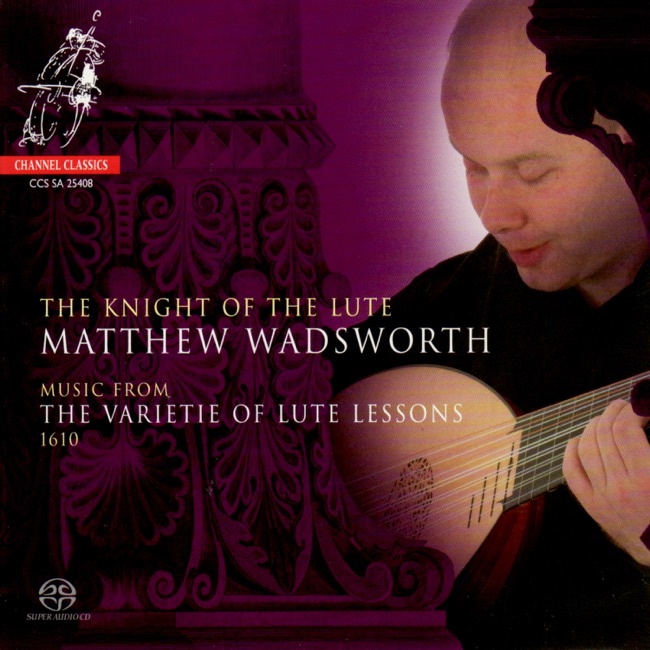 March 10, 2009
 -
Artist Info
Role:ComposerGregory Huwet was a renowned classical music composer who was born on May 12, 1950, in London, England. He was the youngest of three children born to a family of musicians. His father was a pianist, and his mother was a violinist. From a young age, Huwet was exposed to classical music and began playing the piano at the age of four. Huwet's parents recognized his talent and enrolled him in the Royal Academy of Music in London when he was just six years old. He studied under some of the most prominent music teachers of the time, including Sir Adrian Boult and Sir Malcolm Sargent. Huwet's talent was evident from an early age, and he quickly became known for his ability to compose complex and beautiful pieces of music. Huwet's early compositions were heavily influenced by the works of Bach, Mozart, and Beethoven. He was particularly drawn to the intricate harmonies and counterpoint of Bach's music, and he spent many hours studying and analyzing Bach's compositions. Huwet's early works were characterized by their complexity and technical virtuosity, and they quickly gained him a reputation as a prodigy. In 1968, Huwet was awarded a scholarship to study at the Juilliard School in New York City. He spent the next four years studying under some of the most prominent composers of the time, including Elliott Carter and Milton Babbitt. Huwet's time at Juilliard was a formative period in his career, and he began to develop his own unique style of composition. Huwet's compositions from this period were characterized by their use of complex rhythms and harmonies. He was particularly interested in exploring the possibilities of serialism and atonality, and his works often featured intricate and dissonant melodies. Despite their complexity, Huwet's compositions were always grounded in a deep understanding of classical music theory, and they were widely regarded as some of the most innovative and exciting works of the time. Huwet's breakthrough came in 1972 when he composed his first symphony. The piece was a massive success, and it quickly established Huwet as one of the most important composers of his generation. The symphony was characterized by its use of complex rhythms and harmonies, and it featured a stunning finale that showcased Huwet's technical virtuosity. Over the next few years, Huwet continued to compose a series of groundbreaking works. In 1974, he composed his second symphony, which was even more complex and innovative than his first. The piece featured a series of intricate and dissonant melodies, and it was widely regarded as one of the most challenging works of the time. In 1976, Huwet composed his first opera, "The Tempest." The piece was based on Shakespeare's play of the same name, and it was characterized by its use of complex vocal harmonies and intricate orchestration. The opera was a massive success, and it established Huwet as one of the most important opera composers of his generation. Throughout the 1980s and 1990s, Huwet continued to compose a series of groundbreaking works. He was particularly interested in exploring the possibilities of electronic music, and he began to incorporate electronic elements into his compositions. His works from this period were characterized by their use of complex rhythms and harmonies, and they often featured stunningly beautiful melodies.More....
Recent Artist Music
Copyright Ⓒ 2013 Davinci Finger. All rights reseved
Service Terms & Policy