


François Georges Auguste Dauvernè
Released Album
Chamber
-
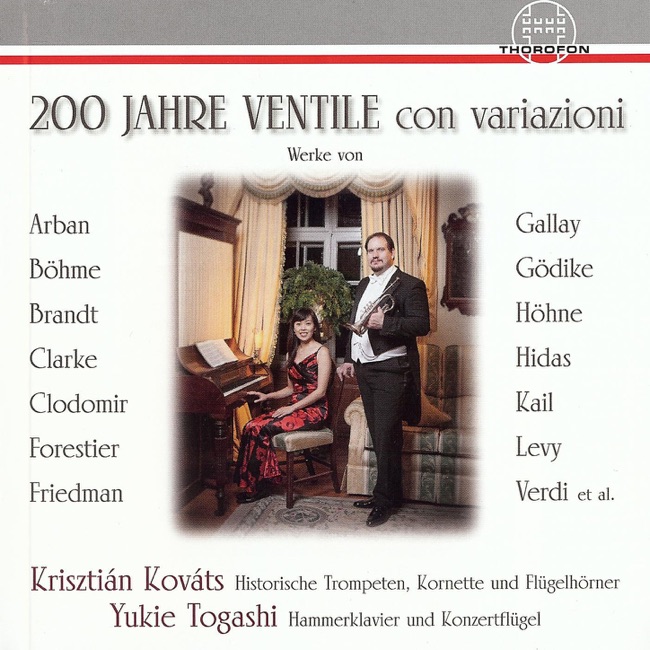 September 11, 2015
 -
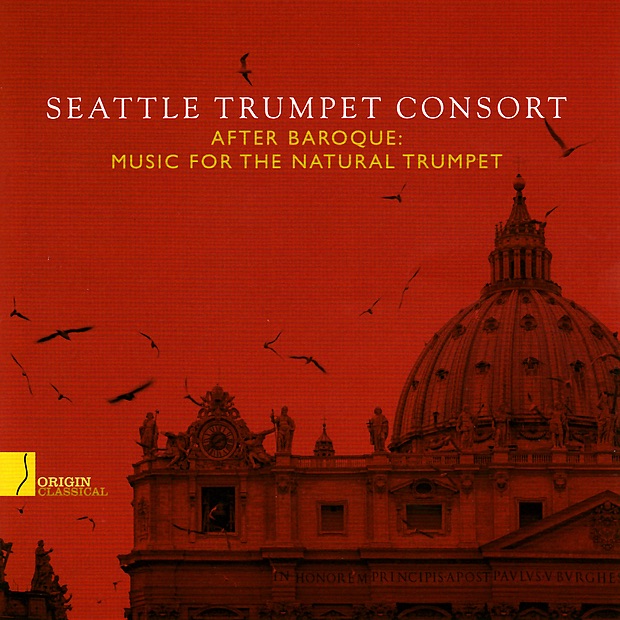 May 20, 2008
Artist Info
Role:ComposerFrançois Georges Auguste Dauvernè was a French composer and conductor who lived from 1799 to 1874. He was born in Paris, France, and showed an early interest in music. His father was a musician, and Dauvernè began studying the violin at a young age. He later studied composition with Luigi Cherubini, a prominent Italian composer who lived in Paris. Dauvernè's early career was focused on conducting. He served as the conductor of the Théâtre de l'Odéon in Paris from 1828 to 1831, and then as the conductor of the Théâtre-Italien from 1831 to 1836. During this time, he also composed music for the stage, including operas, ballets, and incidental music for plays. One of Dauvernè's most successful works from this period was his opera La Fiancée du Roi de Garbe, which premiered at the Théâtre-Italien in 1831. The opera was well-received and was performed throughout Europe. Dauvernè also composed several ballets, including La Sylphide, which was choreographed by Filippo Taglioni and premiered at the Paris Opera in 1832. In 1836, Dauvernè left Paris to become the conductor of the Royal Opera in Stockholm, Sweden. He remained in this position for six years, during which time he composed several works for the Swedish court, including a coronation march for King Oscar I. After leaving Stockholm, Dauvernè returned to Paris and continued to compose music for the stage. He also became involved in the musical life of the city, serving as the president of the Société des Concerts du Conservatoire from 1852 to 1854. During this time, he conducted several concerts featuring the music of his contemporaries, including Hector Berlioz and Franz Liszt. Dauvernè's later works were primarily instrumental music, including symphonies, chamber music, and piano pieces. One of his most notable works from this period was his Symphony No. 3 in C minor, which was premiered in Paris in 1861. The symphony was well-received and was performed throughout Europe. Dauvernè's music is characterized by its melodic and harmonic richness, as well as its use of orchestral color. He was influenced by the music of his contemporaries, including Berlioz and Liszt, as well as the classical composers of the past, such as Mozart and Beethoven. Despite his success as a composer and conductor, Dauvernè's personal life was marked by tragedy. He lost his wife and two of his children to illness, and he suffered from financial difficulties throughout his life. He died in Paris in 1874, at the age of 75. Today, Dauvernè is remembered primarily for his contributions to the French musical tradition of the 19th century. His music is still performed and recorded, and he is recognized as an important figure in the development of French classical music.More....
Recent Artist Music
2
Study for trumpet & piano No. 19 (from 'Méthode pour la trompette')
19me Étude aus Méthode pour la trompette
5:28
Copyright Ⓒ 2013 Davinci Finger. All rights reseved
Service Terms & Policy