


Codex Faenza Anonymous
Released Album
Keyboard
-
 January 21, 2022
 -
 July 9, 2021
 -
 February 3, 2017
 -
 October 24, 2006
 -
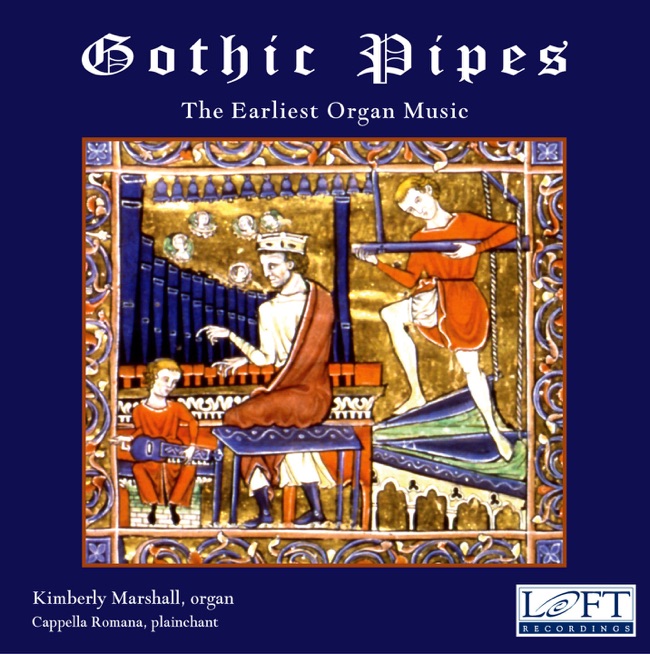 March 23, 2004
Vocal
-
 September 9, 2008
 -
Chamber
-
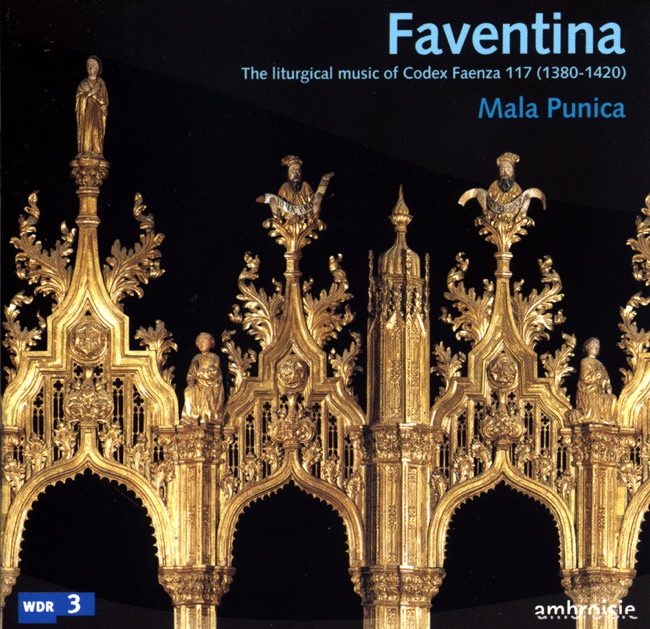 November 20, 2007
Artist Info
Role:ComposerGenre:ChamberKeyboardVocalCodex Faenza Anonymous is a mysterious figure in the world of classical music, known only by the collection of works that bear their name. The Codex Faenza is a manuscript of music from the early 15th century, containing a wide variety of vocal and instrumental pieces. While the identity of the composer or composers behind the Codex Faenza remains unknown, the music contained within it is a testament to the skill and creativity of its creators. Little is known about the birth and upbringing of Codex Faenza Anonymous, but it is clear that they were part of a vibrant musical culture in the early 15th century. The Codex Faenza itself was likely created in the city of Faenza, Italy, which was a center of musical activity at the time. The manuscript contains a mix of sacred and secular music, including motets, ballatas, and instrumental pieces. Many of the works are anonymous, but some are attributed to well-known composers of the time, such as Francesco Landini and Jacopo da Bologna. One of the highlights of the Codex Faenza is its collection of instrumental music. The manuscript contains a number of pieces for various combinations of instruments, including recorders, viols, and percussion. These works showcase the virtuosity of the performers and the creativity of the composers. One particularly notable piece is the "Saltarello," a lively dance in triple meter that features a catchy melody and intricate rhythms. Another standout is the "Trotto," a fast-paced dance in duple meter that is characterized by its driving rhythm and lively melody. In addition to its instrumental music, the Codex Faenza contains a wealth of vocal music. Many of the works are sacred in nature, including hymns, antiphons, and Mass movements. These pieces demonstrate the composers' skill in setting Latin texts to music, with intricate polyphony and expressive harmonies. One particularly beautiful example is the "Ave Maria," a four-part motet that features soaring melodies and rich harmonies. Another standout is the "Gloria," a Mass movement that showcases the composers' skill in creating complex polyphonic textures. The Codex Faenza also contains a number of secular vocal works, including ballatas and madrigals. These pieces are characterized by their catchy melodies and lively rhythms, and often feature texts in Italian. One particularly charming example is the ballata "Non sofre Santa Maria," which tells the story of a young woman who falls in love with a knight. The piece features a lively dance rhythm and a catchy refrain that is sure to get stuck in your head. Despite the anonymity of its composer(s), the Codex Faenza remains an important document of early Renaissance music. Its collection of instrumental and vocal works showcases the creativity and skill of the composers of the time, and provides a window into the musical culture of 15th-century Italy. While we may never know the identity of Codex Faenza Anonymous, their music lives on as a testament to their talent and creativity.More....
Recent Artist Music
3
3:26

9
1:33
10
7:35
11
1:38
12
49
Copyright Ⓒ 2013 Davinci Finger. All rights reseved
Service Terms & Policy