


Felix Werder
Released Album
Chamber
-
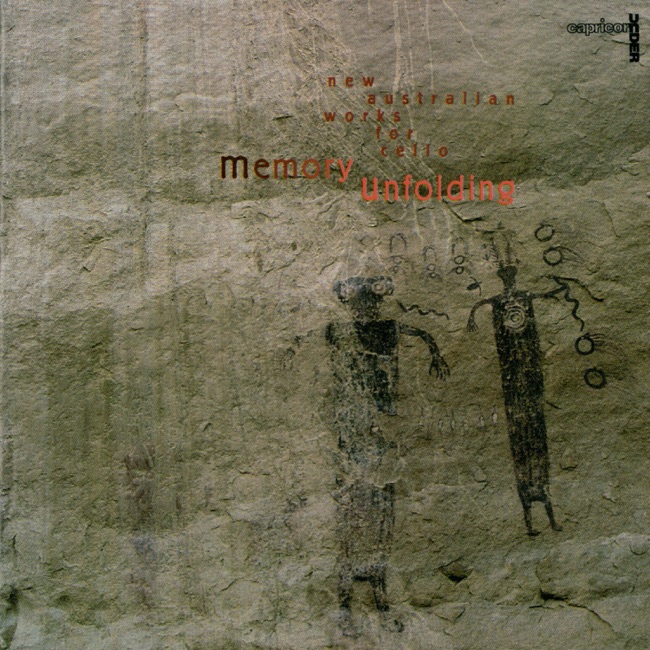 January 17, 2018
 -
 July 1, 2014
 -
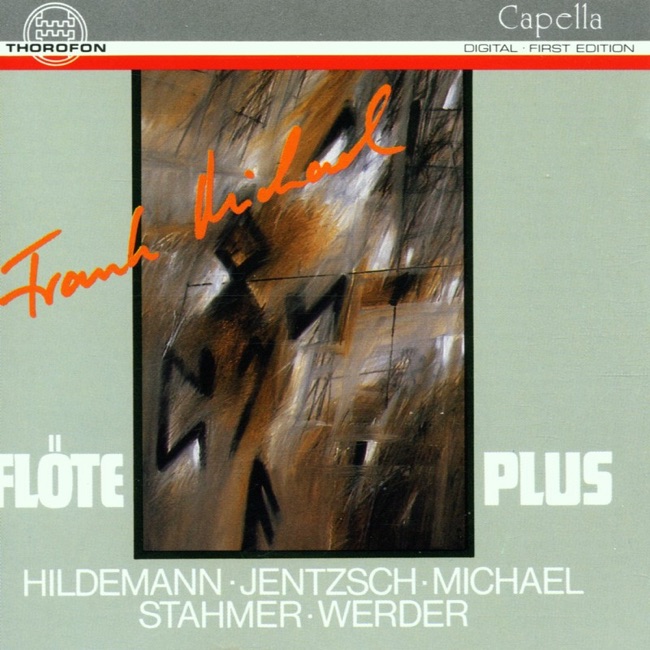 November 15, 2008
 -
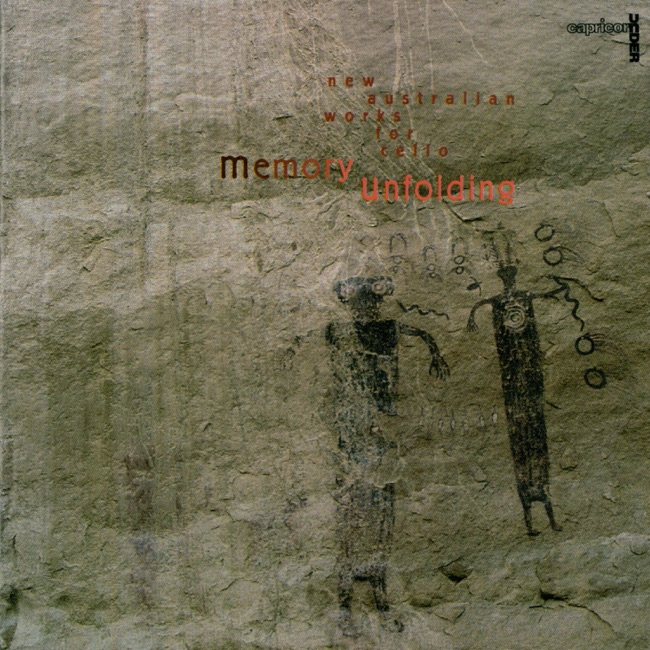 February 4, 2000
Keyboard
-
 July 8, 2008
 -
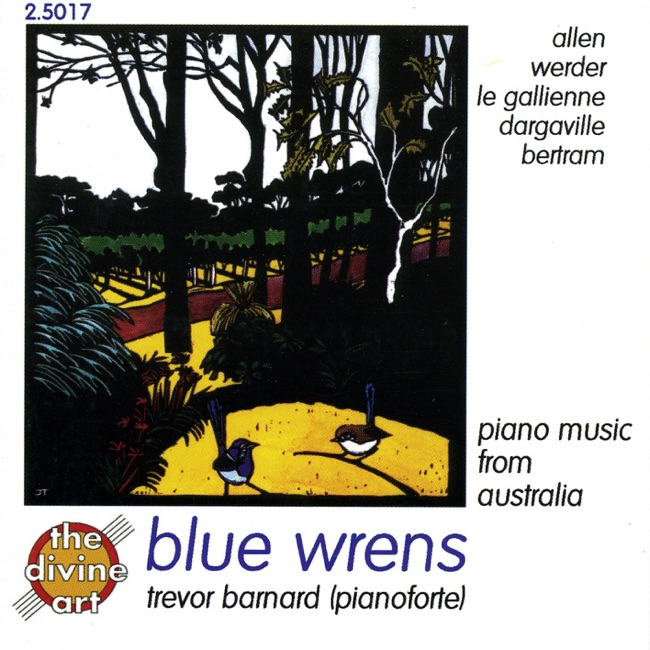 November 30, 2004
 -
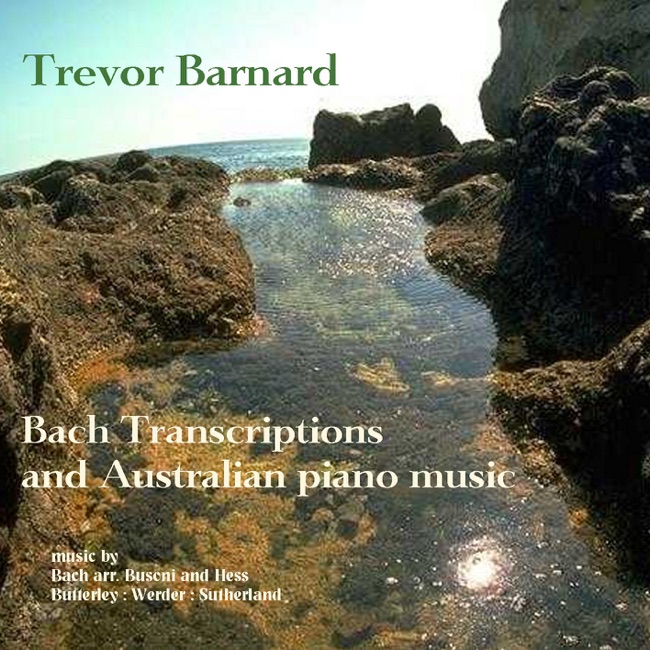 August 21, 2001
Artist Info
Role:ComposerCountry: GermanyBirth:February 22, 1922 in Berlin, GermanyDeath:May 3, 2012Period:ContemporaryGenre:KeyboardFelix Werder was a prominent Australian composer of classical music, known for his experimental and avant-garde style. He was born on September 2, 1922, in Berlin, Germany, to a family of musicians. His father, Hermann Werder, was a composer and conductor, and his mother, Gertrud Werder, was a pianist. Felix grew up in a musical environment and started playing the piano at a young age. In 1933, when the Nazi regime came to power in Germany, Felix's family fled to Switzerland. They later moved to England, where Felix continued his musical education. He studied composition with Matyas Seiber and piano with Franz Reizenstein at the Royal Academy of Music in London. In 1940, Felix and his family emigrated to Australia, where he continued his studies at the Melbourne Conservatorium of Music. Felix's early compositions were influenced by the European avant-garde movement, particularly the works of Arnold Schoenberg and Anton Webern. He was also interested in the music of non-Western cultures, such as Indian classical music and Indonesian gamelan music. In the 1950s, Felix became involved with the Melbourne-based avant-garde group, the "Argonauts," which included other prominent Australian composers such as Keith Humble and Don Banks. Felix's music was characterized by its experimental and unconventional approach. He often used graphic notation, which allowed for greater flexibility and interpretation by the performers. He also incorporated electronic and computer-generated sounds into his compositions, which was a relatively new technique at the time. One of Felix's most significant works is his "Symphony in One Movement," which he composed in 1952. The piece is scored for a large orchestra and features complex rhythms and dissonant harmonies. It was one of the first Australian compositions to use graphic notation and was considered groundbreaking at the time. Another notable work by Felix is his "Electronic Music for Two Pianos and Tape," which he composed in 1964. The piece features two pianos playing in unison with electronic sounds generated by a tape recorder. It was one of the first Australian compositions to use electronic music and was considered highly innovative. Felix's music was often controversial and polarizing. Some critics praised his experimental approach, while others found it too challenging and inaccessible. Despite this, Felix continued to push the boundaries of classical music and was a significant figure in the Australian avant-garde movement. In addition to his work as a composer, Felix was also a respected music critic and writer. He wrote for various publications, including The Age and The Australian, and was known for his insightful and thought-provoking reviews. Felix Werder passed away on August 3, 2012, at the age of 89. He left behind a significant legacy as one of Australia's most innovative and influential composers. His music continues to be performed and studied by musicians and scholars around the world, and his contributions to the avant-garde movement have had a lasting impact on the classical music world.More....
Recent Artist Music
1
1:34
3

3:
4
3:4

Copyright Ⓒ 2013 Davinci Finger. All rights reseved
Service Terms & Policy