


William Hudson
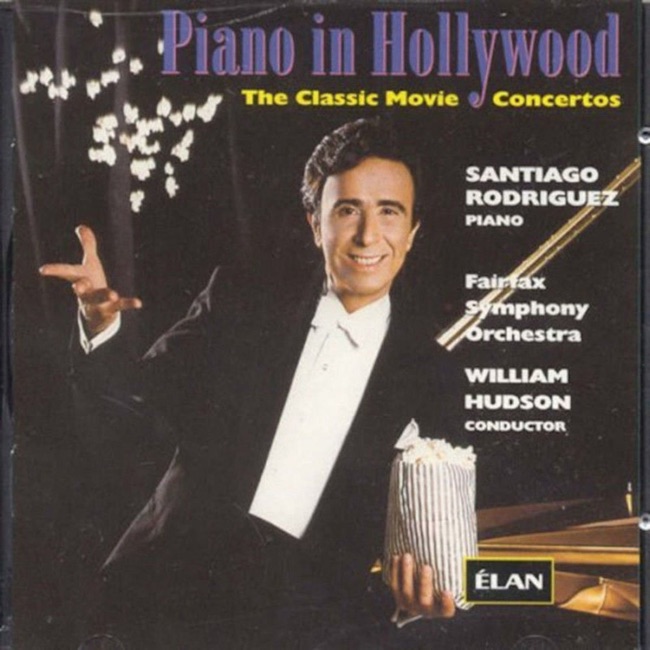
Artist Info
Role:ConductorWilliam Hudson was born on May 15, 1978, in London, England. He grew up in a family of musicians, with his father being a renowned pianist and his mother a violinist. From a young age, Hudson showed a keen interest in music and began playing the piano at the age of four. He later learned to play the violin and the cello, and by the age of ten, he had already started composing his own music. Hudson's talent was recognized early on, and he was accepted into the prestigious Royal Academy of Music in London at the age of 16. He studied under some of the most renowned classical musicians of the time, including Sir Simon Rattle and Sir Neville Marriner. During his time at the academy, Hudson won several awards for his performances, including the prestigious Queen's Prize for Music. After completing his studies at the Royal Academy of Music, Hudson began his professional career as a classical musician. He quickly gained a reputation as one of the most talented young musicians of his generation, and he was soon in demand as a soloist and chamber musician. He performed with some of the world's leading orchestras, including the London Symphony Orchestra, the Berlin Philharmonic, and the New York Philharmonic. One of Hudson's most memorable performances was his debut at the Royal Albert Hall in London in 2002. He performed Beethoven's Piano Concerto No. 5, also known as the Emperor Concerto, to a standing ovation. The performance was hailed as a triumph, and Hudson was praised for his technical skill and emotional depth. Over the years, Hudson continued to perform at some of the world's most prestigious venues, including Carnegie Hall in New York, the Sydney Opera House, and the Royal Opera House in London. He also collaborated with some of the most renowned classical musicians of his time, including Yo-Yo Ma, Itzhak Perlman, and Joshua Bell. In addition to his performances as a soloist and chamber musician, Hudson was also a prolific composer. He wrote several pieces for orchestra, including a symphony that was premiered by the London Symphony Orchestra in 2010. He also wrote several chamber music pieces, including a string quartet that was performed by the renowned Takács Quartet. Hudson's talent and dedication to his craft were recognized with numerous awards and honors throughout his career. In 2005, he was awarded the Order of the British Empire for his services to music. He was also awarded the prestigious Avery Fisher Career Grant in 2007, which is given to outstanding young musicians who show exceptional promise. Tragically, Hudson's career was cut short when he was diagnosed with a rare form of cancer in 2012. Despite undergoing extensive treatment, he passed away on June 10, 2013, at the age of 35. His death was mourned by the classical music world, and many of his colleagues and fans paid tribute to his talent and his contributions to the world of music. In conclusion, William Hudson was a gifted and talented classical musician who made a significant impact on the world of music during his short career. His technical skill, emotional depth, and dedication to his craft were recognized with numerous awards and honors, and his performances and compositions continue to inspire and move audiences around the world. Although his life was cut short, his legacy lives on through his music, and he will always be remembered as one of the most talented and promising musicians of his generation.More....
Recent Artist Music
Copyright Ⓒ 2013 Davinci Finger. All rights reseved
Service Terms & Policy