


Georg Abraham Schneider
Released Album
Chamber
-
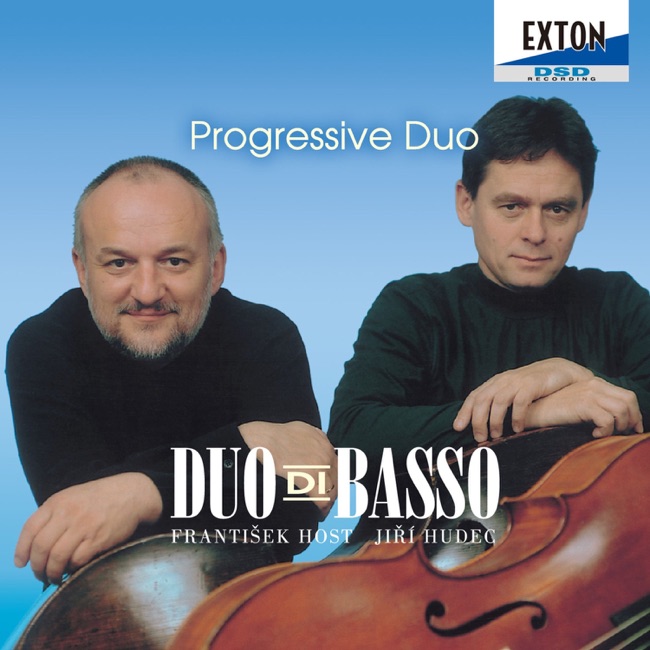 June 17, 2016
 -
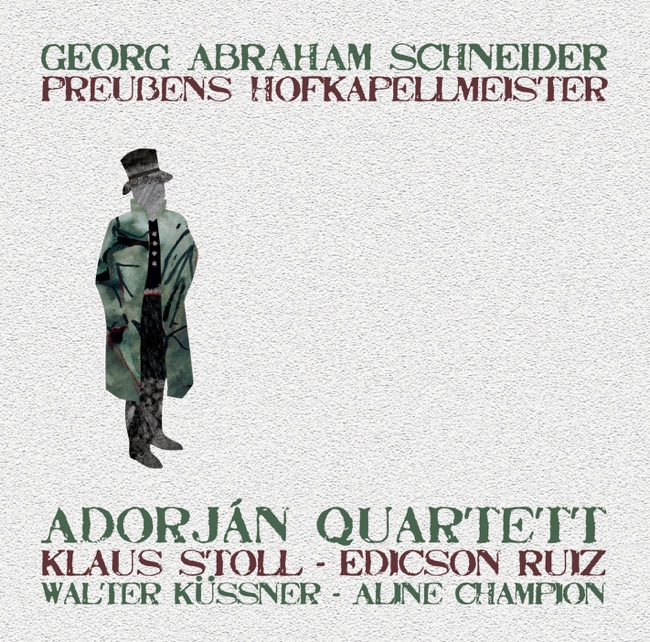 January 21, 2011
Artist Info
Role:ComposerCountry: GermanyBirth:April 19, 1770Death:January 19, 1839Period:RomanticGeorg Abraham Schneider was a German composer and conductor who lived from 1770 to 1839. He was born in the town of Lichtenau in the state of Saxony, and showed an early aptitude for music. His father was a musician and taught him the basics of music theory and composition. Schneider's talent was recognized by local musicians, and he was soon performing in public concerts. Schneider's musical education continued in Leipzig, where he studied with Johann Adam Hiller, a prominent composer and conductor. Hiller was impressed with Schneider's abilities and recommended him for a position as a music teacher in the town of Zwickau. Schneider accepted the job and spent several years teaching and composing music. In 1796, Schneider moved to Dresden, where he became the conductor of the city's opera orchestra. He held this position for over 20 years, during which time he composed a number of operas, ballets, and other works. Schneider's music was well-received by audiences and critics alike, and he became known as one of the leading composers of his time. One of Schneider's most famous works is his opera "Der Schmied von Marienburg" (The Blacksmith of Marienburg), which premiered in 1812. The opera tells the story of a blacksmith who falls in love with a noblewoman, and features a number of memorable arias and duets. "Der Schmied von Marienburg" was a huge success and was performed throughout Germany and Austria. Schneider also composed a number of instrumental works, including symphonies, chamber music, and piano pieces. His music is characterized by its lyricism and emotional depth, and is often compared to the works of Beethoven and Schubert. In addition to his work as a composer, Schneider was also a respected conductor. He was known for his ability to bring out the best in his musicians, and was admired for his clear and expressive conducting style. Schneider conducted many of his own works, as well as those of other composers. Schneider's career was not without its challenges, however. In 1817, he was accused of plagiarism by the composer Louis Spohr. Spohr claimed that Schneider had copied one of his works, and the accusation caused a scandal in the music world. Schneider vehemently denied the charge, and the matter was eventually resolved in his favor. However, the incident left a stain on his reputation and caused him considerable distress. Despite this setback, Schneider continued to compose and conduct music until his death in 1839. His legacy lives on through his music, which is still performed and admired today. Schneider's contributions to the classical music canon are significant, and his works continue to inspire and move audiences around the world.More....
Recent Artist Music
Copyright Ⓒ 2013 Davinci Finger. All rights reseved
Service Terms & Policy