


Salvador Castro de Gistau
Released Album
Chamber
-
 November 25, 2013
 -
 May 28, 2013
Vocal
-
 June 2, 2017
Artist Info
Role:ComposerBirth:1770Salvador Castro de Gistau was a Spanish composer and pianist who lived from 1909 to 1981. He was born in the city of Zaragoza, in the northeastern region of Aragon, Spain. His father was a military officer, and his mother was a pianist who gave him his first piano lessons. Salvador showed an early talent for music, and he began composing at a young age. Salvador studied music at the Conservatory of Zaragoza, where he received a solid education in music theory, composition, and piano performance. He also studied with the renowned Spanish composer Joaquín Rodrigo, who had a profound influence on his musical style. Rodrigo encouraged Salvador to explore the rich musical heritage of Spain and to incorporate elements of Spanish folk music into his compositions. Salvador's early works were influenced by the neoclassical style of composers such as Stravinsky and Hindemith. However, he soon developed his own unique style, which blended elements of neoclassicism, Spanish folk music, and modernism. His music was characterized by its rhythmic vitality, colorful harmonies, and melodic inventiveness. Salvador's first major work was his Piano Concerto No. 1, which he composed in 1935. The concerto was premiered in Zaragoza, with Salvador as the soloist. The work was well received, and it established Salvador as a promising young composer. During the Spanish Civil War, Salvador served in the Republican Army as a musician. He played the piano in hospitals and other venues to boost the morale of the soldiers. After the war, he settled in Madrid, where he continued to compose and perform. Salvador's most famous work is his Suite Española, which he composed in 1948. The suite consists of six movements, each of which is based on a different Spanish folk dance. The suite is a colorful and vibrant tribute to the rich musical heritage of Spain, and it has become a staple of the classical guitar repertoire. Salvador also composed several other works for guitar, including his Sonata for Guitar, which he dedicated to the Spanish guitarist Andrés Segovia. The sonata is a virtuosic work that showcases the guitar's expressive capabilities. In addition to his works for guitar, Salvador composed several orchestral works, including his Symphony No. 1, which he composed in 1952. The symphony is a powerful and dramatic work that reflects the turbulent times in which it was composed. Salvador's music was well received in Spain, and he was recognized as one of the country's leading composers. However, his music was not as well known outside of Spain, and he did not receive the international recognition that he deserved. Salvador continued to compose and perform until his death in 1981. His music remains an important part of the Spanish classical music tradition, and his works continue to be performed and recorded by musicians around the world. In conclusion, Salvador Castro de Gistau was a talented and innovative composer who made significant contributions to the classical music tradition in Spain. His music blended elements of neoclassicism, Spanish folk music, and modernism, and it was characterized by its rhythmic vitality, colorful harmonies, and melodic inventiveness. His most famous work, the Suite Española, is a vibrant tribute to the rich musical heritage of Spain, and it has become a staple of the classical guitar repertoire.More....
Recent Artist Music
1
5:51
2
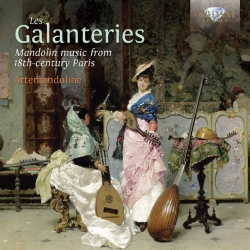
Minuet afandangado: Andante with variations & continuo
Minuetto afandangado: Andante con variazioni
8:28
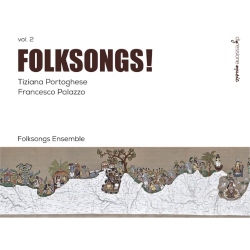
Copyright Ⓒ 2013 Davinci Finger. All rights reseved
Service Terms & Policy