


Philipp Jarnach
Released Album
Keyboard
-
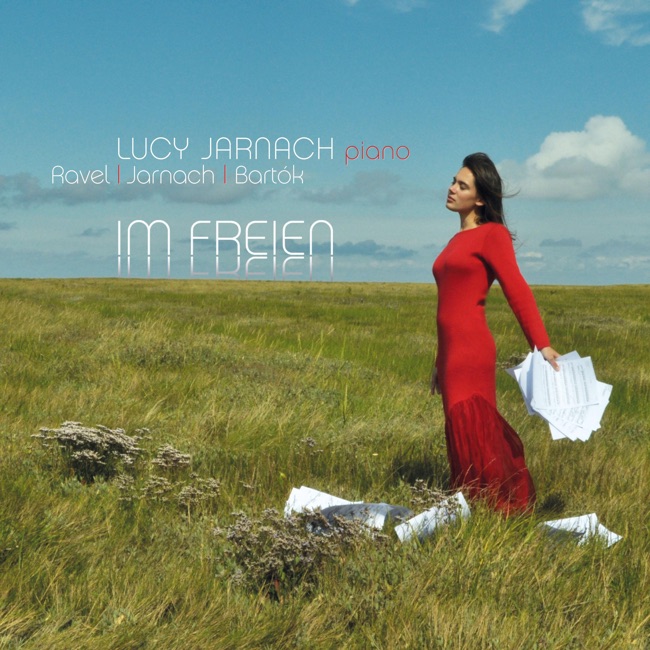 April 9, 2013
 -
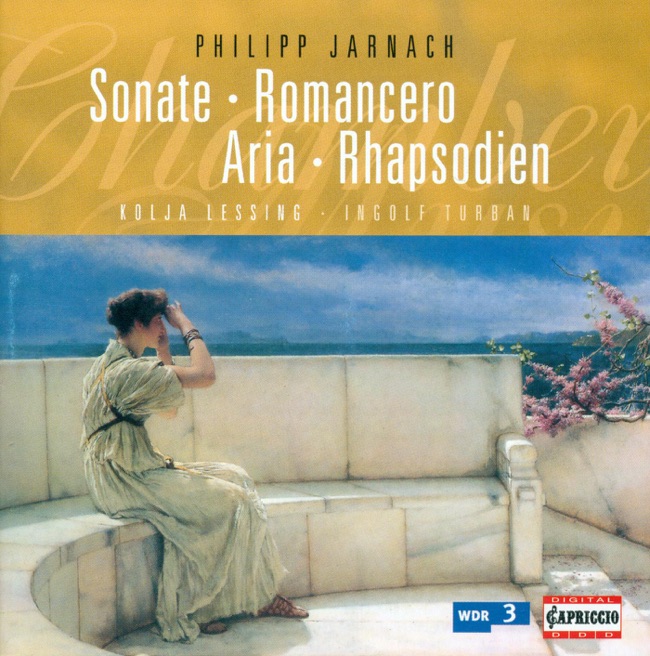 January 1, 2007
Chamber
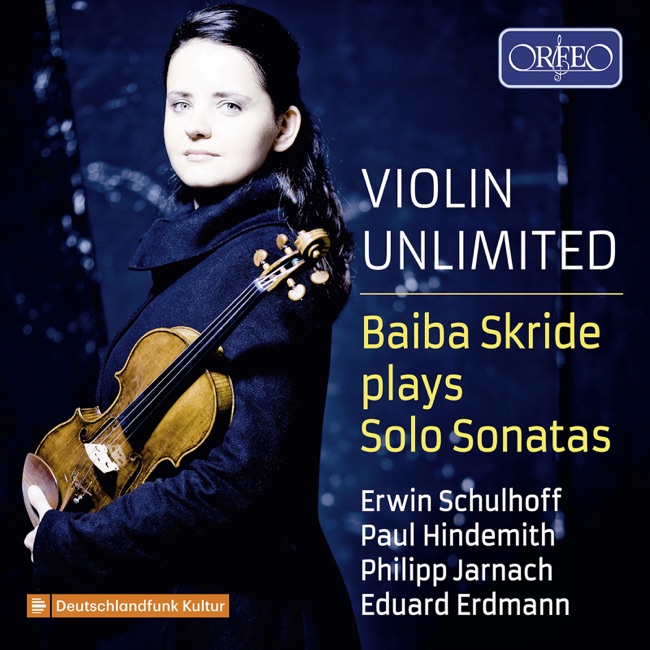
Vocal
-
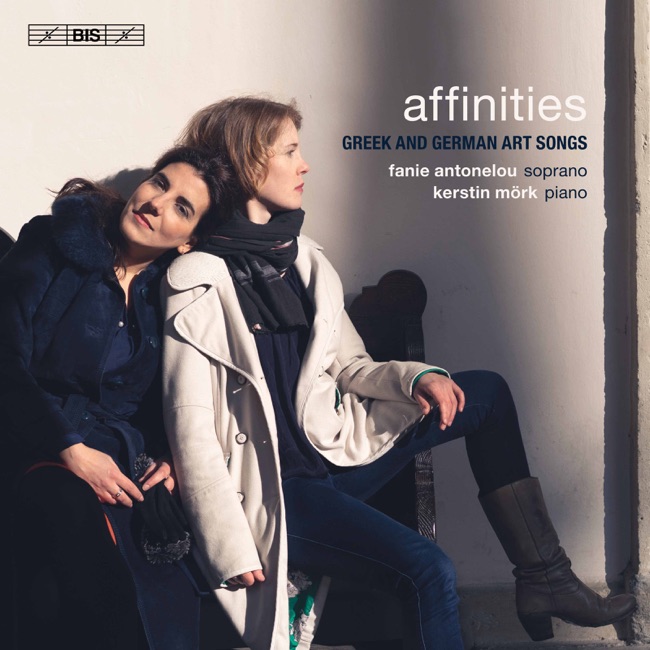 October 4, 2019
 -
 January 1, 2000
Symphony
Artist Info
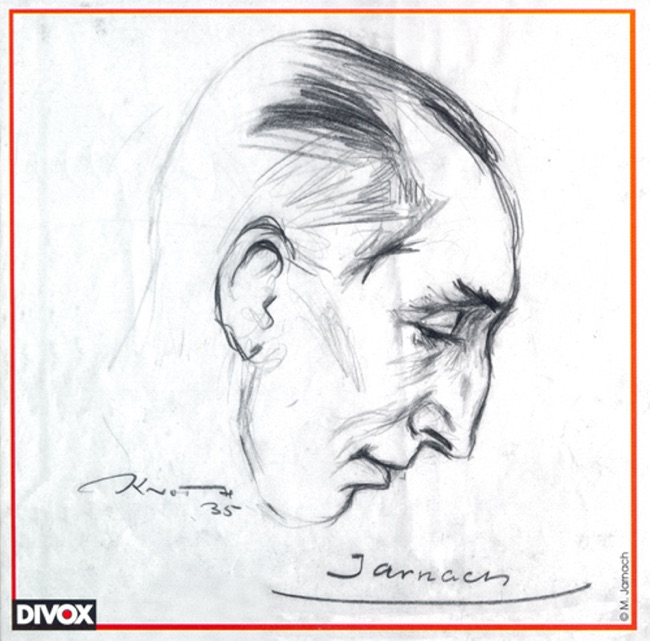
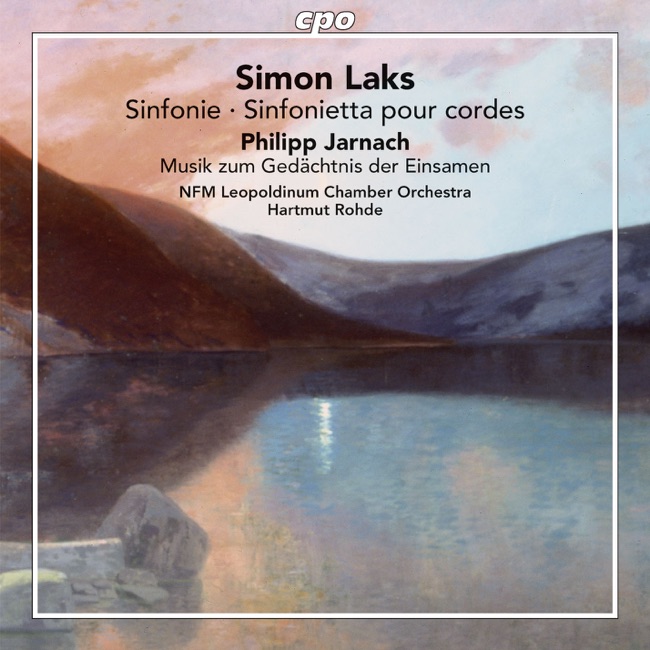
Role:ComposerBirth:July 26, 1892 in Noisy-le-Sec, FranceDeath:December 17, 1982Period:ModernGenre:ChamberKeyboardVocalPhilipp Jarnach was a German composer and pianist who was born on September 26, 1892, in Noisy-le-Sec, France. He was the son of a German father and a French mother. Jarnach's family moved to Germany when he was still a child, and he grew up in the city of Düsseldorf. His father was a music lover and encouraged his son's interest in music from an early age. Jarnach began his musical studies at the age of six, learning to play the piano and the violin. He showed great talent as a pianist and composer, and by the age of 14, he had already composed several works for piano and chamber ensembles. In 1908, Jarnach entered the Hochschule für Musik in Berlin, where he studied composition with Max Bruch and piano with Ernst Rudorff. After completing his studies in Berlin, Jarnach moved to Munich, where he became a member of the Neue Musikgesellschaft, a group of young composers who were interested in exploring new musical styles and techniques. Jarnach's early works were influenced by the music of Richard Strauss and Gustav Mahler, but he soon developed his own unique style, which was characterized by a blend of traditional and modern elements. In 1914, Jarnach was drafted into the German army and served as a musician in the military band. He was wounded in action and spent several months in a military hospital. After the war, Jarnach returned to Munich and resumed his musical career. He became a member of the Munich School, a group of composers who were associated with the Neue Musikgesellschaft and who were interested in exploring new musical forms and techniques. Jarnach's most famous work is his opera "Schott," which he composed in 1921. The opera is based on the life of the German poet and philosopher Friedrich Schiller and is considered to be one of the most important works of German opera in the 20th century. "Schott" was premiered in Frankfurt in 1922 and was a great success. It was later performed in Berlin, Vienna, and other major European cities. Jarnach's other notable works include his Piano Concerto, which he composed in 1926, and his Symphony No. 1, which he composed in 1930. Both works are characterized by Jarnach's unique blend of traditional and modern elements and are considered to be important contributions to the repertoire of 20th-century classical music. In addition to his work as a composer, Jarnach was also a respected pianist and conductor. He performed extensively throughout Europe and was known for his interpretations of the works of Beethoven, Brahms, and other classical composers. He also conducted several premieres of his own works, including the premiere of his Symphony No. 1 in Berlin in 1930. Jarnach's career was interrupted by the rise of the Nazi regime in Germany. He was forced to leave his position as a professor at the Hochschule für Musik in Berlin and was banned from performing and composing. Jarnach fled to Switzerland in 1933 and later emigrated to the United States, where he taught at the New School for Social Research in New York City. Jarnach continued to compose during his exile in the United States, but his output was limited. He composed several works for piano and chamber ensembles, as well as a few orchestral works. Jarnach returned to Germany in 1951 and resumed his career as a composer and pianist. He died on March 15, 1982, in Heidelberg, Germany, at the age of 89.More....
Recent Artist Music
2
5:12
5
14:34
6
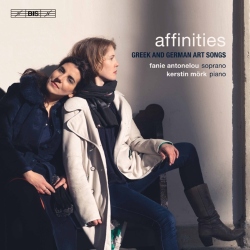
Songs (5) for voice & piano, Op. 15
No. 2 Aus Des Knaben Wunderhorn (Ich hört ein Sichlein rauschen)
2:31
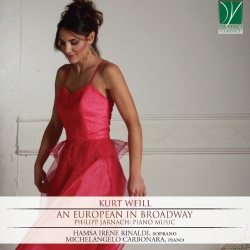
Copyright Ⓒ 2013 Davinci Finger. All rights reseved
Service Terms & Policy