


Paul Archbold
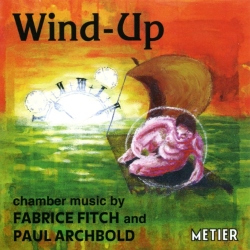
Released Album
Chamber
-
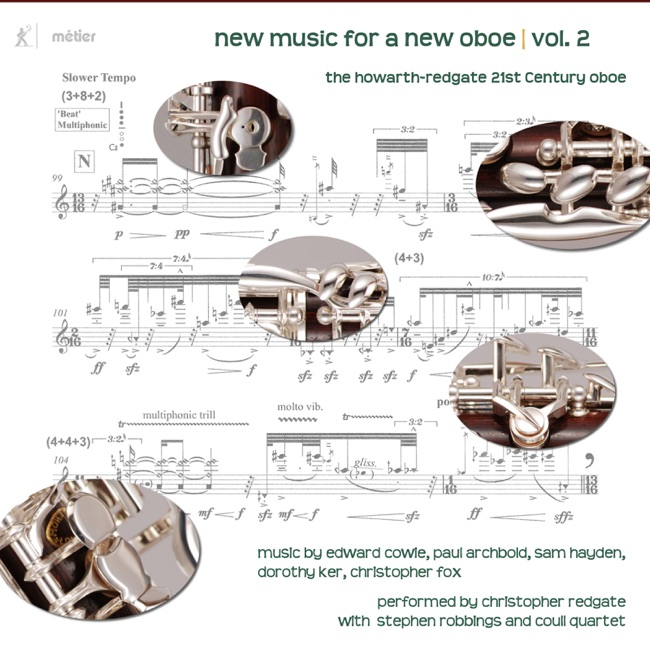 July 20, 2018
 -
 January 13, 2009
 -
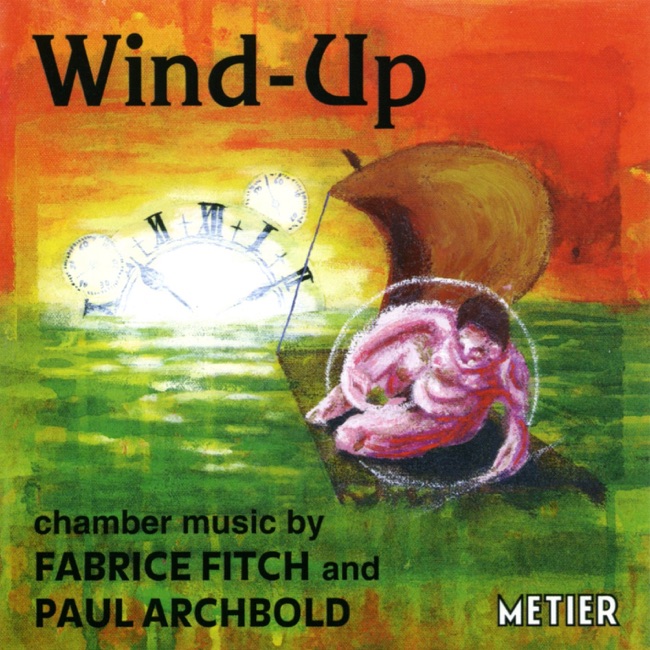 January 23, 2001
Keyboard
-
 March 26, 2007
Artist Info
Role:Composer PerformerBirth:1964Period:ContemporaryGenre:ChamberKeyboardPaul Archbold was a British composer who was born on May 22, 1960, in London, England. He grew up in a family of musicians, with his father being a professional violinist and his mother a pianist. Archbold began playing the piano at a young age and showed a natural talent for music. He later went on to study composition at the Royal Academy of Music in London, where he was mentored by renowned composers such as Harrison Birtwistle and Peter Maxwell Davies. Archbold's early works were heavily influenced by the avant-garde music of the 20th century, particularly the works of composers such as Arnold Schoenberg and Igor Stravinsky. His compositions were characterized by their complex rhythms, dissonant harmonies, and unconventional instrumentation. Archbold's early works include "String Quartet No. 1" (1983) and "Piano Sonata No. 1" (1985), which were both well-received by critics and established him as a promising young composer. In the late 1980s, Archbold began to experiment with incorporating electronic music into his compositions. He was particularly interested in the possibilities of using computer-generated sounds and digital processing to create new and innovative sounds. This led to the creation of works such as "Electronic Study No. 1" (1988) and "Digital Dreams" (1990), which were among the first works of their kind to be performed in concert halls. Throughout the 1990s, Archbold continued to explore new musical territories, incorporating elements of jazz, world music, and popular music into his compositions. He also began to collaborate with other artists, including choreographers, visual artists, and filmmakers, to create multimedia works that combined music with other art forms. Some of his most notable works from this period include "Concerto for Saxophone and Orchestra" (1992), "The Garden of Earthly Delights" (1995), and "The Four Elements" (1998). In the early 2000s, Archbold's music took on a more introspective and contemplative tone. He began to focus on creating works that explored the inner workings of the human mind and emotions. This led to the creation of works such as "Meditations on a Theme by John Cage" (2001) and "The Inner Life of Trees" (2004), which were characterized by their delicate textures, subtle harmonies, and introspective melodies. Archbold's later works were also marked by a renewed interest in traditional forms and structures. He began to incorporate elements of classical music into his compositions, while still retaining his signature avant-garde style. This led to the creation of works such as "Symphony No. 1" (2008) and "Concerto for Violin and Orchestra" (2012), which were both well-received by audiences and critics alike. Throughout his career, Archbold was known for his innovative approach to composition and his willingness to experiment with new musical forms and techniques. He was also a dedicated teacher and mentor, and he inspired many young composers to follow in his footsteps. Archbold passed away on January 28, 2018, at the age of 57, leaving behind a legacy of groundbreaking music that continues to inspire and challenge audiences today.More....
Copyright Ⓒ 2013 Davinci Finger. All rights reseved
Service Terms & Policy