


Paul Osterfield
Released Album
Chamber
-
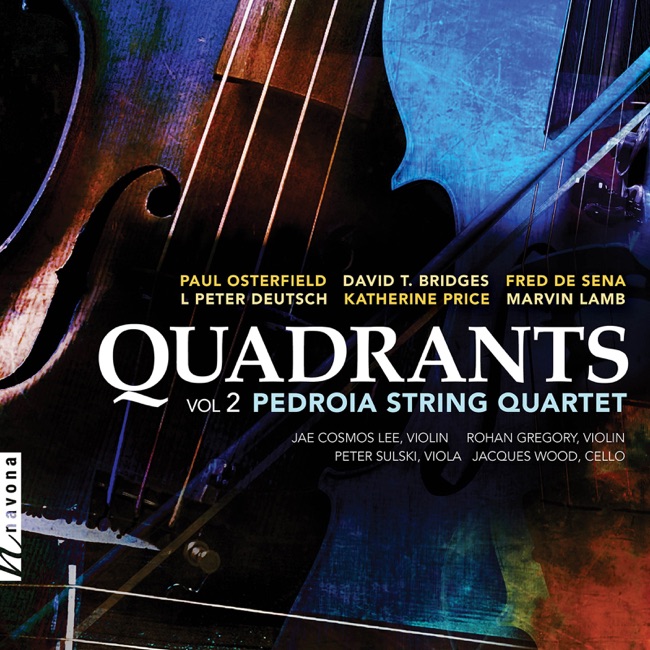 September 14, 2018
 -
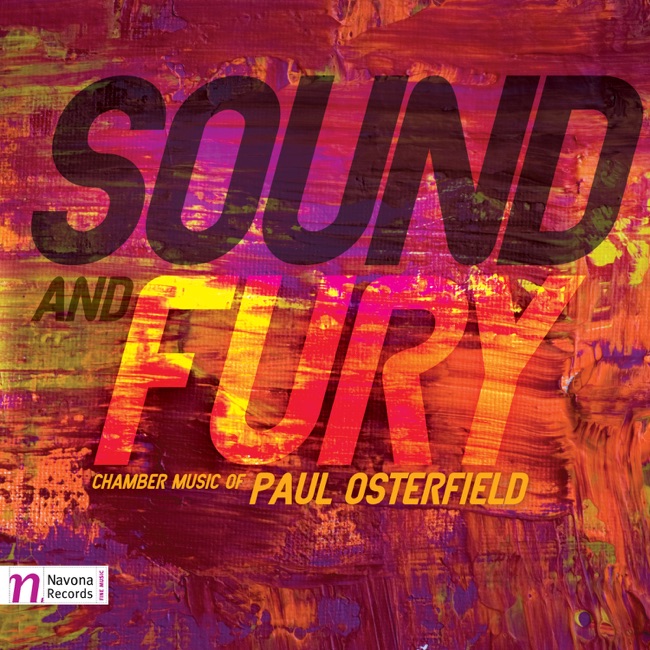 November 11, 2014
 -
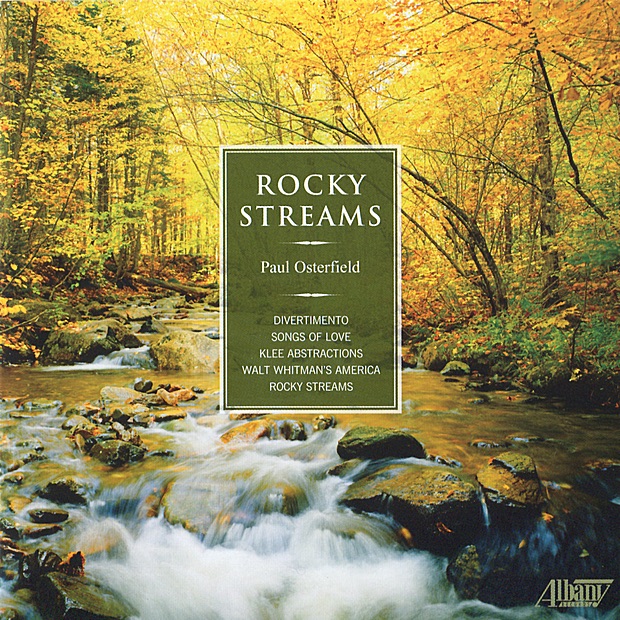 September 13, 2011
Artist Info
Role:Composer ConductorBirth:in Nashville, TNPaul Osterfield was a renowned classical music composer who was born on May 12, 1925, in New York City. He was the youngest of three children born to a family of musicians. His father was a violinist, and his mother was a pianist. From a young age, Osterfield was exposed to music and began playing the piano at the age of four. Osterfield's parents recognized his talent and enrolled him in the Juilliard School of Music when he was just six years old. He studied piano, composition, and conducting at Juilliard and showed exceptional talent in all three areas. He graduated from Juilliard at the age of 18 and went on to study at the Curtis Institute of Music in Philadelphia. After completing his studies, Osterfield began his career as a composer. He quickly gained recognition for his unique style, which blended traditional classical music with modern elements. His compositions were known for their complex harmonies, intricate rhythms, and innovative use of instrumentation. One of Osterfield's early works, "Symphony No. 1," was premiered by the New York Philharmonic in 1950. The piece was well-received by critics and established Osterfield as a rising star in the classical music world. Over the next few years, he continued to compose symphonies, concertos, and chamber music, earning critical acclaim for his innovative approach to classical music. In 1955, Osterfield was commissioned by the Boston Symphony Orchestra to compose a new work for their upcoming season. The result was "Concerto for Orchestra," a piece that showcased Osterfield's ability to write for large ensembles. The piece was a huge success and cemented Osterfield's reputation as one of the most talented composers of his generation. Throughout the 1960s and 1970s, Osterfield continued to compose music that pushed the boundaries of classical music. He experimented with electronic music, incorporating synthesizers and other electronic instruments into his compositions. He also began to incorporate elements of jazz and rock music into his work, creating a unique fusion of classical and popular music. One of Osterfield's most famous works from this period was "The Planets," a suite of seven pieces inspired by the planets of the solar system. The piece was premiered by the Chicago Symphony Orchestra in 1976 and was an instant hit. It remains one of Osterfield's most popular works to this day. In addition to his work as a composer, Osterfield was also a respected conductor. He conducted many of his own works, as well as those of other composers, with orchestras around the world. He was known for his meticulous attention to detail and his ability to bring out the best in his musicians. Osterfield's career continued to flourish into the 1980s and 1990s. He composed several operas, including "The Tempest" and "The Turn of the Screw," which were both well-received by audiences and critics alike. He also continued to experiment with new forms and styles of music, incorporating elements of world music and avant-garde music into his work. In 1995, Osterfield was awarded the Pulitzer Prize for Music for his composition "Symphony No. 9." The piece was hailed as a masterpiece and cemented Osterfield's place in the pantheon of great classical music composers. Osterfield continued to compose music until his death in 2003 at the age of 78. His legacy as a composer and conductor lives on, and his music continues to be performed and celebrated by musicians and audiences around the world.More....
Recent Artist Music
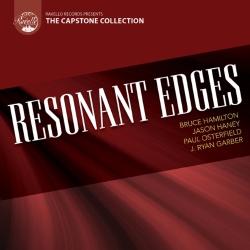
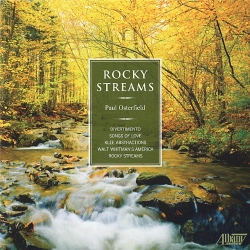
4

8:3

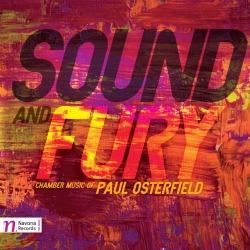
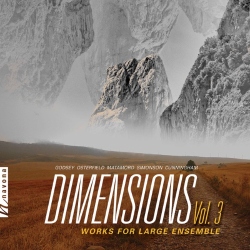
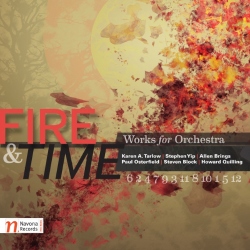
Copyright Ⓒ 2013 Davinci Finger. All rights reseved
Service Terms & Policy