


Israel Schorr
Released Album
Miscellaneous
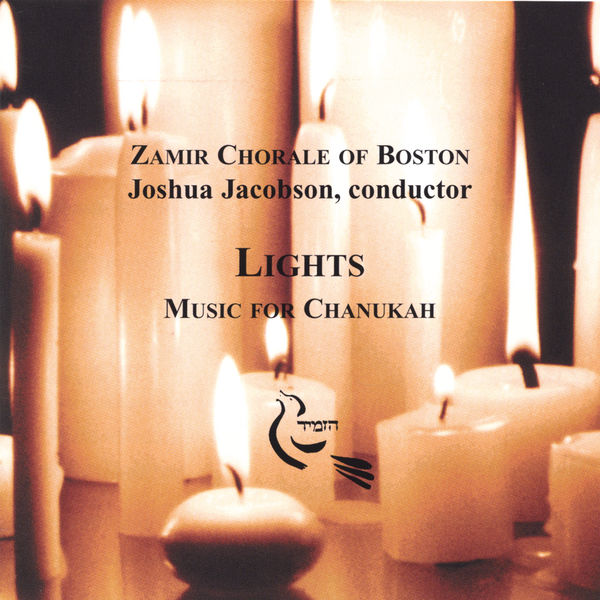
Vocal
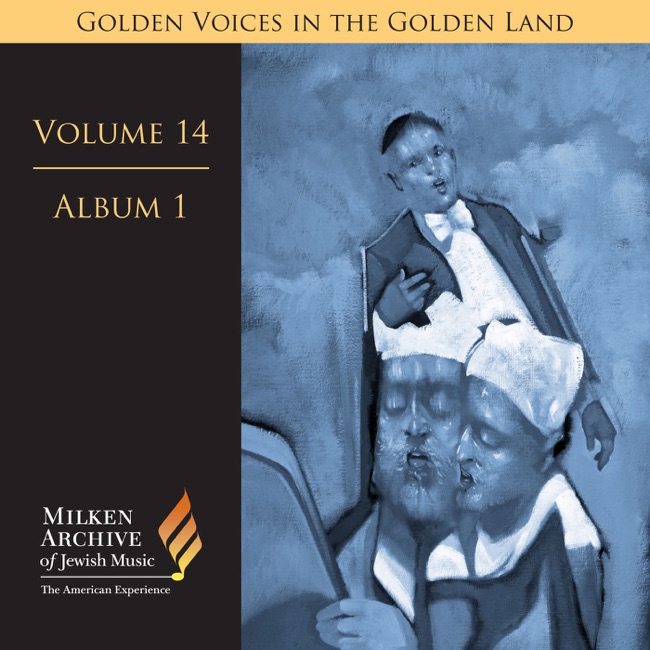
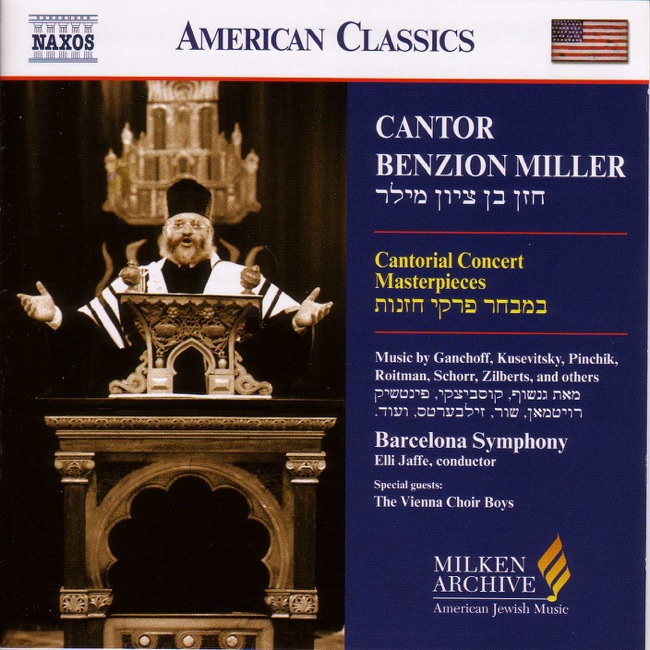
Artist Info
Role:ComposerBirth:1886 in Khyrov, GaliciaDeath:1935Israel Schorr was a prominent classical music composer of the 20th century. Born on December 25, 1880, in the city of Lemberg, which is now known as Lviv, Ukraine, Schorr was the son of a cantor and grew up in a musical family. His father, Abraham Schorr, was a well-known cantor in the Jewish community, and his mother, Sarah Schorr, was a pianist. Schorr's early exposure to music and his family's musical background played a significant role in shaping his musical career. Schorr began his musical education at a young age, studying piano and violin with his mother. He later studied composition with the renowned composer and conductor, Carl Flesch, in Berlin. Schorr's early compositions were influenced by the Romantic style of music, which was popular at the time. However, he later developed his own unique style, which was characterized by a blend of traditional and modern elements. Schorr's career as a composer began in the early 1900s when he started to gain recognition for his works. In 1904, he won the prestigious Mendelssohn Prize for his composition, "Symphony in C Minor." This was a significant achievement for Schorr, as the Mendelssohn Prize was one of the most highly regarded awards for young composers in Europe at the time. Throughout his career, Schorr composed a wide range of works, including symphonies, concertos, chamber music, and operas. His compositions were known for their emotional depth, technical complexity, and innovative use of harmony and melody. Some of his most notable works include his Symphony No. 1 in D Major, his Piano Concerto in A Minor, and his opera, "The Dybbuk." Schorr's Symphony No. 1 in D Major, which was composed in 1910, is considered one of his most significant works. The symphony is characterized by its lush orchestration, soaring melodies, and dramatic contrasts. It was well-received by audiences and critics alike and helped establish Schorr as a leading composer of his time. Another notable work by Schorr is his Piano Concerto in A Minor, which was composed in 1922. The concerto is known for its virtuosic piano writing, intricate orchestration, and expressive melodies. It has been performed by many renowned pianists over the years and is considered one of Schorr's most popular works. Schorr's opera, "The Dybbuk," is based on a play by S. Ansky and was composed in 1934. The opera tells the story of a young bridegroom who becomes possessed by the spirit of his dead lover. The work is characterized by its haunting melodies, rich harmonies, and dramatic intensity. It has been performed by many opera companies around the world and is considered one of Schorr's most significant contributions to the genre. In addition to his work as a composer, Schorr was also a respected music educator. He taught at the Berlin Conservatory and later at the Jerusalem Academy of Music and Dance. He was known for his rigorous teaching style and his commitment to developing the next generation of musicians. Schorr's career as a composer came to an abrupt end with the rise of the Nazi regime in Germany. As a Jew, Schorr was forced to flee Germany in 1933 and eventually settled in Palestine. He continued to compose during his time in Palestine but was unable to achieve the same level of success that he had in Europe. Israel Schorr died on December 7, 1944, in Jerusalem, at the age of 63. Despite his relatively short career, Schorr left a lasting legacy in the world of classical music.More....
Recent Artist Music
3
9:2
6
9:5
Copyright Ⓒ 2013 Davinci Finger. All rights reseved
Service Terms & Policy