


Margaret Griebling-Haigh
Released Album
Chamber
-
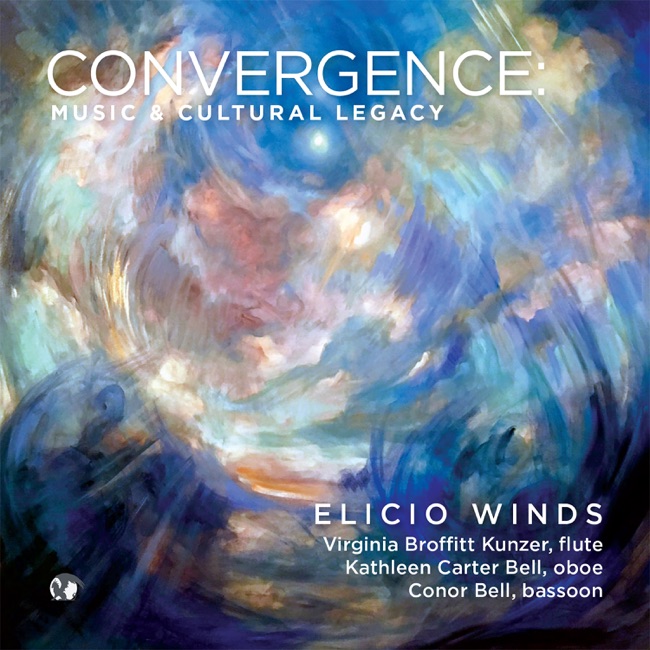 November 17, 2023
 -
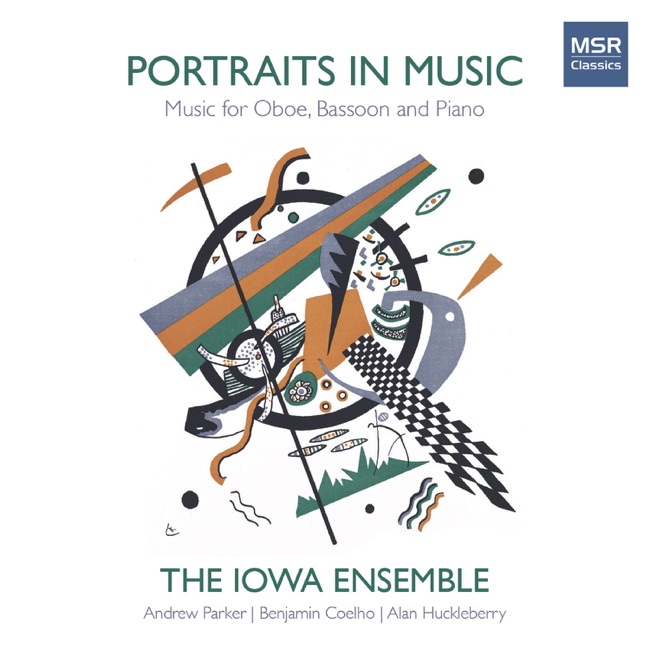 August 27, 2018
 -
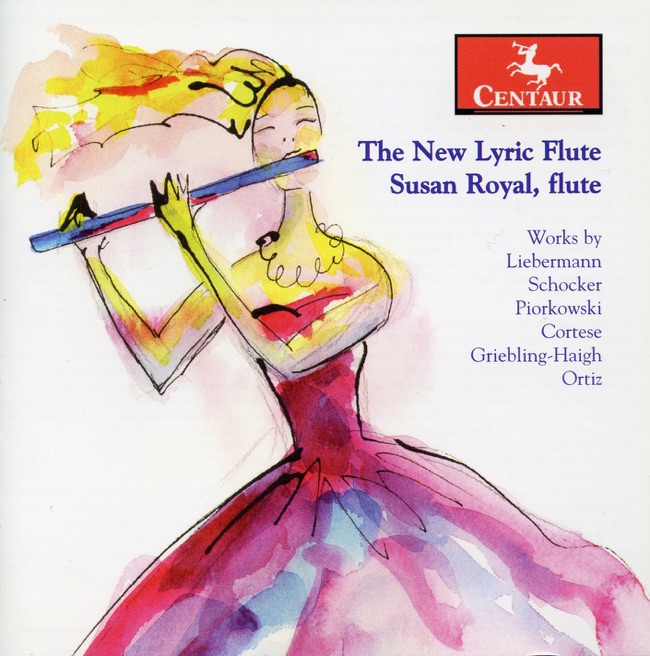 April 1, 2008
Artist Info
Role:ComposerBirth:1960Margaret Griebling-Haigh was an American composer of classical music who was born on August 22, 1921, in Pittsburgh, Pennsylvania. She was the daughter of a prominent physician and a talented pianist, and her parents encouraged her to pursue music from a young age. Margaret began playing the piano at the age of four and showed a natural talent for the instrument. Margaret's musical education began at the Pittsburgh Musical Institute, where she studied piano and composition. She later attended the Juilliard School in New York City, where she studied composition with William Schuman and Vincent Persichetti. Margaret also studied with Nadia Boulanger in Paris, who was a renowned teacher of composition and had taught many famous composers, including Aaron Copland and Philip Glass. Margaret's early compositions were influenced by the neoclassical style of Stravinsky and the modernist style of Schoenberg. Her works were characterized by their rhythmic complexity, use of dissonance, and unconventional harmonies. Margaret's music was also influenced by her interest in literature and poetry, and many of her works were inspired by literary themes and ideas. Margaret's first major composition was her Piano Sonata, which she wrote in 1947. The piece was well-received and helped establish Margaret as a promising young composer. She continued to compose throughout the 1950s and 1960s, and her works were performed by many prominent orchestras and ensembles, including the New York Philharmonic and the Boston Symphony Orchestra. One of Margaret's most famous works is her Symphony No. 1, which she composed in 1958. The piece is a large-scale work for orchestra and features complex rhythms and harmonies. The symphony was premiered by the New York Philharmonic under the direction of Leonard Bernstein and was well-received by audiences and critics alike. Margaret's music continued to evolve throughout the 1960s and 1970s, and she began to incorporate more experimental techniques into her compositions. She was particularly interested in electronic music and began to experiment with synthesizers and other electronic instruments. Margaret's interest in electronic music culminated in her composition of the electronic work "Sonic Landscape No. 1," which was premiered in 1972. Margaret's later works were characterized by their simplicity and clarity. She began to focus on melody and harmony, and her works became more tonal and accessible. Margaret's final composition was her String Quartet No. 3, which she wrote in 1995. The piece is a beautiful and lyrical work that showcases Margaret's mastery of melody and harmony. Margaret Griebling-Haigh was a prolific composer who wrote over 100 works in her lifetime. Her music was characterized by its complexity, experimentation, and beauty. Margaret was a trailblazer in the world of classical music and helped pave the way for future generations of composers. Her legacy continues to inspire and influence musicians around the world.More....
Recent Artist Music
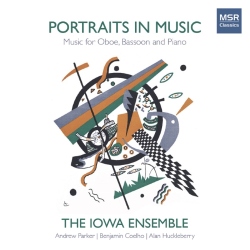
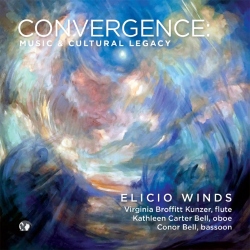
Copyright Ⓒ 2013 Davinci Finger. All rights reseved
Service Terms & Policy