


Lajos Bárdos
Released Album
Miscellaneous
-
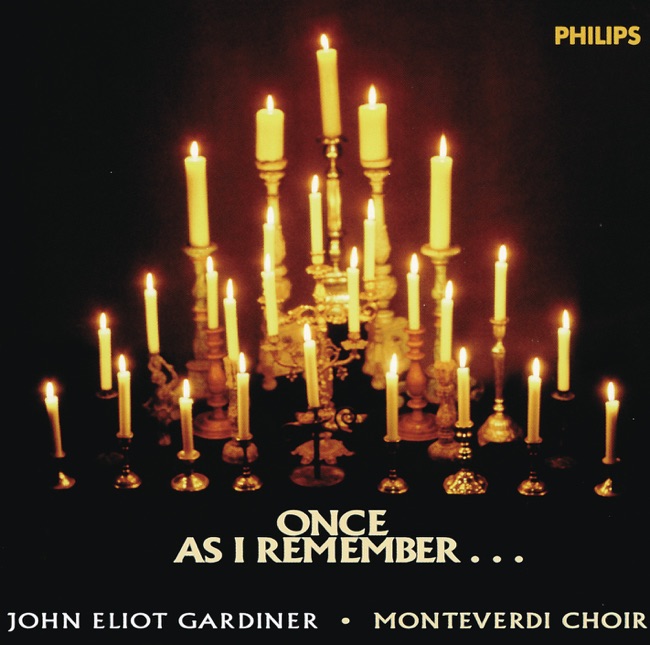 October 20, 1998
Choral
-
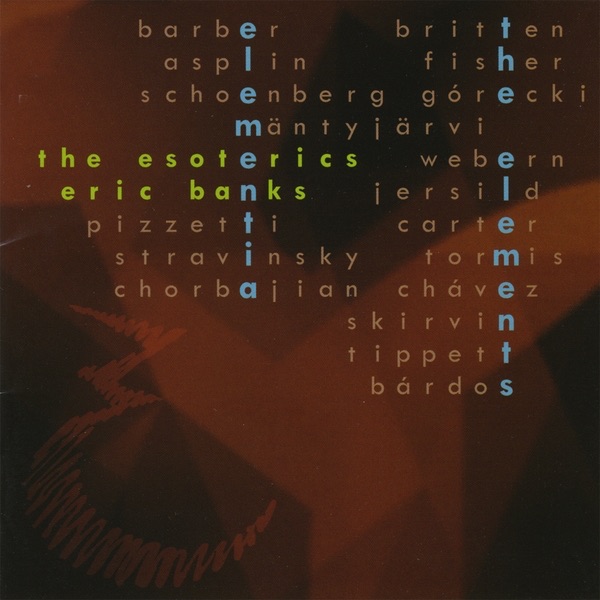 August 28, 2012
 -
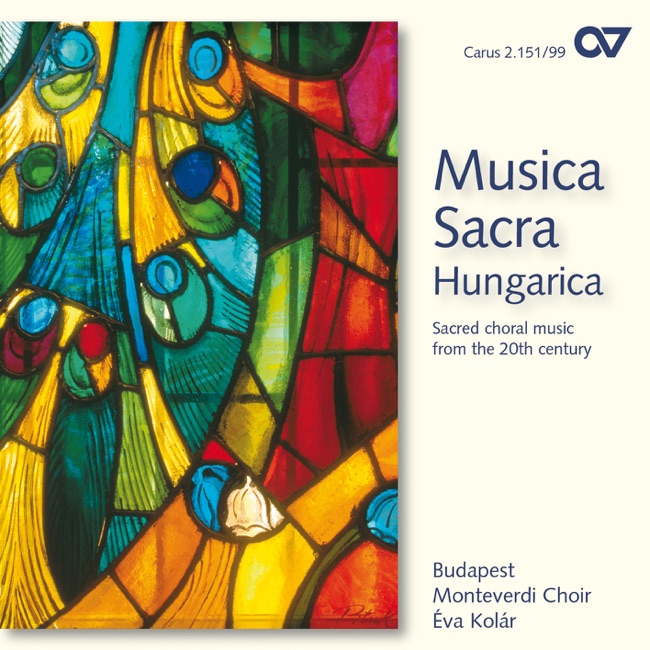
Artist Info
Role:ComposerCountry: HungaryBirth:October 1, 1899Death:1986Period:ContemporaryModernGenre:ChoralLajos Bárdos was a Hungarian composer, conductor, and music educator who made significant contributions to the development of choral music in Hungary. He was born on August 1, 1899, in Nagyvárad, Hungary (now Oradea, Romania), and died on September 18, 1986, in Budapest, Hungary. Bárdos grew up in a musical family, and his father was a choir conductor. He began his musical education at a young age, studying piano, violin, and music theory. He later attended the Franz Liszt Academy of Music in Budapest, where he studied composition with Zoltán Kodály and conducting with Albert Siklós. After completing his studies, Bárdos worked as a music teacher and conductor in various cities in Hungary. He also served as the conductor of the Hungarian Radio Choir from 1945 to 1950. In 1950, he became the director of the Kodály Institute in Kecskemét, Hungary, where he taught music theory and choral conducting until his retirement in 1970. Bárdos was a prolific composer, and his works include choral music, orchestral music, and chamber music. He was particularly known for his contributions to the development of Hungarian choral music, and his works are still performed by choirs around the world. One of Bárdos's most famous works is his "Magyar Népdalok" (Hungarian Folk Songs), a collection of choral arrangements of traditional Hungarian folk songs. The collection was first published in 1935 and has since become a staple of the Hungarian choral repertoire. Bárdos's arrangements are known for their use of traditional Hungarian folk melodies and rhythms, as well as their complex harmonies and counterpoint. Another notable work by Bárdos is his "Missa Brevis," a short choral mass that was first performed in 1943. The work is known for its simple, yet elegant melodies and its use of traditional Latin texts. Bárdos's "Missa Brevis" has become a popular work in the choral repertoire and is often performed by choirs around the world. In addition to his choral works, Bárdos also composed a number of orchestral and chamber music pieces. One of his most famous orchestral works is his "Rhapsody for Orchestra," which was first performed in 1937. The work is known for its use of traditional Hungarian folk melodies and its virtuosic orchestration. Bárdos's contributions to Hungarian music were recognized with a number of awards and honors during his lifetime. In 1964, he was awarded the Kossuth Prize, Hungary's highest cultural honor. He was also awarded the Bartók-Pásztory Prize in 1979 for his contributions to Hungarian music education. In addition to his work as a composer and conductor, Bárdos was also a respected music educator. He was a strong advocate for the use of traditional folk music in music education and believed that music should be accessible to everyone. His teachings at the Kodály Institute in Kecskemét had a significant impact on the development of music education in Hungary and around the world. In conclusion, Lajos Bárdos was a highly influential composer, conductor, and music educator who made significant contributions to the development of Hungarian choral music. His works are still performed by choirs around the world, and his teachings at the Kodály Institute in Kecskemét continue to influence music education today. Bárdos's legacy as a composer and educator has had a lasting impact on the world of music.More....
Recent Artist Music
3
4:22
5
1:59
Copyright Ⓒ 2013 Davinci Finger. All rights reseved
Service Terms & Policy