


Leonardo de Lorenzo
Released Album
Chamber
-
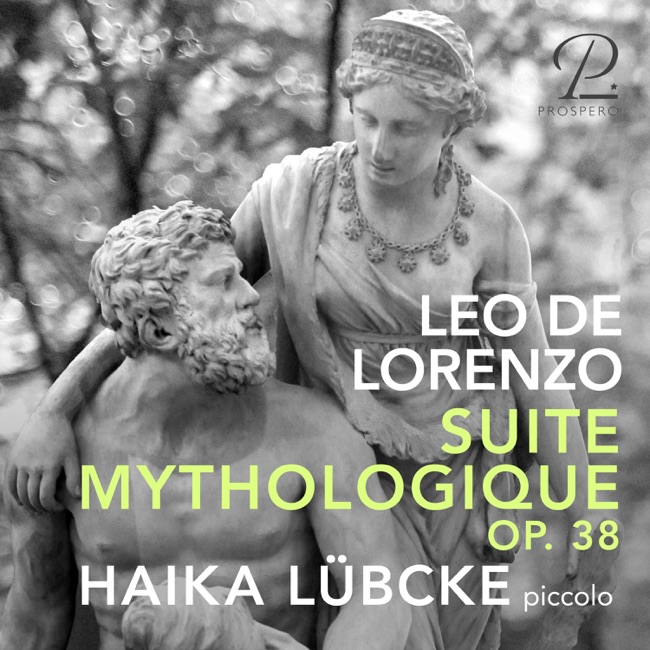 December 23, 2022
 -
 March 10, 2015
 -
 February 10, 2015
 -
 July 9, 2012
 -
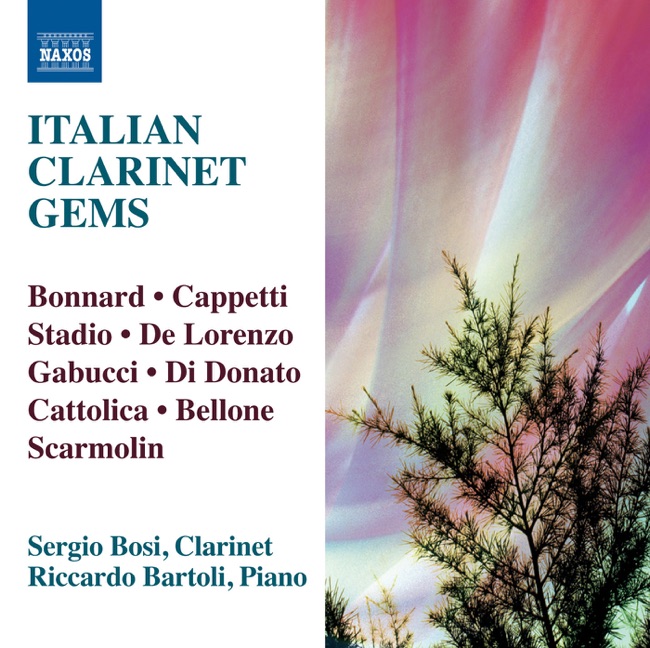 November 15, 2011
 -
 June 3, 2008
Artist Info
Role:ComposerBirth:August 25, 1875Death:July 27, 1962Period:RomanticGenre:ChamberLeonardo de Lorenzo was a renowned Italian flutist, composer, and pedagogue who made significant contributions to the world of classical music. He was born on July 29, 1875, in Viggiano, a small town in the Basilicata region of southern Italy. His father, Vincenzo de Lorenzo, was a flutist and composer, and his mother, Maria Teresa, was a pianist. Leonardo grew up in a musical family and showed an early interest in music. At the age of six, Leonardo began his musical education under the guidance of his father. He learned to play the flute and the piano and showed remarkable talent and dedication. In 1887, when he was twelve years old, he moved with his family to Naples, where he continued his studies at the Conservatory of San Pietro a Majella. There, he studied with some of the most prominent musicians of the time, including Giuseppe Buonamici, Carlo Carignani, and Beniamino Cesi. In 1893, at the age of eighteen, Leonardo graduated from the conservatory with the highest honors. He then began his professional career as a flutist, performing in various orchestras and ensembles in Italy and abroad. He quickly gained a reputation as a virtuoso flutist and was praised for his technical skill and musicality. In addition to his performing career, Leonardo was also a prolific composer. He wrote numerous works for the flute, including concertos, sonatas, and chamber music. His compositions were influenced by the Italian bel canto style and the French impressionist school, and they were characterized by their lyrical melodies, rich harmonies, and virtuosic passages. One of Leonardo's most famous works is his Concerto for Flute and Orchestra in D major, Op. 50. The concerto, written in 1910, is a masterpiece of the flute repertoire and is still widely performed today. It is a three-movement work that showcases the flute's technical and expressive capabilities. The first movement is a lively and energetic allegro, the second movement is a lyrical and expressive adagio, and the third movement is a virtuosic and playful rondo. Another notable work by Leonardo is his Sonata for Flute and Piano in D major, Op. 25. The sonata, written in 1903, is a three-movement work that is considered one of the most important works in the flute repertoire. It is a lyrical and expressive work that showcases the flute's singing qualities and the piano's accompanimental role. In addition to his performing and composing careers, Leonardo was also a dedicated pedagogue. He taught at various conservatories and music schools in Italy and abroad, including the Conservatory of San Pietro a Majella, the Accademia Nazionale di Santa Cecilia in Rome, and the Curtis Institute of Music in Philadelphia. He was known for his innovative teaching methods and his emphasis on the importance of musical expression and interpretation. Leonardo's contributions to the world of classical music were recognized and celebrated during his lifetime. He received numerous awards and honors, including the title of Cavaliere della Corona d'Italia and the title of Chevalier de la Légion d'Honneur. He was also a member of various prestigious musical organizations, including the Accademia Nazionale di Santa Cecilia and the Società Italiana di Musicologia. Leonardo de Lorenzo died on July 29, 1962, on his eighty-seventh birthday. He left behind a rich legacy of music and pedagogy that continues to inspire and influence musicians today.More....
Recent Artist Music
Copyright Ⓒ 2013 Davinci Finger. All rights reseved
Service Terms & Policy