


Johann Andreas Amon
Released Album
Chamber
-
 November 12, 2008
 -
 March 28, 1995
Artist Info
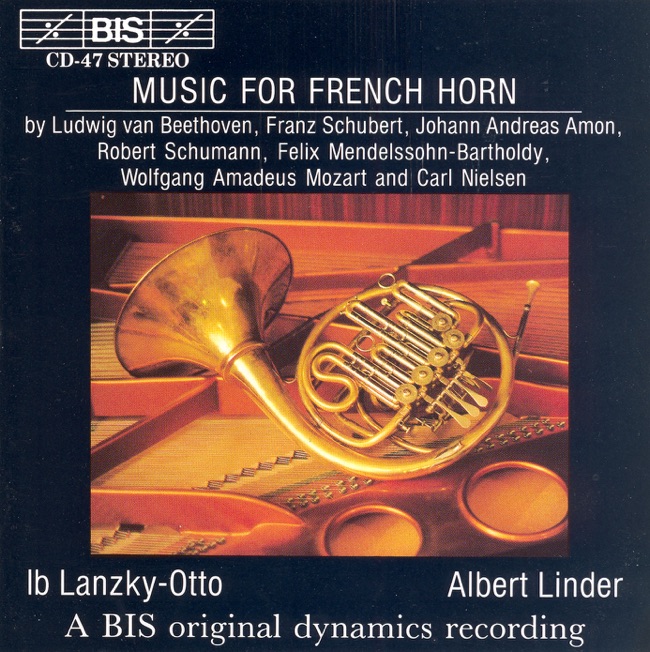
Role:ComposerCountry: GermanyBirth:1763 in Bamberg, GermanyDeath:March 29, 1825 in Wllerstein, BavariaPeriod:ClassicalGenre:ChamberJohann Andreas Amon was a German composer of the classical era, born on December 27, 1763, in Bamberg, Germany. He was the son of Johann Georg Amon, a court musician, and his wife Maria Barbara. Johann Andreas Amon showed an early interest in music and began his musical education under the guidance of his father. At the age of 14, Johann Andreas Amon was appointed as a violinist in the court orchestra of the Prince-Bishop of Bamberg. He continued his studies in music theory and composition with the court composer Franz Jakob Freystädtler. Amon's talent as a composer was soon recognized, and he began to receive commissions for his works. In 1782, Johann Andreas Amon moved to Vienna, where he studied with the renowned composer Johann Georg Albrechtsberger. He also became a member of the Viennese musical establishment, performing as a violinist in the orchestra of the Burgtheater and the court orchestra of Emperor Joseph II. Johann Andreas Amon's compositions were influenced by the classical style of Mozart and Haydn, but he also incorporated elements of the emerging romantic style. His works include symphonies, chamber music, and vocal music. Amon's music was characterized by its elegance, clarity, and lyricism. One of Johann Andreas Amon's most famous works is his Symphony in E-flat major, Op. 17, which was composed in 1790. The symphony is in four movements and features a lively and energetic first movement, a graceful and lyrical second movement, a playful minuet, and a lively finale. The Symphony in E-flat major is considered one of Amon's finest works and is still performed today. Another notable work by Johann Andreas Amon is his String Quartet in D major, Op. 14, which was composed in 1789. The quartet is in four movements and features a lively and energetic first movement, a lyrical and expressive second movement, a playful minuet, and a lively finale. The String Quartet in D major is considered one of Amon's most accomplished works and is still performed today. Johann Andreas Amon also composed a number of vocal works, including cantatas, masses, and oratorios. One of his most famous vocal works is his oratorio "Die letzten Dinge" (The Last Things), which was composed in 1801. The oratorio is a setting of texts from the Bible and features a dramatic and powerful score that reflects the themes of death, judgment, and redemption. Johann Andreas Amon continued to compose music throughout his life, and his works were well-received by audiences and critics alike. He died on August 29, 1825, in Vienna, Austria, at the age of 61. Today, Johann Andreas Amon is remembered as one of the most accomplished composers of the classical era, whose works continue to be performed and enjoyed by audiences around the world.More....
Recent Artist Music
2
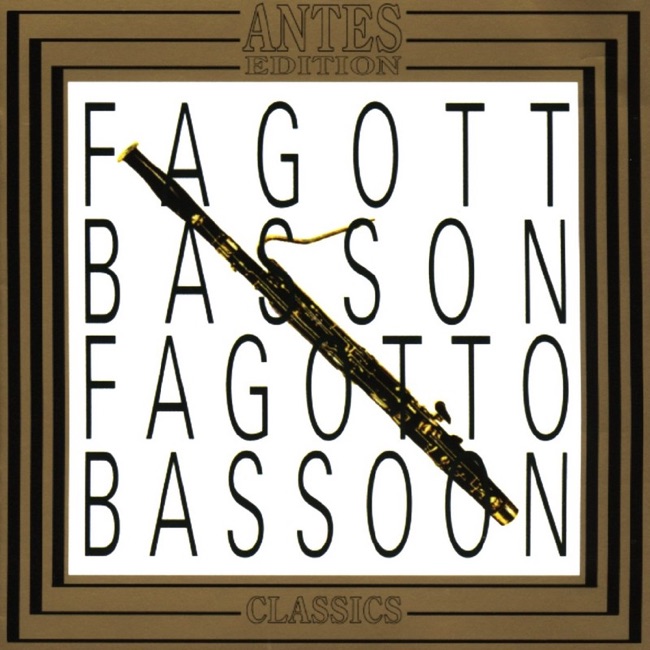
Sonata Concertant bassoon & piano in F major, Op. 88
Sonata Concertant fuer Fagott und Klavier F-Dur op. 88
12:6
Copyright Ⓒ 2013 Davinci Finger. All rights reseved
Service Terms & Policy