


Allan Stephenson
Released Album
Concerto
-
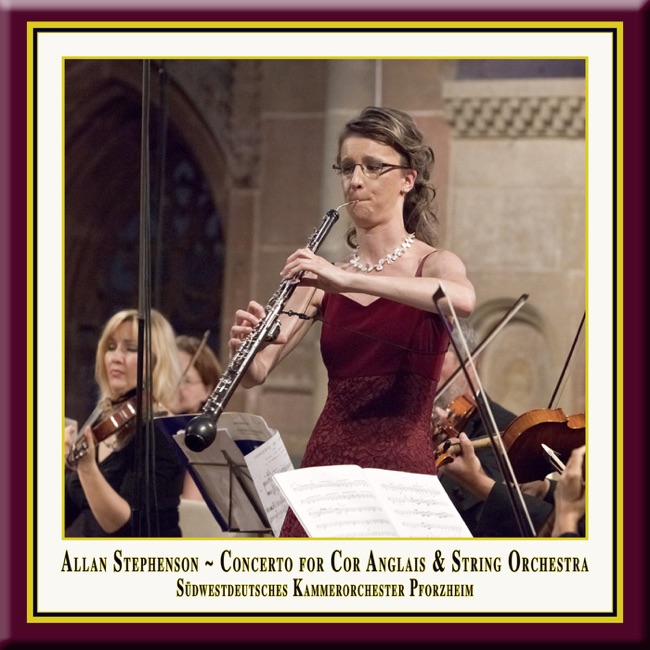
-
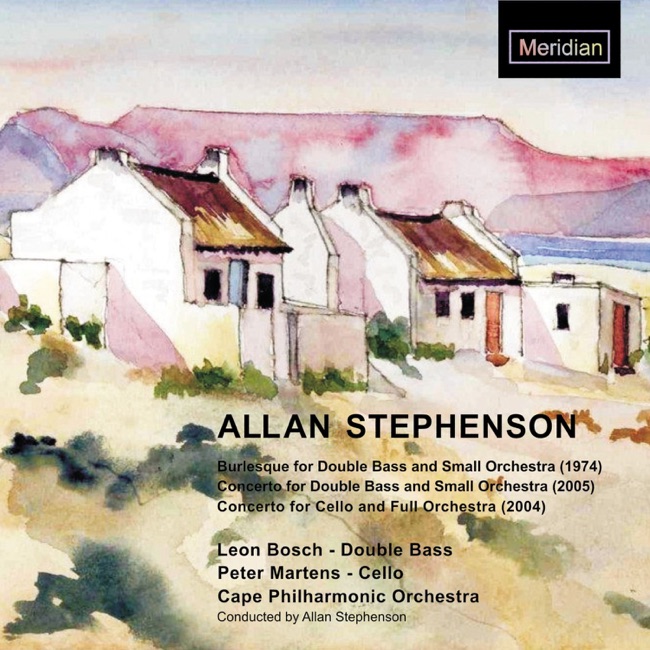 February 6, 2012
 -
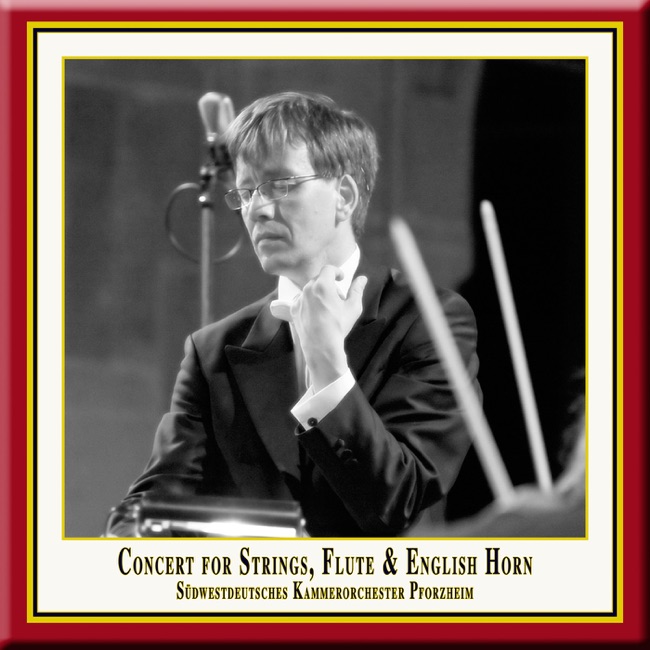 January 31, 2012
Chamber
-
 February 8, 2011
 -
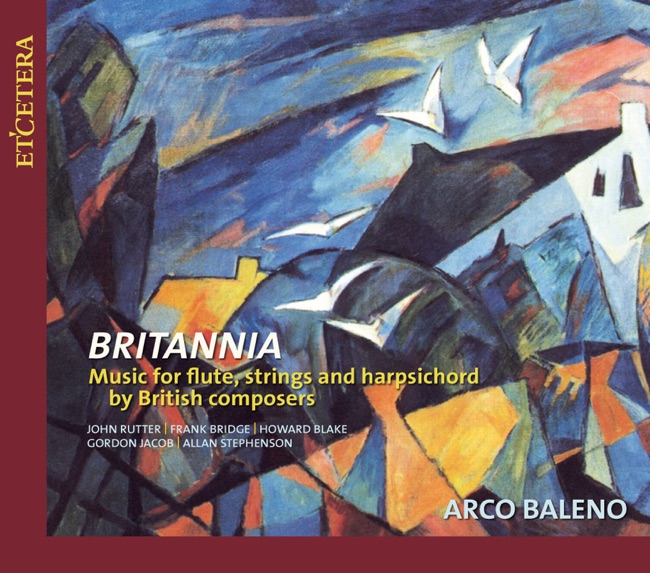
-
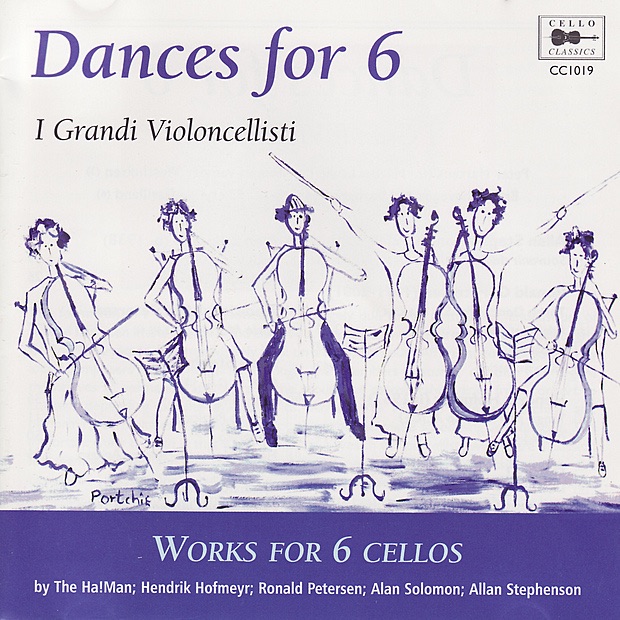 October 31, 2006
Artist Info
Role:Composer ConductorBirth:1949 in Wallasey, Merseyside, EnglandPeriod:ContemporaryModernGenre:ConcertoOrchestralAllan Stephenson was a British composer who was born on May 22, 1949, in London, England. He grew up in a family of musicians, with his father being a professional violinist and his mother a pianist. From a young age, Stephenson showed a keen interest in music and began playing the piano at the age of five. He later learned to play the violin and the trumpet. Stephenson attended the Royal Academy of Music in London, where he studied composition under the tutelage of Sir Lennox Berkeley. He also studied conducting with Sir Adrian Boult and piano with Harold Craxton. During his time at the academy, Stephenson won several awards for his compositions, including the prestigious Royal Philharmonic Society Prize. After graduating from the academy, Stephenson began his career as a composer, writing music for a variety of ensembles and genres. His early works were heavily influenced by the music of his teacher, Sir Lennox Berkeley, and the neo-classical style of composers such as Stravinsky and Hindemith. One of Stephenson's early works, the Concerto for Trumpet and Orchestra, was premiered in 1972 by the London Symphony Orchestra, with the composer himself conducting. The piece was well-received and helped establish Stephenson as a rising star in the classical music world. Throughout the 1970s and 1980s, Stephenson continued to write music for a variety of ensembles, including orchestras, chamber groups, and solo instruments. His works during this period were characterized by their clarity of form and use of traditional tonal structures. One of Stephenson's most famous works, the Symphony No. 1, was premiered in 1985 by the BBC Symphony Orchestra, with the composer conducting. The piece was hailed as a masterpiece of contemporary classical music and helped cement Stephenson's reputation as one of the leading composers of his generation. In the 1990s, Stephenson's music began to incorporate more experimental elements, such as extended techniques and aleatoric structures. His works during this period were often inspired by literature and poetry, and he collaborated with several writers and poets to create new works. One of Stephenson's most notable works from this period was the song cycle, "The Waste Land," based on the poem by T.S. Eliot. The piece was premiered in 1995 by the London Sinfonietta, with the composer conducting. The work was praised for its innovative use of vocal techniques and its evocative portrayal of Eliot's poem. In the early 2000s, Stephenson's music became more introspective and personal, with a focus on exploring the emotional depths of the human experience. His works during this period were often characterized by their use of minimalist techniques and their exploration of the relationship between sound and silence. One of Stephenson's most notable works from this period was the String Quartet No. 3, which was premiered in 2003 by the Arditti Quartet. The piece was praised for its haunting beauty and its exploration of the fragile nature of human existence. Stephenson continued to write music until his death in 2010 at the age of 61. His legacy as a composer is characterized by his commitment to traditional tonal structures and his willingness to experiment with new techniques and forms. His music continues to be performed and recorded by ensembles around the world, and he is remembered as one of the most important British composers of the 20th century.More....
Recent Artist Music
Copyright Ⓒ 2013 Davinci Finger. All rights reseved
Service Terms & Policy