


Leonhard Schröter
Released Album
Choral
-
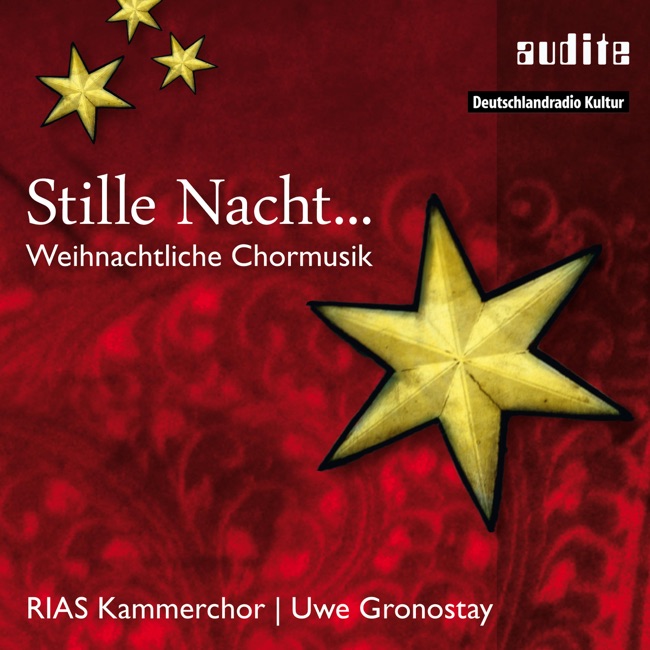 November 18, 2014
 -
 November 19, 2013
 -
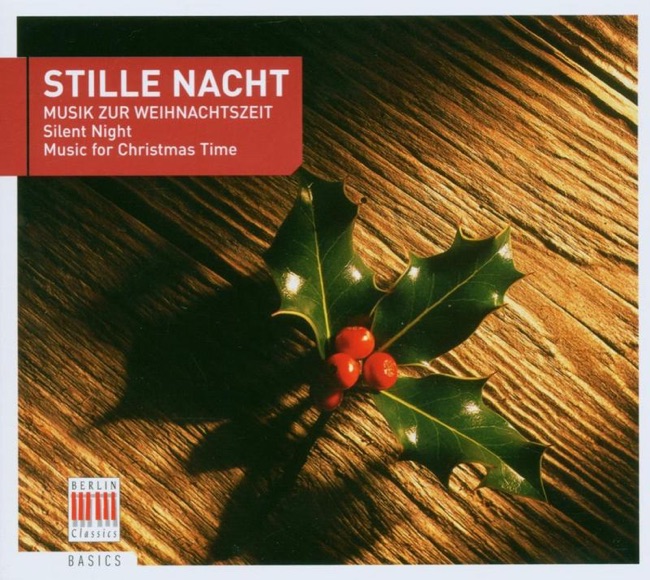 November 6, 2006
Artist Info
Role:ComposerBirth:1532Death:1601Leonhard Schröter was a German composer of classical music who lived from 1799 to 1882. He was born in the town of Gera, in the state of Thuringia, Germany. Schröter was the son of a musician, and he grew up in a musical family. His father was a violinist, and his mother was a singer. Schröter showed an early interest in music, and he began to study the piano and the violin at a young age. Schröter's musical education began in his hometown of Gera, where he studied with local musicians. He then went on to study at the Leipzig Conservatory, where he studied composition with Felix Mendelssohn. Mendelssohn was a major influence on Schröter's music, and he helped to shape Schröter's style and technique. After completing his studies, Schröter began to compose music in earnest. He wrote a number of works for the piano, including sonatas, variations, and character pieces. He also wrote chamber music, including string quartets and piano trios. Schröter's music was well-received, and he quickly gained a reputation as a talented composer. In 1830, Schröter was appointed as the music director of the city of Gera. He held this position for over 50 years, and during this time he made significant contributions to the musical life of the city. He founded a music school, which trained many young musicians, and he also established a choir and an orchestra. Schröter's music was influenced by the Romantic movement, which was popular in Germany during the 19th century. His music is characterized by its lyricism, its use of rich harmonies, and its emotional expressiveness. Schröter was also interested in folk music, and he incorporated elements of folk music into his compositions. One of Schröter's most famous works is his Piano Sonata in A minor, Op. 13. This sonata is a virtuosic work that showcases Schröter's skill as a pianist and composer. The sonata is in three movements, and it features a wide range of emotions and moods. The first movement is dramatic and intense, while the second movement is lyrical and introspective. The final movement is lively and energetic, and it brings the sonata to a thrilling conclusion. Another notable work by Schröter is his String Quartet in D minor, Op. 23. This quartet is a powerful and emotional work that showcases Schröter's skill as a composer of chamber music. The quartet is in four movements, and it features a wide range of emotions and moods. The first movement is dark and brooding, while the second movement is lyrical and introspective. The third movement is a lively scherzo, and the final movement is a thrilling finale that brings the quartet to a dramatic conclusion. Schröter's music was well-regarded during his lifetime, and he was considered to be one of the leading composers of his time. His music was performed throughout Germany, and it was also performed in other countries, including Austria, France, and England. Schröter's music was praised for its emotional expressiveness, its technical skill, and its beauty. In addition to his work as a composer, Schröter was also a respected music educator. He taught many young musicians, and he was known for his dedication to his students. Schröter was also a respected music critic, and he wrote many articles and reviews on music. Schröter died in 1882, at the age of 83. He left behind a legacy of beautiful and emotional music, as well as a lasting impact on the musical life of his hometown of Gera.More....
Recent Artist Music

7
1:40
8

1:21

Copyright Ⓒ 2013 Davinci Finger. All rights reseved
Service Terms & Policy