


Mariano San Miguel
Artist Info
Role:ComposerMariano San Miguel was a Spanish composer who lived from 1893 to 1962. He was born in the city of Zaragoza, in the northeastern region of Aragon, Spain. San Miguel was the son of a music teacher, and he grew up in a family that was deeply involved in music. His father taught him to play the piano and the violin, and he also received training in music theory and composition. San Miguel showed an early talent for music, and he began composing at a young age. He studied at the Conservatory of Zaragoza, where he received a solid foundation in music theory and composition. He also studied with some of the leading composers of his time, including Joaquín Rodrigo and Manuel de Falla. San Miguel's early works were heavily influenced by the music of his native Spain. He was particularly interested in the folk music of Aragon, and he incorporated elements of this music into his compositions. His early works include a number of zarzuelas, which are Spanish operettas that are popular in the region. In the 1920s, San Miguel moved to Madrid, where he became involved in the city's vibrant music scene. He began to compose more ambitious works, including symphonies, concertos, and chamber music. His music continued to be influenced by the folk music of Spain, but he also began to incorporate elements of other musical traditions, including jazz and modernist music. One of San Miguel's most important works is his Symphony No. 1, which he composed in 1928. The symphony is a large-scale work that showcases San Miguel's skill as a composer. It is a complex and ambitious work that incorporates elements of Spanish folk music, as well as modernist techniques such as polytonality and atonality. San Miguel continued to compose throughout the 1930s and 1940s, despite the difficult political situation in Spain at the time. He was a supporter of the Republican government during the Spanish Civil War, and he was forced to flee the country when General Franco's forces took control in 1939. He spent several years in exile in France and Mexico, where he continued to compose and perform his music. In the 1950s, San Miguel returned to Spain, where he continued to compose and teach music. He was a respected figure in the Spanish music scene, and he was known for his innovative and experimental approach to composition. He continued to incorporate elements of Spanish folk music into his works, but he also began to explore new musical styles and techniques. One of San Miguel's most important works from this period is his Concerto for Guitar and Orchestra, which he composed in 1954. The concerto is a virtuosic work that showcases the guitar's unique sound and capabilities. It is a complex and challenging work that has become a staple of the guitar repertoire. San Miguel continued to compose until his death in 1962. His music has been performed and recorded by some of the leading musicians and orchestras of his time, and it continues to be studied and admired by music scholars and enthusiasts around the world. In conclusion, Mariano San Miguel was a Spanish composer who was deeply influenced by the folk music of his native Aragon. He was a skilled and innovative composer who incorporated elements of modernist music and jazz into his works. His music is characterized by its complexity and ambition, and it continues to be admired and studied by music scholars and enthusiasts around the world.More....
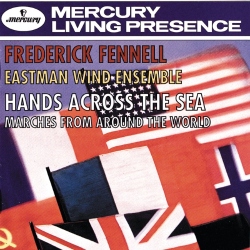
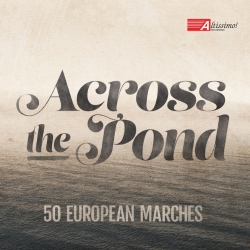
Recent Artist Music

Copyright Ⓒ 2013 Davinci Finger. All rights reseved
Service Terms & Policy