


Alejandro Castaños
Released Album
Chamber
-
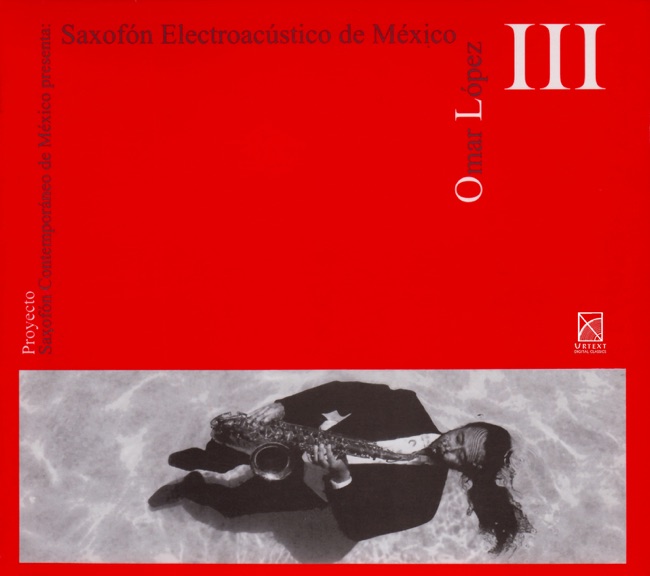 September 24, 2013
 -
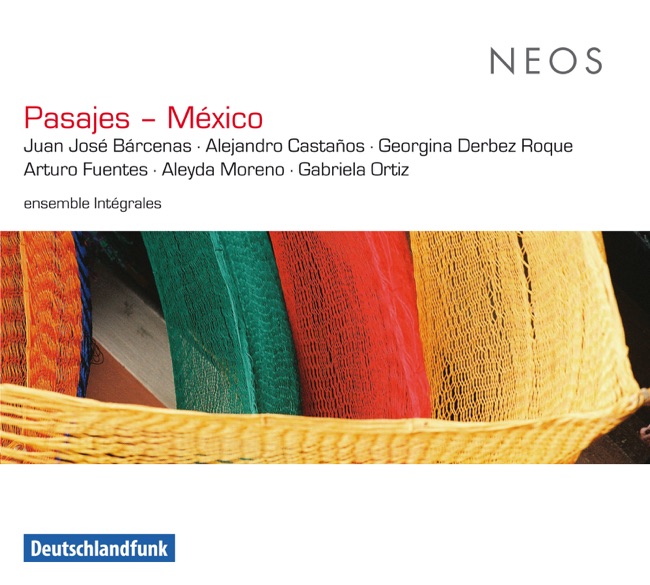 January 25, 2011
 -
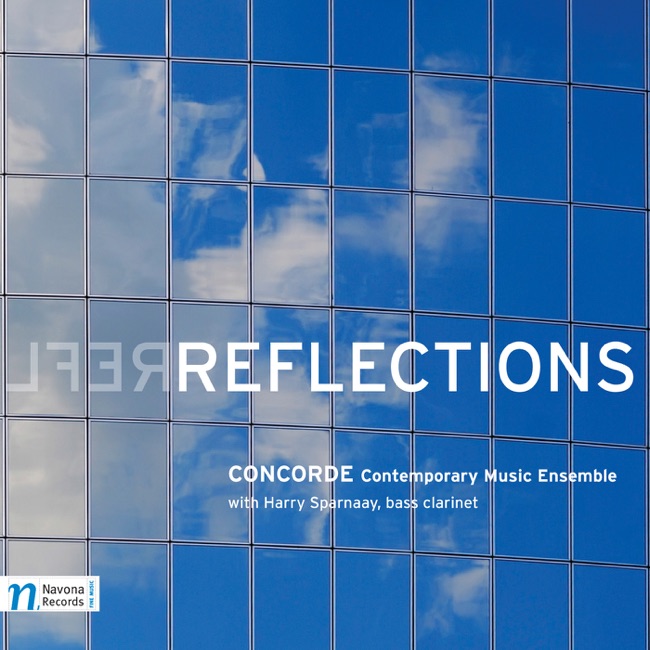 October 1, 2010
Artist Info
Role:ComposerAlejandro Castaños was a Mexican composer and pianist who was born on August 30, 1904, in the city of Guadalajara, Jalisco. He was the son of a music teacher, and his father's passion for music inspired him to pursue a career in music. Castaños began his musical studies at a young age, and he showed great talent and dedication to his craft. Castaños studied at the National Conservatory of Music in Mexico City, where he was a student of Carlos Chávez, one of the most important Mexican composers of the 20th century. Castaños was also influenced by the music of European composers such as Debussy, Ravel, and Stravinsky, and he incorporated elements of their styles into his own compositions. Castaños began his career as a pianist, performing in concerts and recitals throughout Mexico. He also worked as a music teacher, and he was known for his ability to inspire and motivate his students. In addition to his work as a performer and teacher, Castaños was also a prolific composer, and he wrote music in a variety of genres, including orchestral works, chamber music, and solo piano pieces. One of Castaños' most famous works is his Piano Concerto No. 1, which he composed in 1935. The concerto is a virtuosic showcase for the soloist, with fast runs and intricate passages that require great technical skill. The piece also features lush orchestration and a memorable melody that has made it a favorite among audiences and performers alike. Another notable work by Castaños is his String Quartet No. 1, which he composed in 1940. The quartet is a complex and challenging piece that showcases Castaños' mastery of counterpoint and his ability to create intricate textures and harmonies. The piece has been praised for its emotional depth and its ability to convey a wide range of moods and emotions. Castaños' music was also influenced by his Mexican heritage, and he often incorporated elements of Mexican folk music into his compositions. One example of this is his Suite Mexicana, which he composed in 1945. The suite is a collection of five pieces that are based on traditional Mexican melodies and rhythms. The piece has been praised for its colorful orchestration and its ability to capture the spirit of Mexican music. Throughout his career, Castaños was recognized as one of Mexico's most important composers, and he received numerous awards and honors for his contributions to music. In 1954, he was awarded the National Prize for Arts and Sciences in the field of music, and in 1964, he was named a member of the Mexican Academy of Arts. Castaños continued to compose and perform music until his death in 1958. His legacy lives on through his music, which continues to be performed and admired by musicians and audiences around the world. His contributions to Mexican music and his unique blend of European and Mexican influences have made him an important figure in the history of classical music.More....
Recent Artist Music
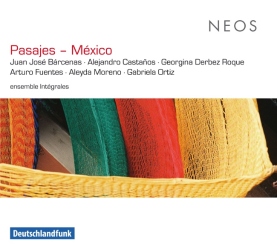
Copyright Ⓒ 2013 Davinci Finger. All rights reseved
Service Terms & Policy