


Hans Huber
Released Album
Chamber
-
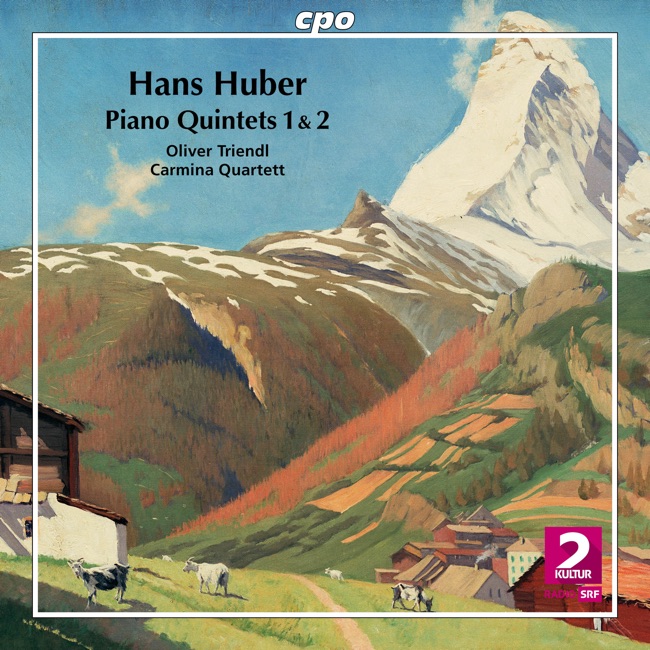 July 5, 2024
 -
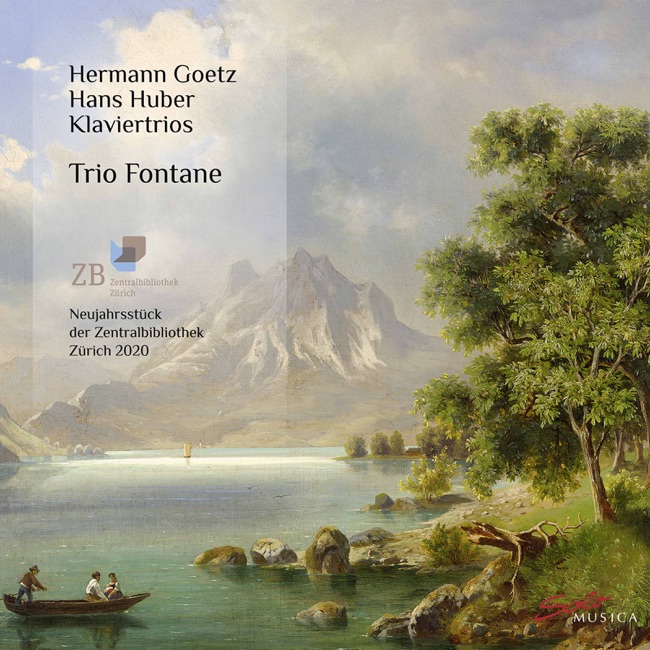 February 7, 2020
 -
Symphony
-
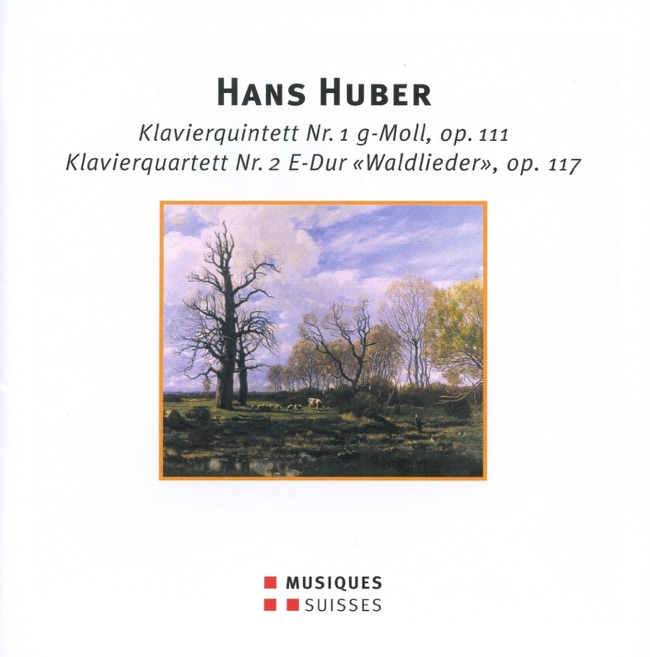
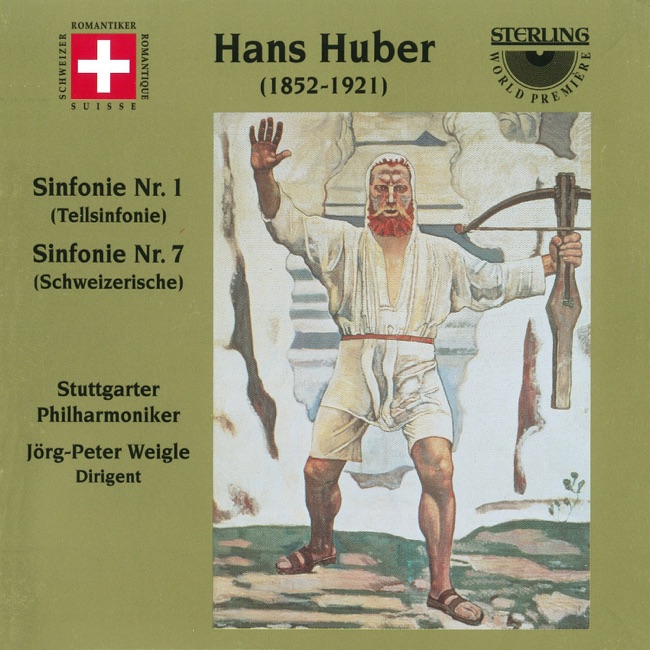 November 27, 2001
 -
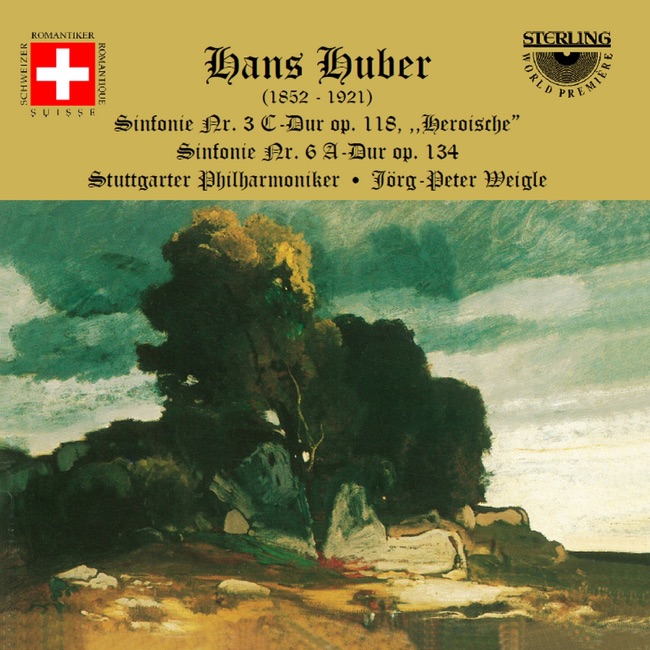 March 1, 2000
 -
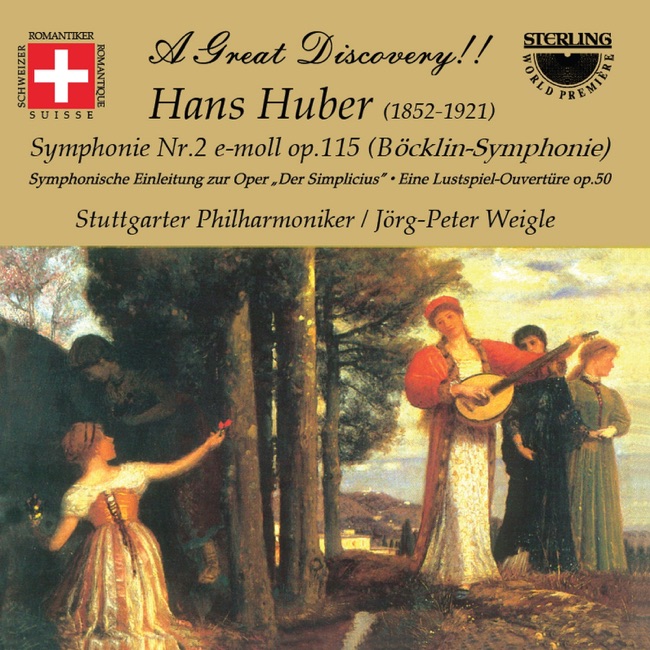 January 25, 1999
 -
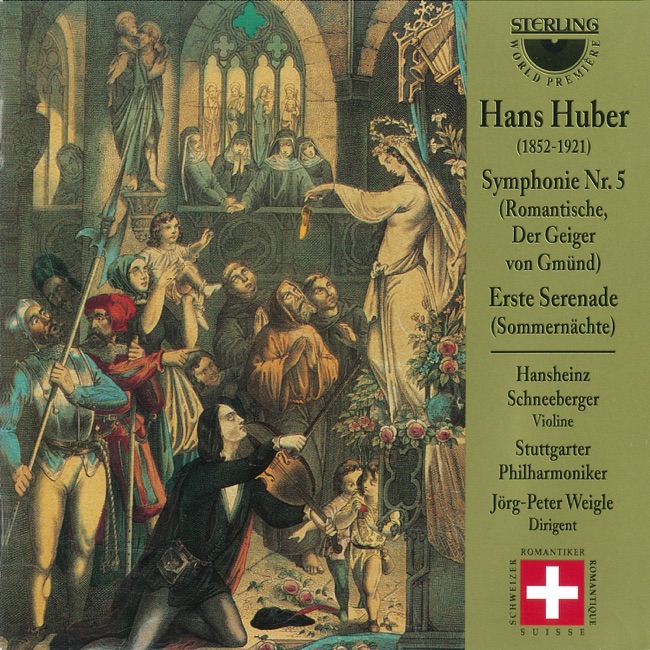 January 25, 1999
Keyboard
-
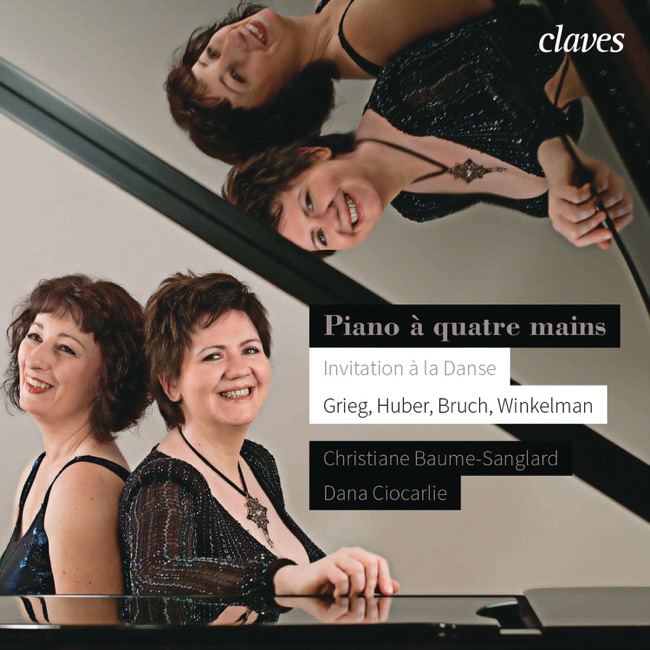 May 18, 2015
 -
 March 11, 2014
 -
 June 12, 2012
 -
 June 25, 2002
Orchestral
-
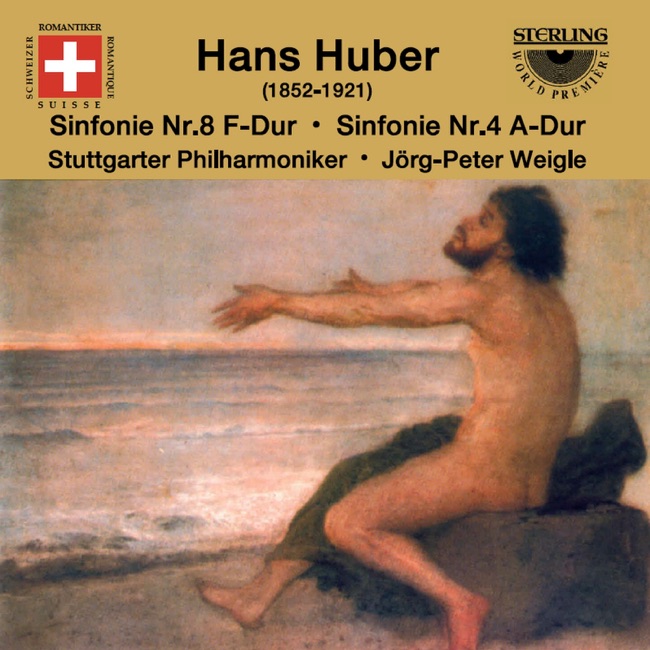 July 16, 2002
Artist Info
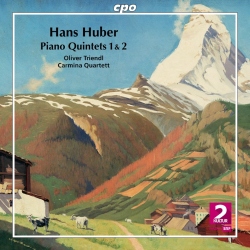
Role:ComposerCountry: SwitzerlandBirth:June 28, 1852Death:December 25, 1921Period:RomanticContemporaryGenre:OrchestralSymphonyVocalHans Huber was a Swiss composer and music teacher who lived from 28 June 1852 to 25 December 1921. He was born in Eppenberg, Switzerland, to a family of musicians. His father, Johann Rudolf Huber, was a church organist and music teacher, and his mother, Maria Magdalena, was a singer. Hans Huber showed an early interest in music and began taking piano lessons from his father at the age of six. Huber's musical education continued at the Basel Conservatory, where he studied piano, organ, and composition. He also studied with Franz Liszt in Weimar, Germany, and with Josef Rheinberger in Munich, Germany. Huber's early compositions were influenced by the Romantic style of Liszt and Wagner, but he later developed his own unique style that blended elements of Romanticism and Classicism. In 1878, Huber was appointed as a professor of music theory and composition at the Basel Conservatory, where he remained for the rest of his career. He also served as the director of the conservatory from 1894 to 1918. Huber was a highly respected teacher, and his students included many prominent Swiss composers, such as Othmar Schoeck and Frank Martin. Huber's compositions include orchestral works, chamber music, choral music, and songs. His orchestral works include four symphonies, a violin concerto, and a piano concerto. His chamber music includes numerous works for string quartet, as well as sonatas for various instruments. Huber's choral music includes several cantatas and oratorios, as well as numerous songs for choir. His songs for solo voice and piano are also highly regarded. One of Huber's most famous works is his Symphony No. 1 in E major, Op. 36, which was composed in 1884. The symphony is in four movements and is notable for its use of folk melodies and its lyrical themes. The symphony was well-received at its premiere and helped establish Huber's reputation as a composer. Another notable work by Huber is his Piano Concerto No. 3 in B minor, Op. 113, which was composed in 1911. The concerto is in three movements and is notable for its virtuosic piano writing and its use of chromatic harmonies. The concerto was dedicated to the Swiss pianist Edwin Fischer, who gave the premiere performance. Huber's chamber music is also highly regarded, particularly his string quartets. He composed six string quartets in total, and they are considered some of the finest examples of Swiss chamber music. His String Quartet No. 3 in G minor, Op. 27, is particularly notable for its use of folk melodies and its dramatic themes. Huber's choral music includes several cantatas and oratorios, as well as numerous songs for choir. His oratorio "Die Heilige Cäcilie" (St. Cecilia) is particularly notable for its use of polyphonic textures and its dramatic themes. The oratorio tells the story of St. Cecilia, the patron saint of music, and was well-received at its premiere in 1891. Huber's songs for solo voice and piano are also highly regarded. His song cycle "Aus Goethes Faust" (From Goethe's Faust) is particularly notable for its use of Goethe's text and its lyrical themes. The cycle includes settings of several famous poems from Goethe's Faust, including "Gretchen am Spinnrade" (Gretchen at the Spinning Wheel) and "Der Zauberlehrling" (The Sorcerer's Apprentice). In addition to his compositions, Huber was also a respected musicologist and wrote several books on music theory and history.More....
Recent Artist Music
1
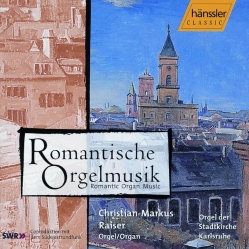
Fantasy based on words from Holy Scripture 2, Psalm 84
1. Wie lieblich sind deine Wohnungen, Herr Zabaoth, Adagio con sentimento (poetisch)
6:5
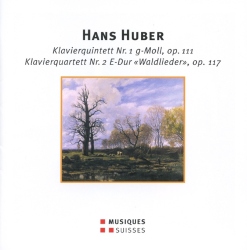
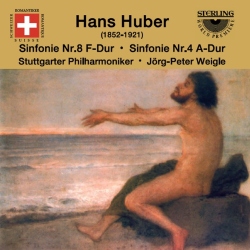
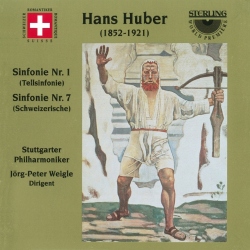
10
1:22

Copyright Ⓒ 2013 Davinci Finger. All rights reseved
Service Terms & Policy