


Ernest Sauter
Released Album
Chamber
-
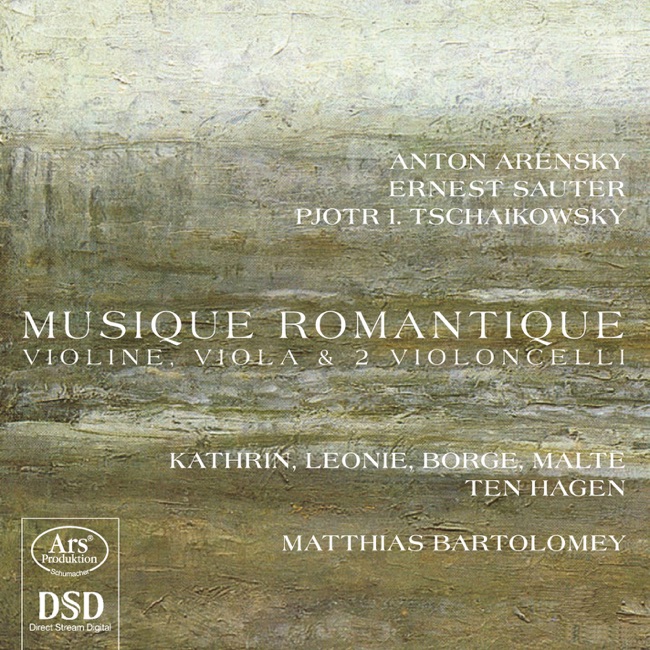 February 1, 2014
 -
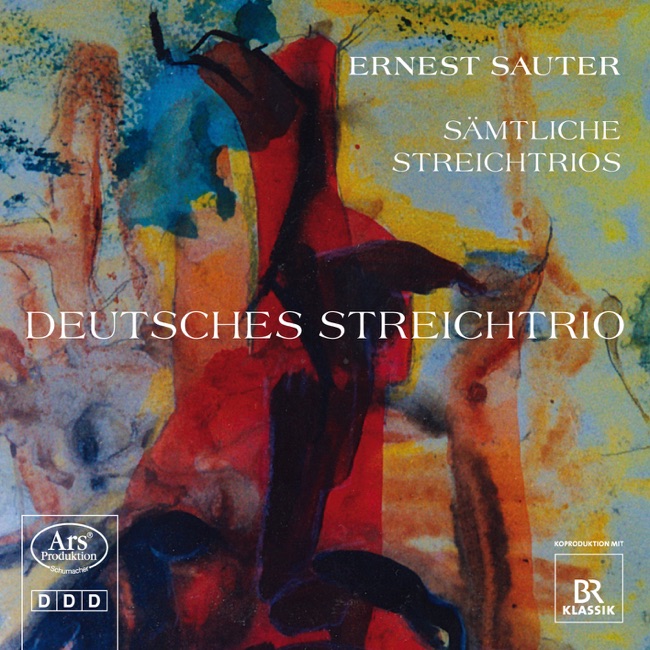 June 29, 2010
Artist Info
Role:ComposerCountry: GermanyBirth:1928 in Munich, GermanyErnest Sauter was a German composer and pianist who was born on August 22, 1912, in the town of Kaiserslautern, Germany. He was the son of a music teacher and grew up in a musical family. His father recognized his son's musical talent at an early age and began teaching him piano when he was just four years old. Sauter's musical education continued at the Hochschule für Musik in Frankfurt, where he studied composition with Bernhard Sekles and piano with Edwin Fischer. He also studied with the renowned composer Paul Hindemith, who had a significant influence on his musical style. In 1933, Sauter's career was interrupted by the rise of the Nazi party in Germany. He was forced to flee the country and eventually settled in Switzerland, where he continued to compose and perform. During this time, he also became a Swiss citizen. Sauter's early works were heavily influenced by Hindemith's neoclassical style, but he later developed his own unique voice. His music is characterized by its clarity, precision, and economy of means. He was particularly interested in exploring the possibilities of the piano as a solo instrument and wrote many works for the instrument. One of Sauter's most significant works is his Piano Concerto No. 1, which he composed in 1947. The concerto is a virtuosic showcase for the soloist and features a lively and rhythmic first movement, a lyrical second movement, and a playful and energetic finale. The work has been performed by many of the world's leading pianists and is considered a masterpiece of the genre. Sauter also wrote a number of chamber works, including a Piano Trio, a String Quartet, and a Wind Quintet. These works are characterized by their intricate counterpoint and clear textures. His Piano Trio, in particular, is a masterful example of the genre and has been praised for its balance and elegance. In addition to his instrumental works, Sauter also wrote a number of vocal works, including songs and choral works. His choral works are particularly notable for their use of complex harmonies and rhythms. One of his most famous choral works is his setting of the Latin text "Ave Maria," which has been performed by choirs around the world. Sauter's music was well-received during his lifetime, and he received many honors and awards for his work. In 1962, he was awarded the Prix de Composition Musicale de la Ville de Genève for his Piano Concerto No. 2. He was also awarded the Grand Prix de la Ville de Paris in 1972 for his contributions to contemporary music. Despite his success, Sauter remained a modest and private person throughout his life. He never sought fame or fortune and was content to let his music speak for itself. He died on January 22, 1991, in Geneva, Switzerland, at the age of 78. Today, Sauter's music continues to be performed and recorded by musicians around the world. His works are admired for their clarity, precision, and elegance, and he is considered one of the most important composers of the 20th century.More....
Recent Artist Music
Copyright Ⓒ 2013 Davinci Finger. All rights reseved
Service Terms & Policy