


Nancy Galbraith
Released Album
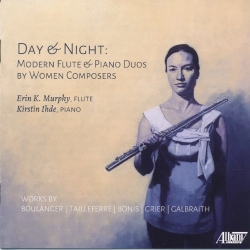
Chamber
-
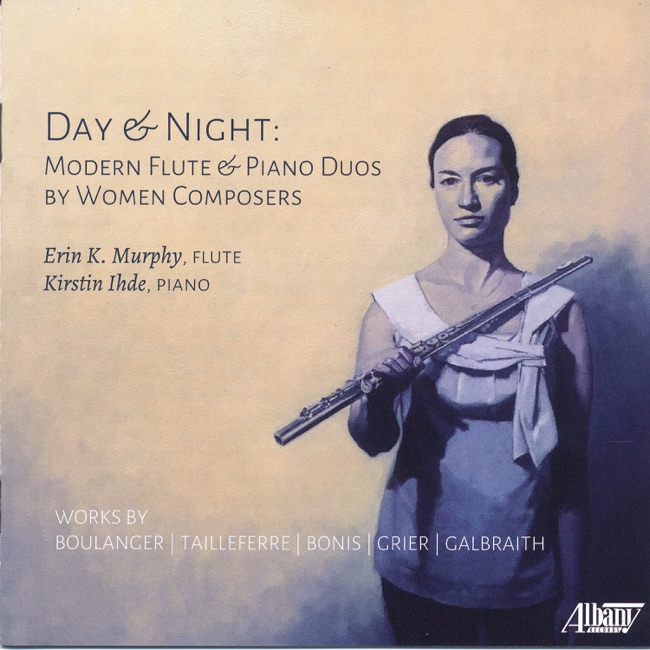 October 16, 2020
 -
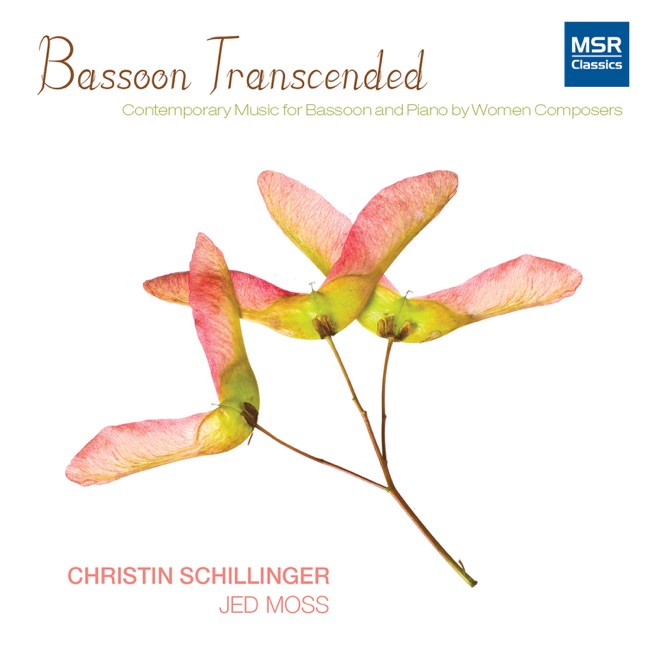 September 10, 2013
 -
 April 30, 2013
 -
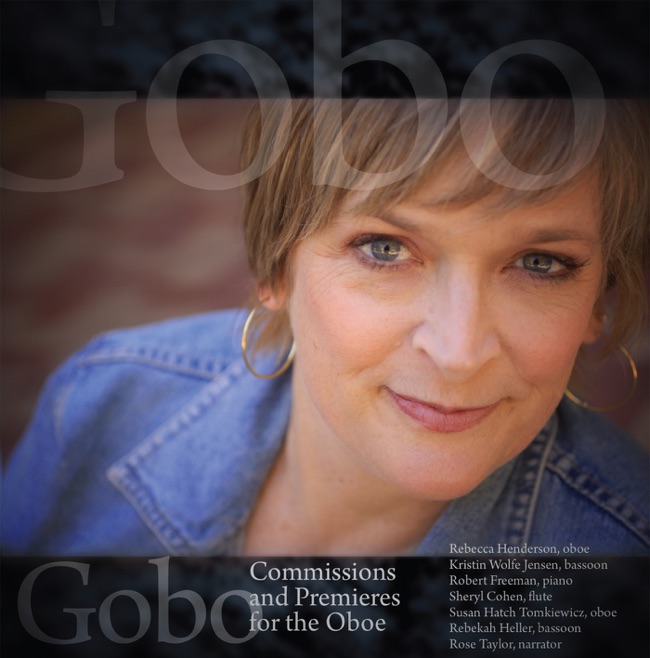 March 27, 2012
 -
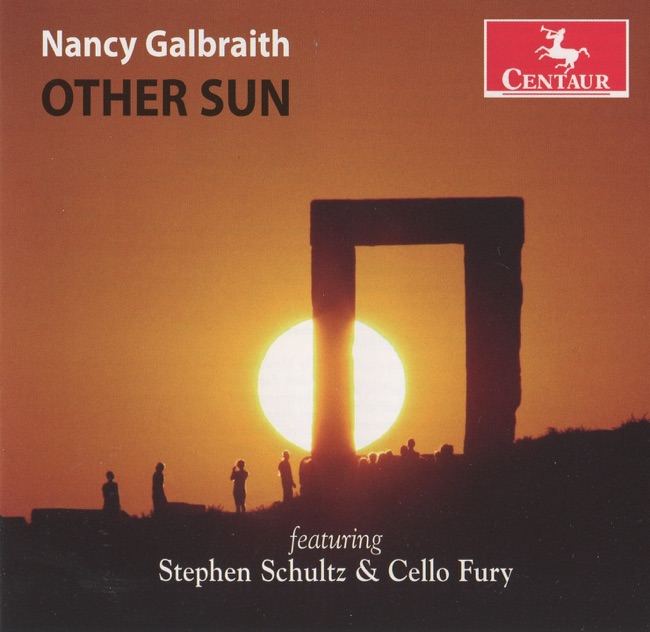 January 25, 2011
 -
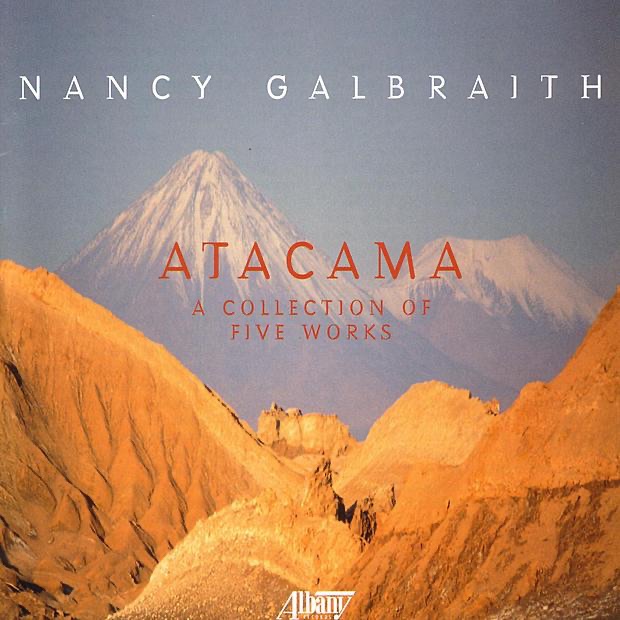 February 25, 2003
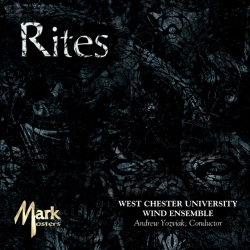
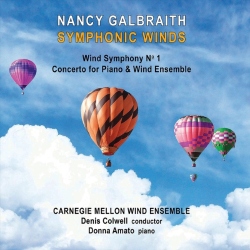
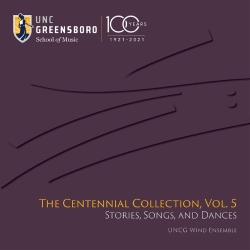
Band
-
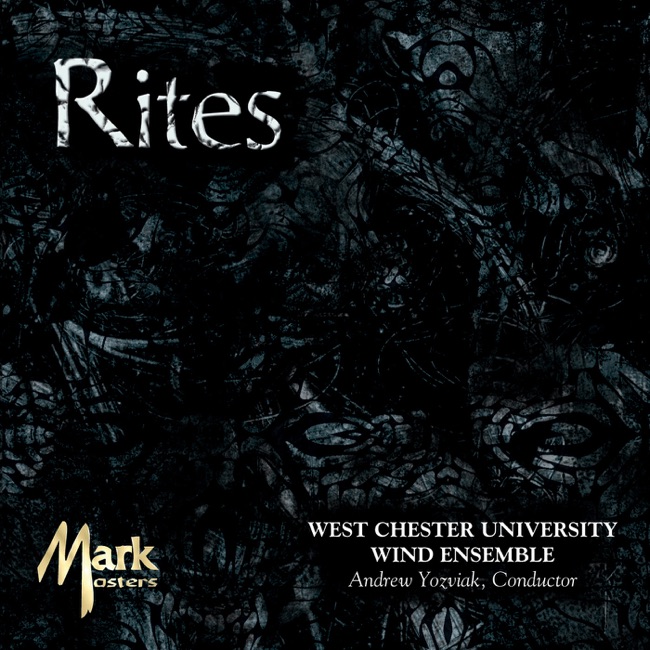 September 1, 2012
 -
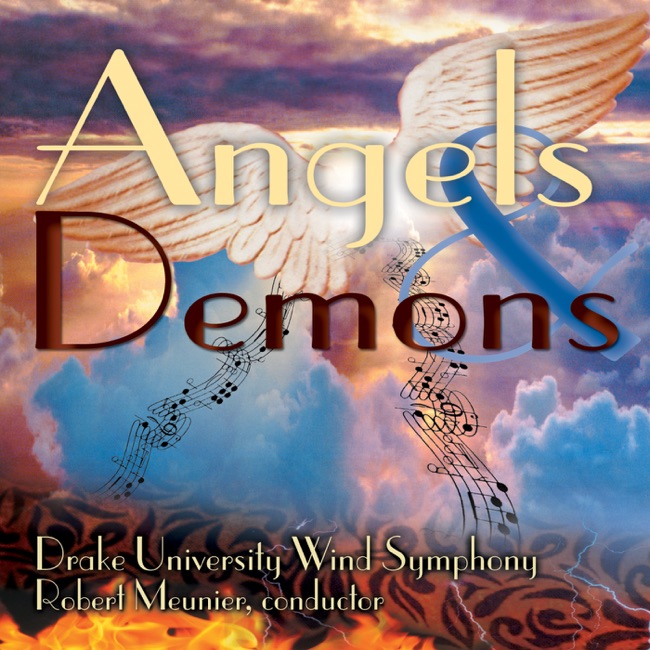 September 1, 2011
 -
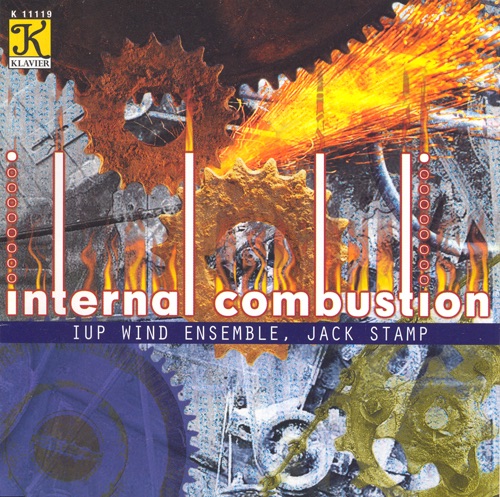 January 1, 2001
 -
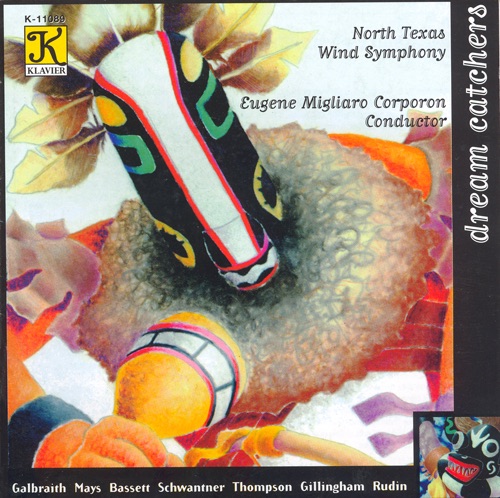 November 24, 1998
Keyboard
-
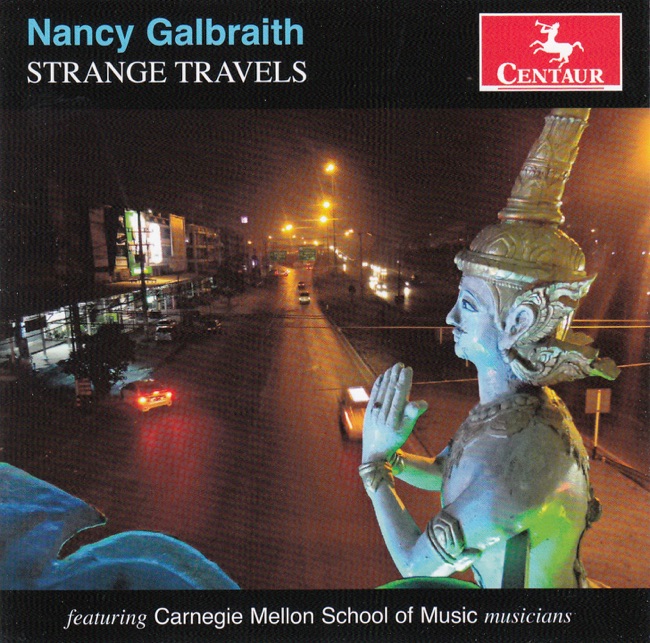 March 10, 2015
Artist Info
Role:ComposerBirth:1951 in Pittsburgh, PAPeriod:ContemporaryGenre:BandChamberConcertoNancy Galbraith is a renowned American composer of classical music. She was born on November 29, 1951, in Pittsburgh, Pennsylvania. Galbraith grew up in a musical family, with her father being a jazz pianist and her mother a singer. She began playing the piano at a young age and later learned to play the trumpet and French horn. Galbraith attended Carnegie Mellon University in Pittsburgh, where she earned a Bachelor of Fine Arts degree in music composition. She then went on to earn a Master of Music degree in composition from the University of Pittsburgh. Galbraith also studied at the Tanglewood Music Center in Massachusetts and the Aspen Music Festival in Colorado. Galbraith's music is known for its unique blend of traditional and contemporary styles. She often incorporates elements of jazz, rock, and folk music into her compositions, while still maintaining a strong foundation in classical music. Her works have been performed by orchestras and ensembles around the world, including the Pittsburgh Symphony Orchestra, the Boston Pops, and the London Symphony Orchestra. One of Galbraith's most notable works is her Symphony No. 1, which was commissioned by the Pittsburgh Symphony Orchestra in 1996. The symphony is a four-movement work that showcases Galbraith's ability to blend different musical styles. The first movement, titled "Fanfare," is a lively and energetic piece that features brass and percussion. The second movement, "Lament," is a slower and more introspective piece that features strings and woodwinds. The third movement, "Dance," is a lively and rhythmic piece that features a variety of instruments, including the xylophone and marimba. The final movement, "Epilogue," is a reflective and peaceful piece that brings the symphony to a close. Another notable work by Galbraith is her Concerto for Orchestra, which was commissioned by the Boston Pops Orchestra in 2000. The concerto is a three-movement work that features different sections of the orchestra in solo roles. The first movement, "Fanfare," is a lively and energetic piece that features the brass and percussion sections. The second movement, "Elegy," is a slower and more introspective piece that features the strings and woodwinds. The final movement, "Dance," is a lively and rhythmic piece that features the entire orchestra. Galbraith has also composed a number of works for chamber ensembles, including her String Quartet No. 3, which was commissioned by the Pittsburgh Chamber Music Society in 1999. The quartet is a four-movement work that showcases Galbraith's ability to blend different musical styles. The first movement, "Fanfare," is a lively and energetic piece that features the entire quartet. The second movement, "Lament," is a slower and more introspective piece that features the cello. The third movement, "Dance," is a lively and rhythmic piece that features the violin and viola. The final movement, "Epilogue," is a reflective and peaceful piece that brings the quartet to a close. In addition to her work as a composer, Galbraith is also a professor of music composition at Carnegie Mellon University. She has received numerous awards and honors for her work, including the ASCAP Foundation Rudolf Nissim Prize, the National Endowment for the Arts Composer Fellowship, and the Pittsburgh Symphony Orchestra's Composer of the Year award. Overall, Nancy Galbraith is a highly respected composer of classical music who has made significant contributions to the field.More....




Copyright Ⓒ 2013 Davinci Finger. All rights reseved
Service Terms & Policy