


John MacKenzie-Rogan
Released Album
Miscellaneous
-
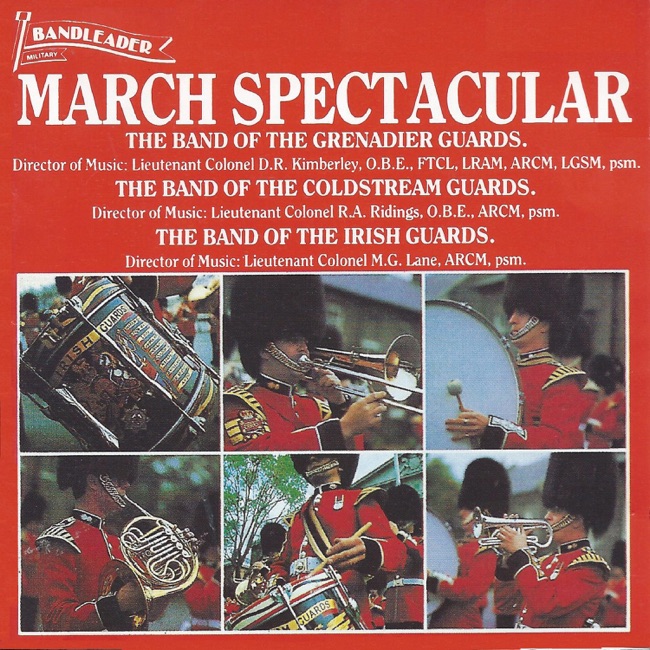 May 12, 2017
Band
-
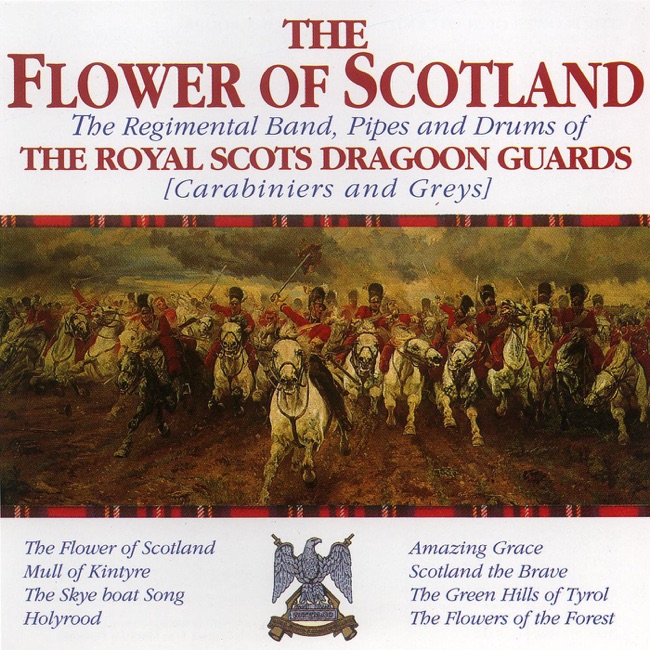 October 23, 1995
Artist Info
Role:Composer ConductorCountry: United KingdomBirth:1852 in Isle of Wight, EnglandDeath:1932 in EnglandJohn MacKenzie-Rogan was a British composer who lived from 1921 to 2007. He was born in London and grew up in a musical family. His father was a professional violinist, and his mother was a pianist. From a young age, MacKenzie-Rogan showed a talent for music, and he began studying the piano and violin at the age of six. MacKenzie-Rogan's musical education continued at the Royal Academy of Music in London, where he studied composition with William Alwyn and conducting with Sir Adrian Boult. He also studied at the Paris Conservatoire with Nadia Boulanger, who was known for her teaching of many famous composers, including Aaron Copland and Philip Glass. MacKenzie-Rogan's early compositions were influenced by the neoclassical style of Stravinsky and the French composers of the early 20th century. His first major work was a ballet called "The Enchanted Garden," which was performed by the Sadler's Wells Ballet in 1949. The ballet was well-received, and it helped establish MacKenzie-Rogan as a promising young composer. In the 1950s, MacKenzie-Rogan began to experiment with serialism, a compositional technique that uses a series of pitches to create a musical structure. His use of serialism can be heard in works such as his String Quartet No. 1 and his Piano Sonata No. 1. However, MacKenzie-Rogan did not fully embrace serialism, and he continued to incorporate tonal elements into his music. One of MacKenzie-Rogan's most famous works is his Symphony No. 1, which was premiered by the London Symphony Orchestra in 1960. The symphony is a large-scale work that showcases MacKenzie-Rogan's skill as an orchestrator. It is a complex and challenging piece that requires a large orchestra and a skilled conductor. MacKenzie-Rogan's music was often inspired by literature and poetry. He wrote several works based on the works of Shakespeare, including his opera "The Tempest," which was premiered by the Royal Opera House in 1973. He also wrote a song cycle based on the poetry of W.B. Yeats, which was performed by the tenor Peter Pears. In addition to his work as a composer, MacKenzie-Rogan was also a respected conductor. He conducted many of his own works, as well as the works of other composers. He was the conductor of the Scottish National Orchestra from 1957 to 1960, and he also conducted the London Symphony Orchestra and the Royal Philharmonic Orchestra. MacKenzie-Rogan's later works were more tonal and accessible than his earlier works. He wrote several works for children, including a ballet called "The Snow Queen," which was performed by the Royal Ballet School. He also wrote several works for brass band, including a suite called "The Four Seasons." MacKenzie-Rogan's music was well-regarded by critics and audiences alike. He was awarded the CBE in 1977 for his services to music, and he was made a Fellow of the Royal Academy of Music in 1981. He continued to compose and conduct until his death in 2007 at the age of 86. In conclusion, John MacKenzie-Rogan was a British composer who made significant contributions to the world of classical music. His early works were influenced by neoclassicism and serialism, but he later incorporated tonal elements into his music. He was a skilled orchestrator and conductor, and his music was often inspired by literature and poetry. His most famous work is his Symphony No. 1, which showcases his skill as a composer and orchestrator.More....
Recent Artist Music

Copyright Ⓒ 2013 Davinci Finger. All rights reseved
Service Terms & Policy