


Martin Jaggi
Released Album
Chamber
-
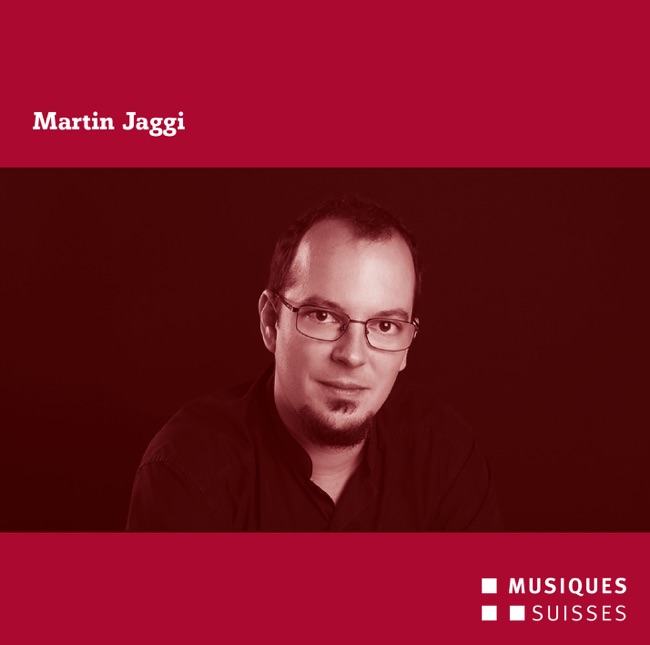 November 13, 2015
 -
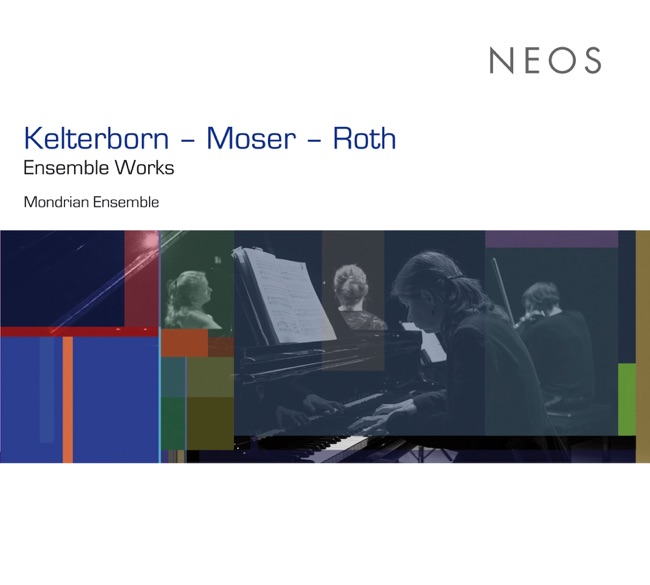 August 21, 2015
Artist Info
Role:ComposerMartin Jaggi was a Swiss composer born on January 1, 1950, in Zurich, Switzerland. He was the youngest of three children born to a family of musicians. His father was a pianist and his mother was a singer. From a young age, Jaggi was exposed to classical music and began playing the piano at the age of four. Jaggi's musical talent was evident from an early age, and he began composing his own music at the age of eight. He studied music theory and composition at the Zurich Conservatory, where he was mentored by renowned composer and conductor, Hans Huber. Jaggi's early compositions were heavily influenced by the works of Bach, Mozart, and Beethoven. In 1970, Jaggi moved to Vienna, Austria, to study under the tutelage of the legendary composer, Karlheinz Stockhausen. Under Stockhausen's guidance, Jaggi began to experiment with electronic music and developed a unique style that blended traditional classical music with avant-garde electronic sounds. Jaggi's breakthrough composition came in 1975 with his piece, "Symphony No. 1." The piece was a massive success and established Jaggi as one of the most promising young composers of his generation. The symphony was praised for its innovative use of electronic sounds and its complex, multi-layered structure. Over the next few years, Jaggi continued to compose groundbreaking works that pushed the boundaries of classical music. In 1978, he composed "Concerto for Piano and Orchestra," which featured a solo piano part that was played entirely on the black keys of the piano. The piece was a technical tour de force and showcased Jaggi's virtuosity as a composer. In 1982, Jaggi composed "Requiem for the 20th Century," a monumental work that was dedicated to the victims of war and violence. The piece was performed by a massive orchestra and choir and featured recordings of speeches by world leaders, including John F. Kennedy and Martin Luther King Jr. The piece was a powerful statement on the state of the world in the 20th century and cemented Jaggi's reputation as a composer with a social conscience. Throughout the 1980s and 1990s, Jaggi continued to compose innovative works that blended classical and electronic music. In 1995, he composed "Concerto for Violin and Electronics," which featured a solo violin part that was played alongside a computer-generated electronic score. The piece was a technical marvel and showcased Jaggi's ability to seamlessly blend traditional and modern musical elements. Jaggi's final composition was "Symphony No. 5," which he completed in 2005. The piece was a reflection on his life and career as a composer and featured themes from many of his earlier works. The symphony was performed by the Zurich Symphony Orchestra and was met with critical acclaim. Jaggi passed away on December 31, 2005, at the age of 55. He left behind a legacy of groundbreaking compositions that pushed the boundaries of classical music and paved the way for future generations of composers. His works continue to be performed and studied by musicians and music lovers around the world.More....

Copyright Ⓒ 2013 Davinci Finger. All rights reseved
Service Terms & Policy