


Johann Gottlieb Graun
Released Album
Concerto
-
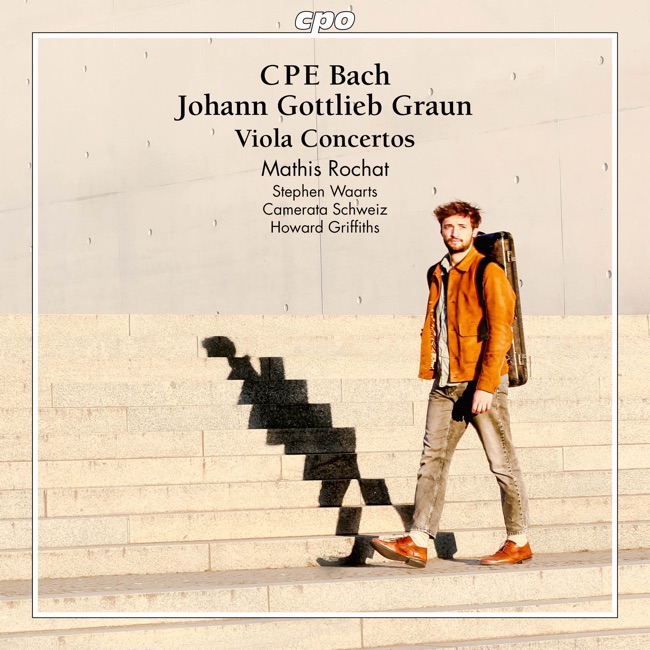 April 5, 2024
 -
 September 9, 2022
 -
 August 16, 2019
 -

-
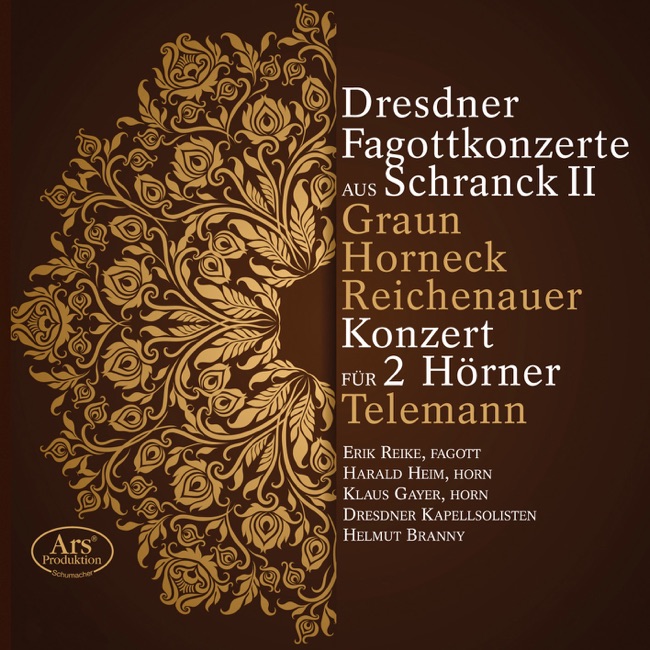 March 25, 2016
 -
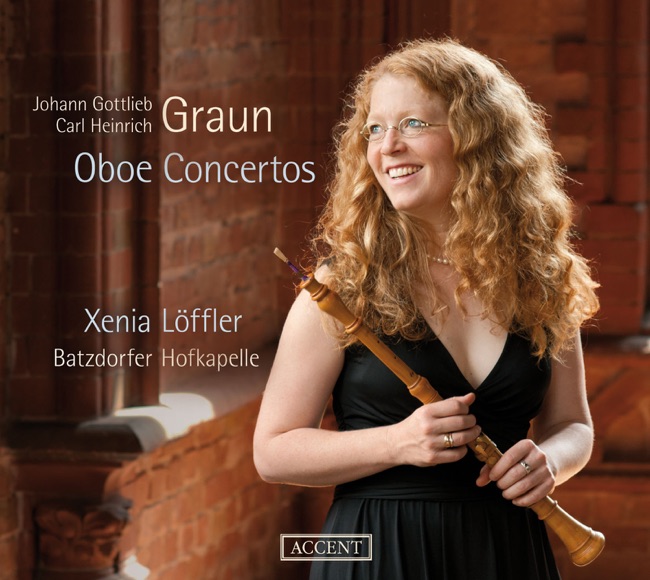 March 11, 2014
Chamber
-
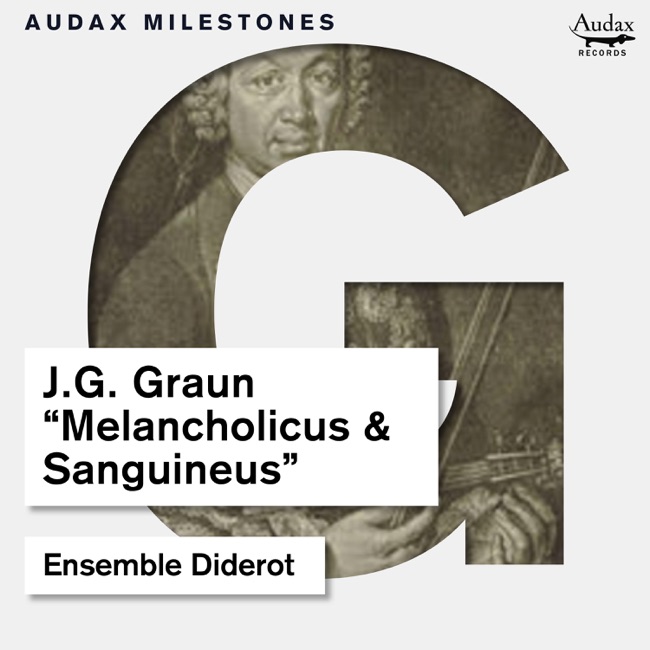 December 1, 2023
 -
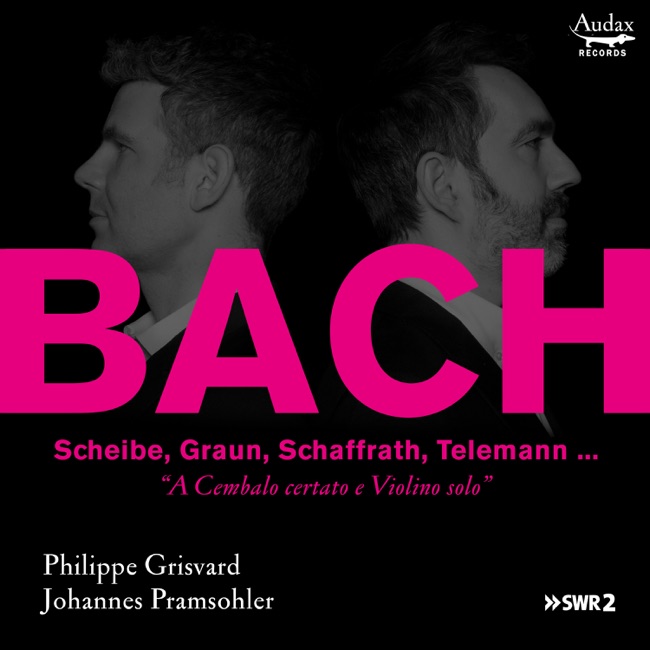 August 5, 2022
 -
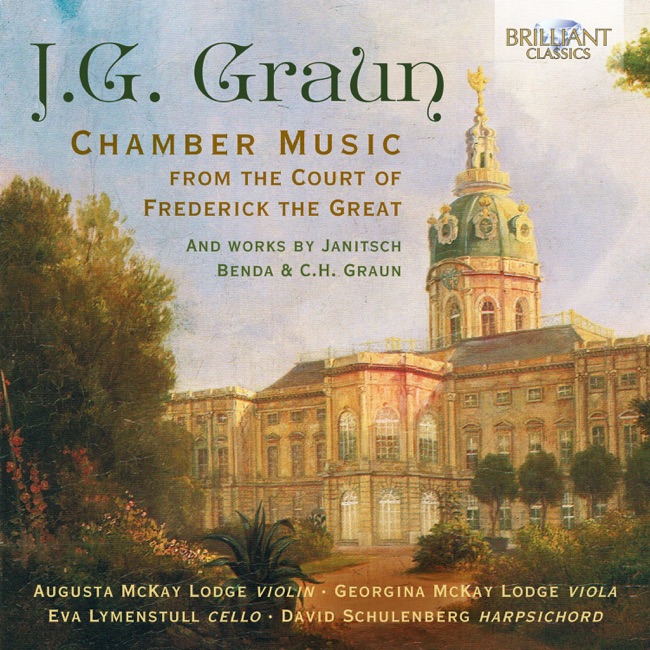
-
 April 9, 2021
 -
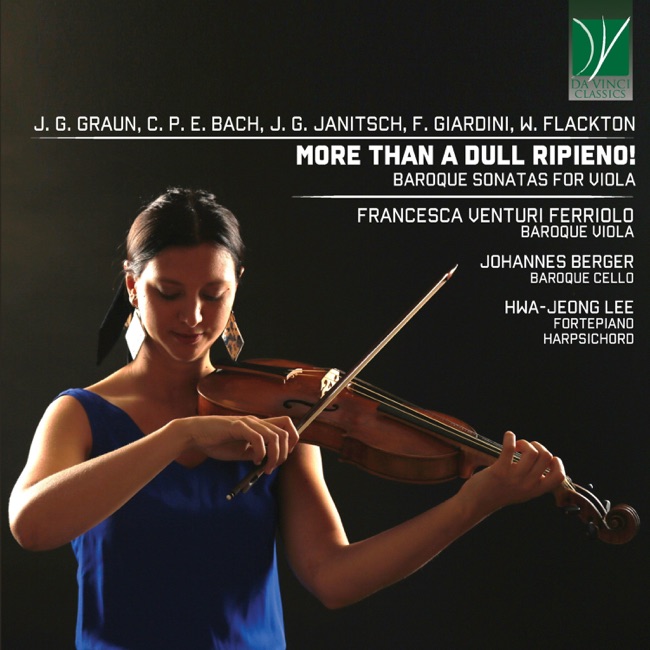
-
Orchestral
-
 January 27, 2009
Artist Info
Role:ComposerCountry: GermanyBirth:ca. 1702 in Wahrenbrück, GermanyDeath:October 27, 1771 in Berlin, GermanyPeriod:BaroqueGenre:ChamberConcertoJohann Gottlieb Graun was a German composer and violinist who lived from 1703 to 1771. He was born in Wahrenbrück, a small town in the Electorate of Saxony, and grew up in a family of musicians. His father, Johann Georg Graun, was a church musician and his older brother, Carl Heinrich Graun, was a successful opera composer. Johann Gottlieb Graun began his musical education at a young age, studying violin with his father and later with the renowned violinist Johann Georg Pisendel. He also received training in composition and music theory from his brother Carl Heinrich. In 1726, at the age of 23, he joined the court orchestra of Frederick the Great in Berlin, where he would spend the rest of his career. Graun quickly established himself as one of the leading musicians in the court orchestra, and he was soon appointed concertmaster. He also became a favorite of Frederick the Great, who was an avid music lover and a talented flutist. Graun composed numerous works for the king, including concertos, sonatas, and chamber music. One of Graun's most famous works is his Concerto for Violin and Orchestra in C major, which he composed in the 1740s. This piece is notable for its virtuosic violin writing and its use of the ritornello form, in which a recurring theme is played by the orchestra between solo sections. The concerto was widely performed during Graun's lifetime and remains a popular work in the violin repertoire today. Graun also composed a number of operas, which were performed at the court theater in Berlin. His most successful opera was Montezuma, which premiered in 1755 and was based on the story of the Aztec emperor who was conquered by the Spanish. The opera was praised for its dramatic intensity and its use of indigenous Mexican music, which was a novelty in European opera at the time. In addition to his work as a composer, Graun was also a respected violin teacher. He taught at the Royal Academy of Music in Berlin, where his students included the young Johann Joachim Quantz, who would go on to become a famous flutist and composer in his own right. Graun's music was highly regarded during his lifetime, and he was considered one of the leading composers of the mid-18th century. His works were performed throughout Europe, and he was particularly admired in France, where his music was praised for its elegance and refinement. Despite his success, Graun's life was not without its challenges. He suffered from poor health throughout his career, and he was often in financial difficulties. He also had a difficult relationship with his brother Carl Heinrich, who was jealous of his younger brother's success and often criticized his music. Johann Gottlieb Graun died in Berlin in 1771 at the age of 68. He left behind a legacy of music that continues to be admired and performed today. His works are notable for their technical virtuosity, their elegant melodies, and their dramatic intensity, and they remain an important part of the classical music repertoire.More....
Recent Artist Music
1
2:36
2
4:46
3
2:27
4
5:26
5

3:50
6
2:58
7
8:3
9

5:44
10
5:23
11
3:19
12
4:31
13

11:34
14
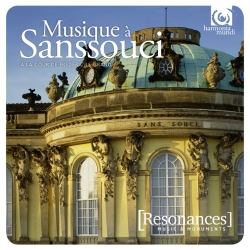
3:30
15
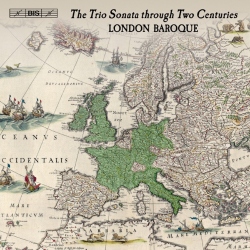
5:9

Copyright Ⓒ 2013 Davinci Finger. All rights reseved
Service Terms & Policy