


Claus-Steffen Mahnkopf
Released Album
Chamber
-
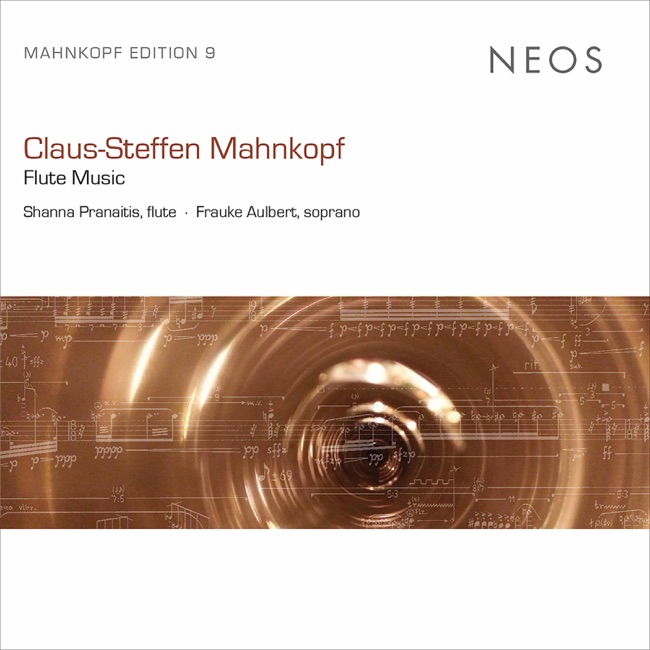 August 28, 2020
 -
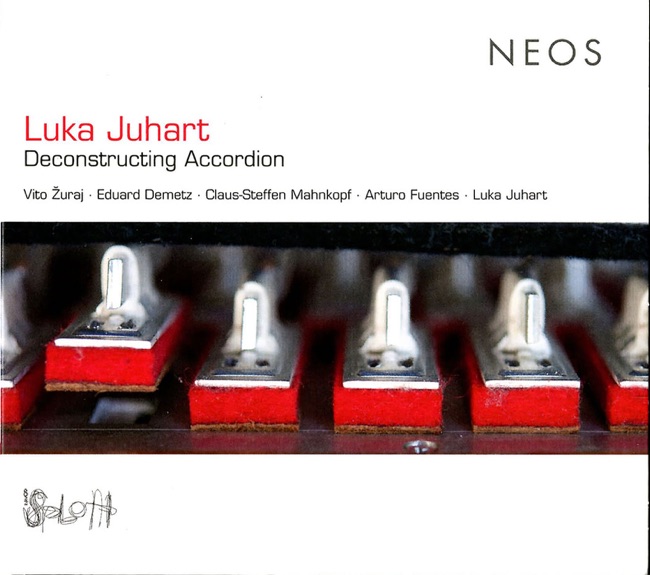 September 25, 2014
 -
 October 18, 2013
 -
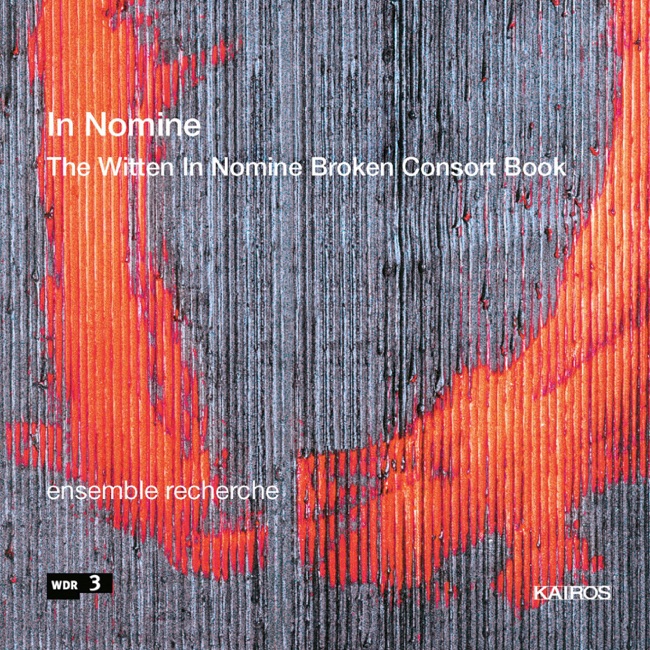 January 25, 2005
Vocal
-
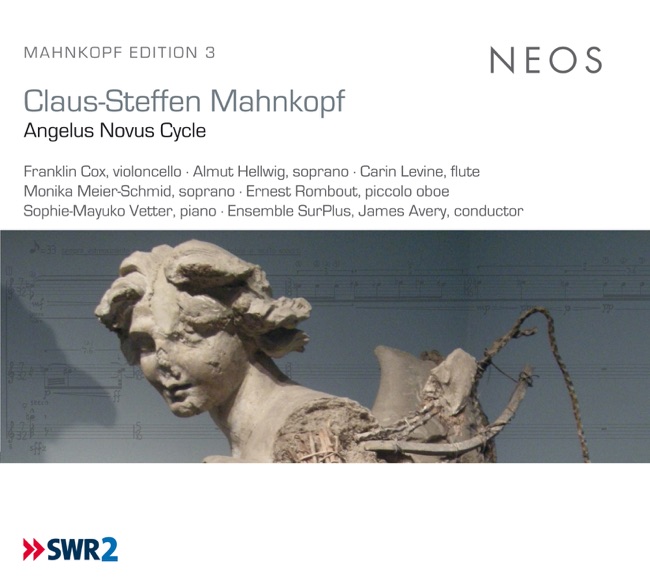 December 18, 2012
Artist Info
Role:ComposerBirth:1962Claus-Steffen Mahnkopf is a German composer and musicologist who was born on November 13, 1962, in Mannheim, Germany. He grew up in a family of musicians, with his father being a composer and his mother a pianist. Mahnkopf began playing the piano at a young age and showed an early interest in music composition. Mahnkopf studied music composition at the Hochschule für Musik und Theater in Munich, where he received his diploma in 1988. He then went on to study musicology at the Ludwig Maximilian University of Munich, where he received his Ph.D. in 1994. During his studies, Mahnkopf was influenced by the works of Arnold Schoenberg, Anton Webern, and Alban Berg, who were part of the Second Viennese School. Mahnkopf's compositions are known for their complexity and use of serialism, a technique that involves the use of a series of musical notes to create a composition. His works often feature intricate rhythms, unconventional harmonies, and unconventional instrumentation. Mahnkopf's music has been performed by some of the world's leading orchestras, including the Berlin Philharmonic, the London Symphony Orchestra, and the New York Philharmonic. One of Mahnkopf's most notable works is his opera "Ayasofya," which was premiered in 2012 at the Munich Biennale. The opera is based on the history of the Hagia Sophia, a former Christian cathedral that was converted into a mosque in the 15th century. The work explores the themes of religious conflict and cultural identity and features a libretto by Turkish writer and poet Murathan Mungan. Another notable work by Mahnkopf is his "String Quartet No. 3," which was premiered in 2005 by the Arditti Quartet. The work is known for its use of microtonality, a technique that involves the use of intervals smaller than the traditional half-step. The piece is also notable for its use of extended techniques, such as bowing the strings with a glass rod. Mahnkopf has also written several works for orchestra, including his "Symphony No. 3," which was premiered in 2011 by the Berlin Philharmonic. The work is known for its use of complex rhythms and unconventional harmonies and features a large orchestra with a percussion section that includes a marimba, vibraphone, and glockenspiel. In addition to his work as a composer, Mahnkopf is also a musicologist and has written extensively on the music of the Second Viennese School. He has published several books on the subject, including "Arnold Schoenberg's Journey" and "The Second Viennese School: A Guide to the Music of the Early 20th Century." Mahnkopf has received numerous awards and honors for his work as a composer, including the Ernst von Siemens Music Prize in 2017. He has also been a guest lecturer at several universities, including Harvard University and the University of California, Berkeley. In conclusion, Claus-Steffen Mahnkopf is a highly regarded composer and musicologist who has made significant contributions to the world of classical music. His works are known for their complexity and use of serialism, and he has written extensively on the music of the Second Viennese School. Mahnkopf's compositions have been performed by some of the world's leading orchestras, and he has received numerous awards and honors for his work.More....
Recent Artist Music
1
3:31
Copyright Ⓒ 2013 Davinci Finger. All rights reseved
Service Terms & Policy