


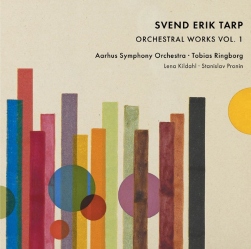
Svend Erik Tarp
Released Album
Orchestral
-
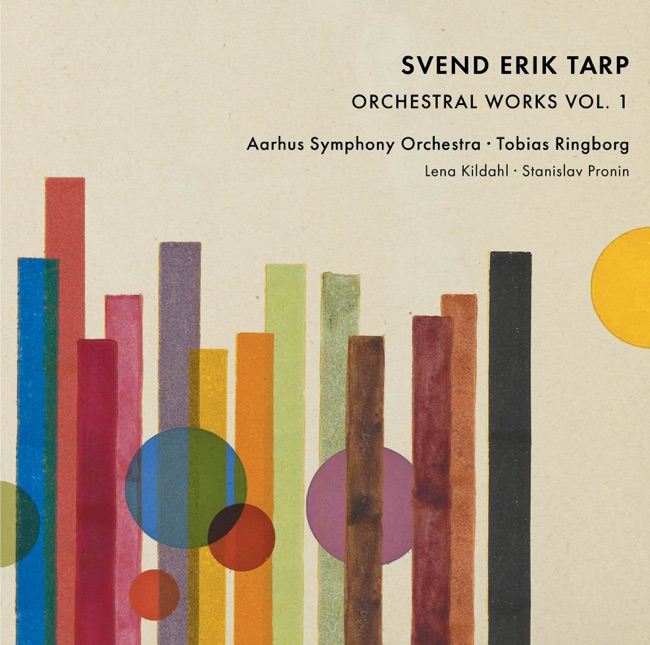 June 15, 2018
 -
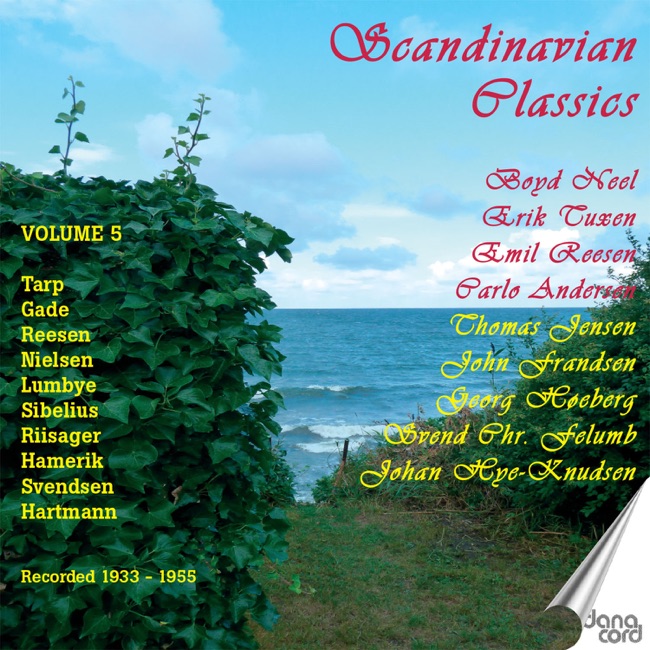 July 17, 2015
Keyboard
-
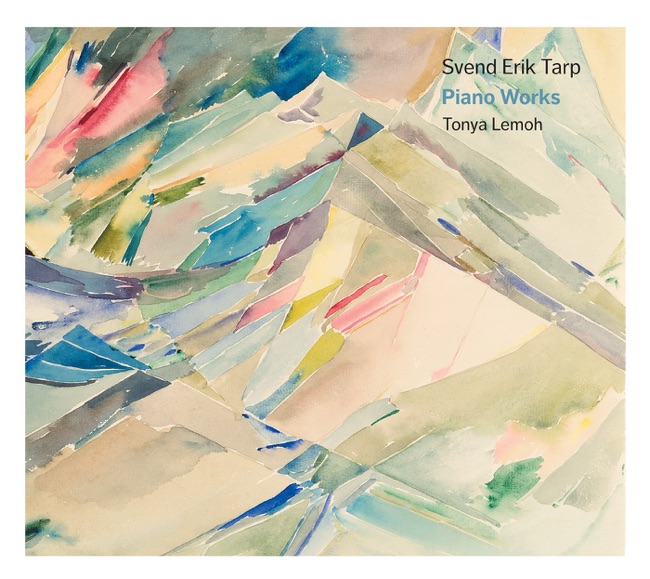 June 28, 2011
 -
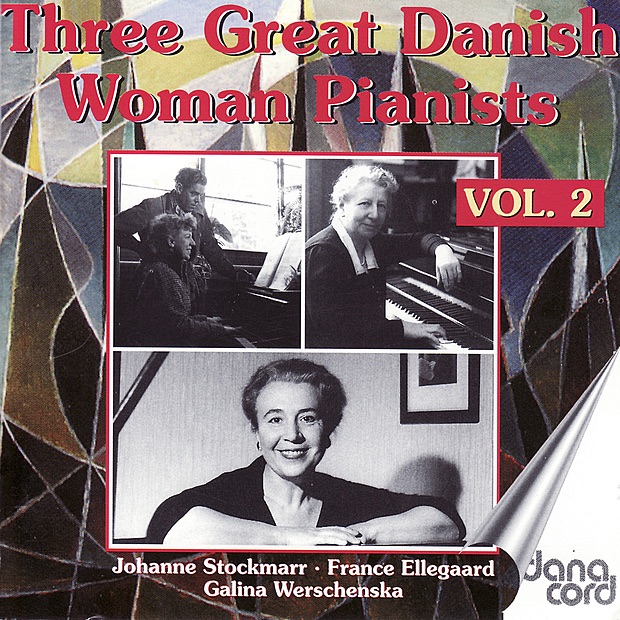 October 1, 1999
Vocal
-
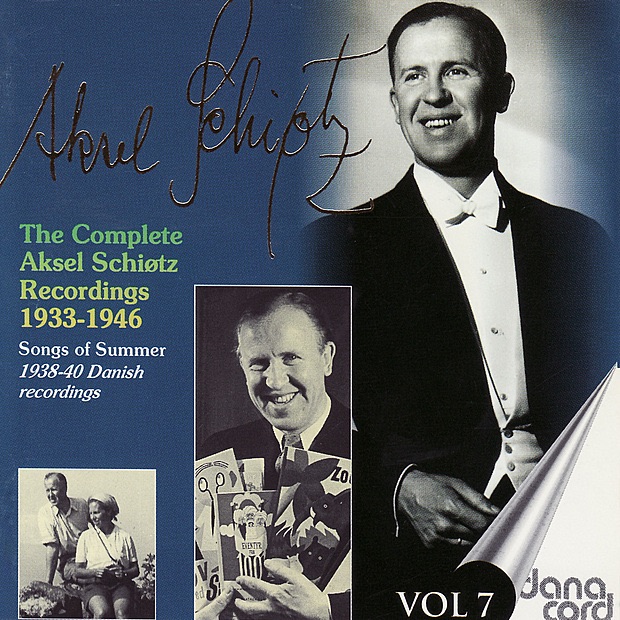 January 5, 1998
Artist Info
Role:ComposerCountry: DenmarkBirth:August 6, 1908 in Thisted, JutlandDeath:1994Period:ModernGenre:ChamberChoralConcertoKeyboardSymphonyVocalSvend Erik Tarp was a Danish composer born on September 22, 1908, in Aarhus, Denmark. He was the son of a music teacher and grew up in a musical family. Tarp began playing the piano at a young age and showed a natural talent for music. He later studied at the Royal Danish Academy of Music in Copenhagen, where he was taught by the renowned composer Carl Nielsen. Tarp's early compositions were heavily influenced by Nielsen's style, but he soon developed his own unique voice. His music was characterized by its lyricism, clarity, and emotional depth. Tarp was particularly skilled at writing for the orchestra, and his works often featured lush, sweeping melodies and rich harmonies. Tarp's career as a composer began in earnest in the 1930s, when he began to receive commissions for his music. One of his earliest works was the Symphony No. 1, which was premiered in 1935. The symphony was well-received and helped establish Tarp as a major figure in Danish music. Throughout the 1930s and 1940s, Tarp continued to compose prolifically, producing a wide range of works for orchestra, chamber ensemble, and solo instruments. Some of his most notable works from this period include the Concerto for Violin and Orchestra (1939), the Symphony No. 2 (1942), and the String Quartet No. 1 (1944). Tarp's music was often inspired by the natural beauty of Denmark, and he frequently incorporated folk melodies and rhythms into his compositions. He was also deeply influenced by the music of J.S. Bach, and his works often featured intricate counterpoint and complex harmonic structures. In the 1950s, Tarp's music began to receive international recognition. His Symphony No. 3, which was premiered in 1951, was performed by the London Philharmonic Orchestra and received critical acclaim. Tarp also began to receive commissions from orchestras and ensembles outside of Denmark, including the BBC Symphony Orchestra and the Royal Philharmonic Orchestra. One of Tarp's most famous works is the Concerto for Trumpet and Orchestra, which was composed in 1955. The concerto is a virtuosic showcase for the trumpet, and it has become a staple of the trumpet repertoire. The piece is notable for its soaring melodies and intricate interplay between the soloist and the orchestra. Tarp continued to compose throughout the 1960s and 1970s, producing a wide range of works for orchestra, chamber ensemble, and solo instruments. Some of his most notable works from this period include the Symphony No. 4 (1960), the String Quartet No. 3 (1965), and the Concerto for Piano and Orchestra (1972). Tarp's music was highly regarded by his contemporaries, and he was widely recognized as one of Denmark's leading composers. He received numerous awards and honors throughout his career, including the Carl Nielsen Prize in 1968 and the Order of the Dannebrog in 1978. Tarp died on January 1, 1994, at the age of 85. His legacy as a composer continues to be celebrated in Denmark and around the world, and his music remains an important part of the classical repertoire.More....
Recent Artist Music
1
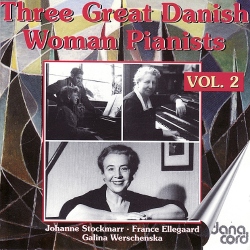
Mosaic, Op. 31
Sækkepipen (The Bag Pipe) / Fløjte-og Basunduet (Duo for Flute and Trombone) / Foxtrot / Galop
3:7
2
2:11
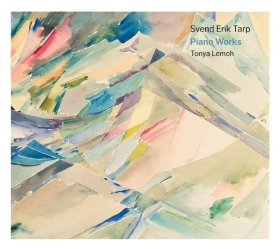
5
Den dethroned by Dyretæmmer (The Dethroned Animal Tamer), Op. 38
Cirkuskapellet spiller Op. (The Circus Orchestra Stikes Up). Marcia vivace
1:33
6
4:13
Copyright Ⓒ 2013 Davinci Finger. All rights reseved
Service Terms & Policy