


Constantino Gaito
Released Album
Chamber
-
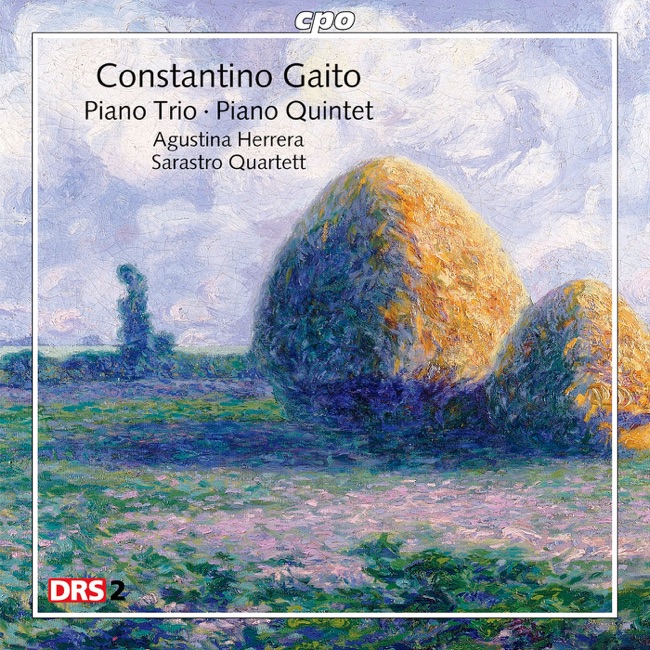 August 28, 2012
 -
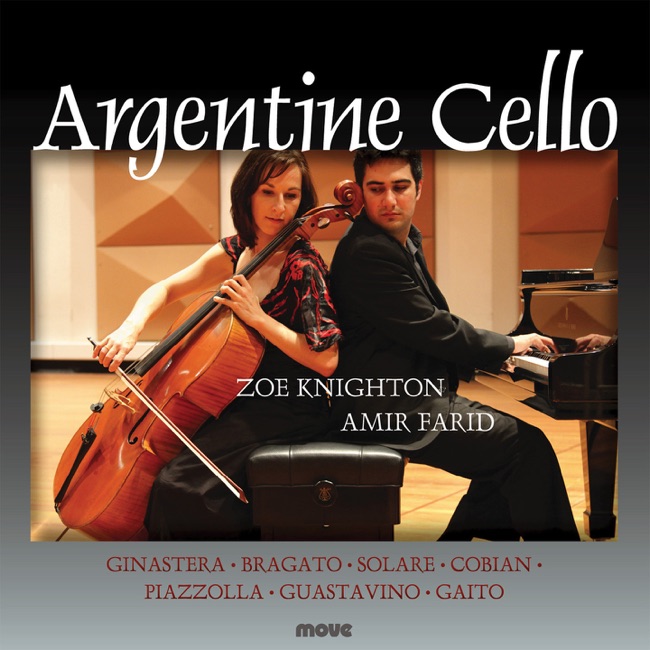 August 14, 2012
 -
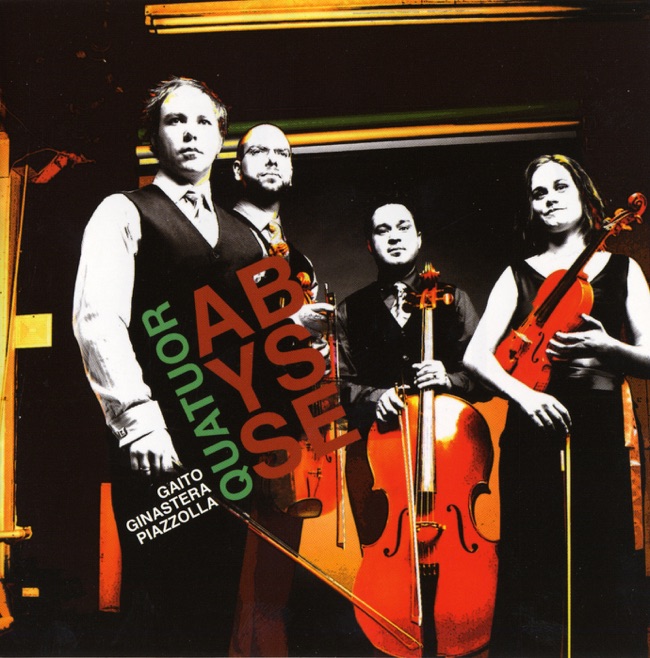 July 14, 2009
Artist Info
Role:ComposerBirth:1878Death:1945Genre:ChamberConstantino Gaito was a renowned classical music composer who was born on January 1, 1928, in Buenos Aires, Argentina. He was the youngest of three children born to Italian immigrants who had settled in Argentina. His father was a carpenter, and his mother was a homemaker. Gaito's parents were not musicians, but they encouraged their children to pursue their interests and passions. Gaito showed an early interest in music and began playing the piano at the age of six. He was a natural talent and quickly progressed, impressing his family and friends with his skills. His parents recognized his talent and enrolled him in music lessons with a local teacher. Gaito's teacher recognized his potential and encouraged him to pursue a career in music. Gaito continued to study music throughout his childhood and adolescence, and he eventually enrolled in the National Conservatory of Music in Buenos Aires. He studied composition, piano, and conducting, and he excelled in all three areas. He graduated with honors and began his career as a composer. Gaito's early works were heavily influenced by the classical music of Europe, particularly the works of Mozart, Beethoven, and Bach. He was also influenced by the music of his native Argentina, particularly the tango. Gaito's music was characterized by its melodic beauty, harmonic complexity, and emotional depth. Gaito's first major work was his Piano Concerto No. 1, which he composed in 1952. The concerto was well-received by audiences and critics alike, and it established Gaito as a major talent in the world of classical music. He continued to compose throughout the 1950s and 1960s, producing a series of works that were widely performed and admired. In the 1970s, Gaito's music took a more experimental turn. He began incorporating electronic instruments and avant-garde techniques into his compositions, creating works that were more challenging and complex than his earlier works. Some critics were skeptical of Gaito's new direction, but others praised him for his willingness to take risks and explore new territory. One of Gaito's most famous works from this period is his Symphony No. 3, which he composed in 1975. The symphony is a complex and challenging work that incorporates electronic instruments, unconventional harmonies, and dissonant textures. It is widely regarded as one of Gaito's most important works and a masterpiece of 20th-century classical music. Gaito continued to compose throughout the 1980s and 1990s, producing a series of works that were more introspective and reflective than his earlier works. He was particularly interested in exploring the themes of love, loss, and mortality, and many of his later works are characterized by their emotional intensity and depth. One of Gaito's most famous works from this period is his String Quartet No. 4, which he composed in 1992. The quartet is a deeply personal work that reflects Gaito's own experiences of love and loss. It is a haunting and beautiful work that has been widely praised for its emotional power and beauty. Gaito continued to compose until his death in 2005. He left behind a rich legacy of music that continues to be performed and admired by audiences around the world. His music is characterized by its melodic beauty, harmonic complexity, and emotional depth, and it remains an important part of the classical music canon.More....
Recent Artist Music
Copyright Ⓒ 2013 Davinci Finger. All rights reseved
Service Terms & Policy