


Michael Byron
Released Album
Keyboard
-
 March 11, 2014
 -
 September 9, 2008
 -
 June 24, 2008
Chamber
-
 February 14, 2017
 -
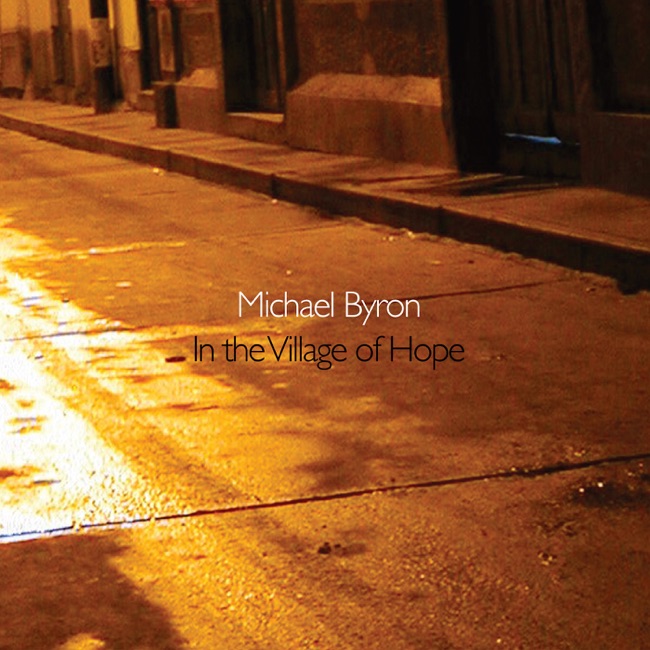 September 4, 2015
 -
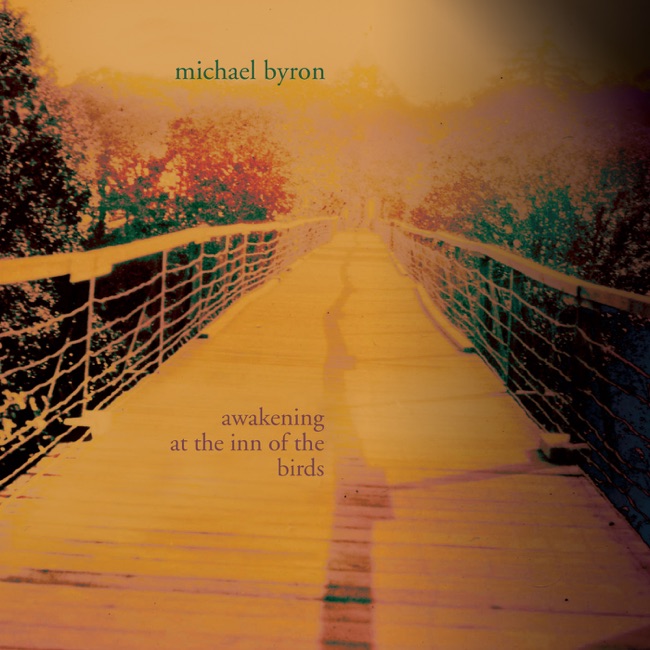 October 8, 2007
 -
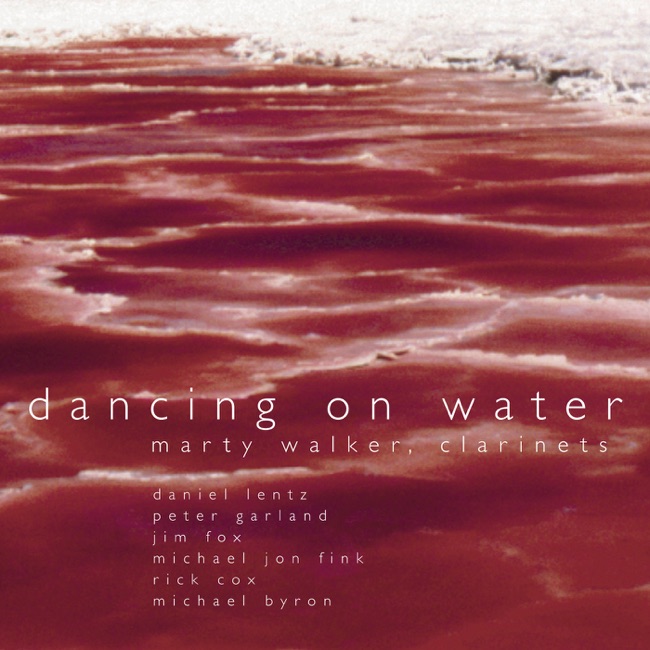 June 5, 2001
Opera
-
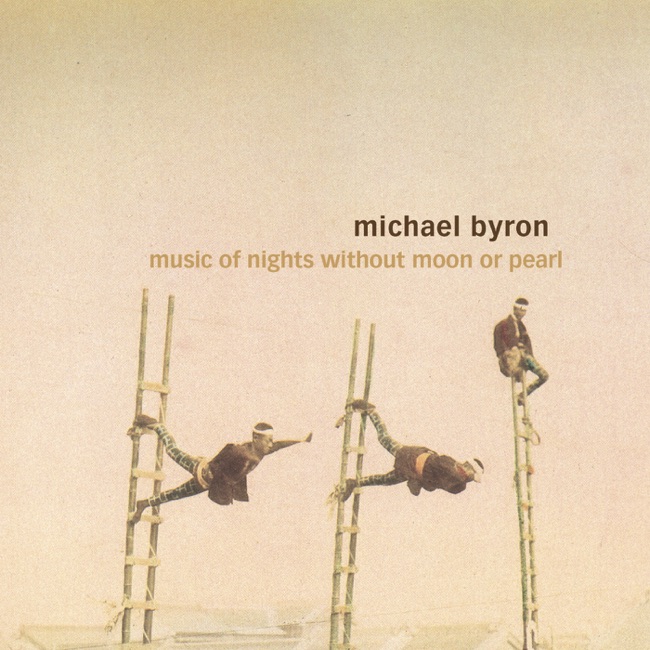 November 1, 2000
Artist Info
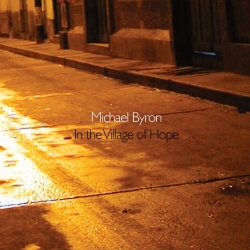
Role:Composer PerformerBirth:September 7, 1953 in Chicago, ILGenre:ChamberKeyboardOperaOrchestralMichael Byron is an American composer who was born on December 7, 1953, in Lafayette, Indiana. He grew up in a musical family, with his father being a jazz pianist and his mother a classical pianist. Byron began playing the piano at a young age and showed a natural talent for music. He went on to study music at Indiana University, where he received his Bachelor of Music degree in 1976. After completing his undergraduate studies, Byron moved to New York City to pursue a career in music. He quickly became involved in the city's avant-garde music scene, which was thriving at the time. He began composing his own music and performing in various venues throughout the city. Byron's early works were heavily influenced by the minimalist music of composers like Steve Reich and Philip Glass. His compositions often featured repetitive patterns and simple harmonic structures. However, as he continued to develop his style, he began to incorporate more complex harmonies and rhythms into his music. One of Byron's most notable works from this period is his 1981 composition "Tidal," which was commissioned by the Kitchen, a prominent New York City arts organization. The piece is scored for two pianos and percussion and features a constantly shifting rhythmic pattern that evokes the ebb and flow of the ocean. In the mid-1980s, Byron began to incorporate electronic instruments and computer technology into his compositions. This allowed him to create more complex and layered textures in his music. One of his most significant works from this period is his 1986 composition "Fabric for String Noise," which was commissioned by the Kronos Quartet. The piece features a dense, swirling texture created by layering multiple recordings of the quartet's performance. Throughout the 1990s and 2000s, Byron continued to explore new musical territories. He began to incorporate elements of jazz and rock music into his compositions, as well as more experimental techniques like improvisation and aleatoric (chance-based) composition. One of his most notable works from this period is his 2003 composition "In the Village of Hope," which was commissioned by the Bang on a Can All-Stars. The piece features a driving, rhythmic pulse and incorporates elements of jazz and rock music. Byron's music has been performed by many prominent ensembles and musicians, including the Kronos Quartet, the Bang on a Can All-Stars, and pianist Ursula Oppens. He has received numerous awards and honors for his work, including a Guggenheim Fellowship in 1991 and a grant from the National Endowment for the Arts in 2005. In addition to his work as a composer, Byron has also been active as a teacher and mentor. He has taught at several universities, including the California Institute of the Arts and the University of California, San Diego. He has also served as a mentor to many young composers, including the members of the Bang on a Can All-Stars. Overall, Michael Byron is a highly respected and influential composer who has made significant contributions to the world of contemporary classical music. His work is characterized by its innovative use of technology, its incorporation of diverse musical influences, and its commitment to pushing the boundaries of traditional musical forms.More....

Copyright Ⓒ 2013 Davinci Finger. All rights reseved
Service Terms & Policy