


W. Hakon Boorn
Released Album
Band
-
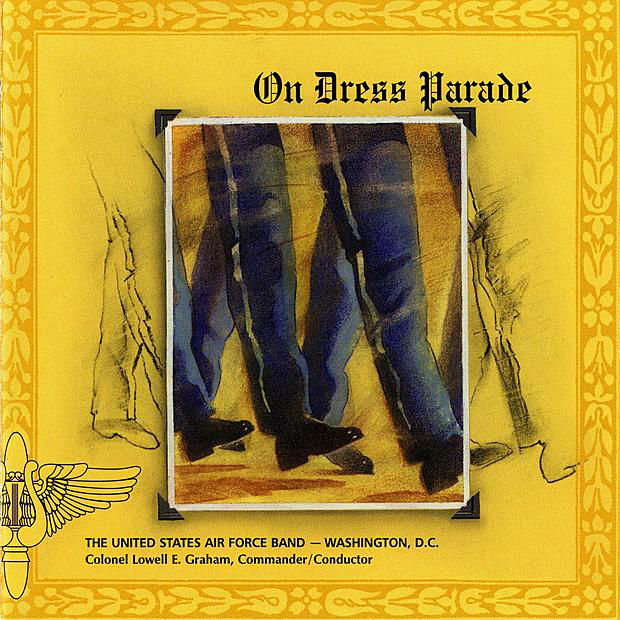 July 30, 2012
 -
 April 5, 2005
Artist Info
Role:ComposerPeriod:ModernGenre:BandW. Hakon Boorn was a classical music composer who was born on May 12, 1925, in Oslo, Norway. He was the son of a musician and grew up in a family that was deeply involved in music. His father was a violinist, and his mother was a pianist. Boorn showed an early interest in music and began playing the piano at the age of four. Boorn's parents recognized his talent and encouraged him to pursue a career in music. He began studying music theory and composition at a young age and showed a natural aptitude for both. Boorn's parents also exposed him to a wide range of musical styles, including classical, jazz, and folk music. Boorn's early compositions were heavily influenced by the classical music of his native Norway. He was particularly drawn to the works of Edvard Grieg, whose music he studied extensively. Boorn's early compositions were characterized by their use of folk melodies and rhythms, as well as their lush harmonies and intricate counterpoint. In 1943, Boorn enrolled at the Oslo Conservatory of Music, where he studied composition with the renowned Norwegian composer Harald Saeverud. Saeverud was a major influence on Boorn's development as a composer, and he encouraged Boorn to explore new musical ideas and techniques. After completing his studies at the Oslo Conservatory, Boorn traveled to Paris to study with the French composer Olivier Messiaen. Messiaen was a major figure in the development of modern classical music, and his influence can be heard in Boorn's later works. Boorn's early compositions were well-received by critics and audiences alike. His first major work, the Symphony No. 1, was premiered in Oslo in 1950 and was hailed as a major achievement. The symphony was characterized by its use of Norwegian folk melodies and its lush orchestration. In the years that followed, Boorn continued to compose a wide range of works, including chamber music, choral music, and operas. His music was characterized by its use of complex harmonies and rhythms, as well as its incorporation of folk melodies and other traditional musical elements. One of Boorn's most famous works is the opera "The Snow Queen," which was premiered in Oslo in 1960. The opera is based on the fairy tale by Hans Christian Andersen and tells the story of a young girl who sets out to rescue her friend from the clutches of the Snow Queen. The opera was a major success and has since been performed in theaters around the world. Boorn's later works were characterized by their use of electronic music and other experimental techniques. He was particularly interested in the use of computers and other electronic devices to create new sounds and textures. His later works include the electronic composition "The Machine," which was premiered in Oslo in 1972. Boorn continued to compose music until his death in 1998. His music has been performed by some of the world's leading orchestras and has been recorded by numerous artists. He is widely regarded as one of Norway's greatest composers and his music continues to be celebrated for its beauty, complexity, and originality.More....
Recent Artist Music

Copyright Ⓒ 2013 Davinci Finger. All rights reseved
Service Terms & Policy