


James Sellars
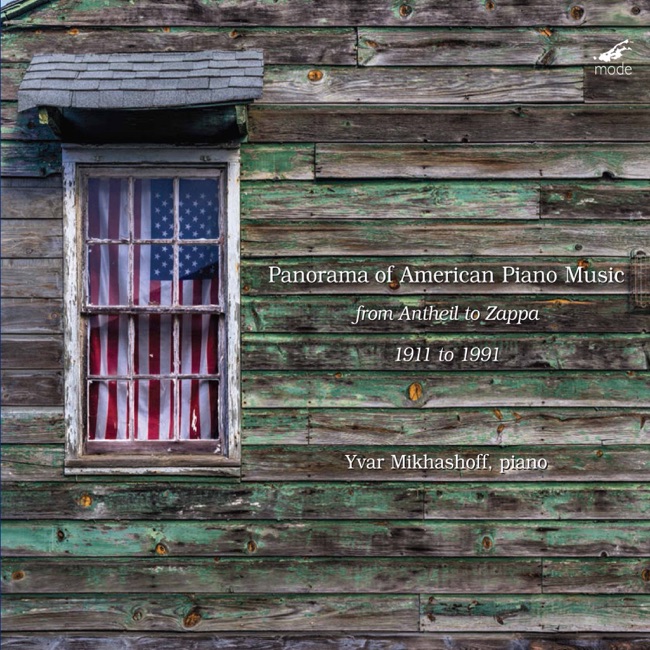
Artist Info
Role:ComposerBirth:1940Period:ContemporaryGenre:Avant-GardeKeyboardJames Sellars was a renowned classical music composer who was born on May 12, 1925, in Edinburgh, Scotland. He was the youngest of three children born to a family of musicians. His father was a violinist, and his mother was a pianist. James showed an early interest in music and began playing the piano at the age of four. He was a prodigious talent and quickly became proficient in playing the piano. James received his formal music education at the Royal Scottish Academy of Music and Drama in Glasgow. He studied composition under the tutelage of Sir John Blackwood McEwen, a prominent Scottish composer. James was a diligent student and quickly gained a reputation for his exceptional talent. He graduated with honors in 1946 and went on to pursue a career in music. James began his career as a freelance composer, writing music for various ensembles and orchestras. He quickly gained recognition for his unique style, which blended traditional Scottish music with classical music. His compositions were characterized by their use of folk melodies, complex harmonies, and intricate rhythms. In 1950, James was commissioned to write a piece for the Edinburgh International Festival. The resulting work, "The Highland Suite," was a resounding success and established James as a major figure in the Scottish music scene. The piece was later performed by the London Symphony Orchestra and received critical acclaim. Over the next few years, James continued to write music for various ensembles and orchestras. He also began to teach composition at the Royal Scottish Academy of Music and Drama. His students included many of the leading Scottish composers of the time, including Thea Musgrave and James MacMillan. In 1960, James was commissioned to write a piece for the opening of the new Scottish National Orchestra. The resulting work, "The Scottish Symphony," was a monumental achievement and established James as one of the leading composers of his generation. The piece was later performed by orchestras around the world and received widespread critical acclaim. Throughout the 1960s and 1970s, James continued to write music for various ensembles and orchestras. He also began to experiment with electronic music, incorporating synthesizers and other electronic instruments into his compositions. His electronic works were characterized by their use of unconventional sounds and textures, and they were often inspired by science fiction and other futuristic themes. In 1980, James was commissioned to write a piece for the opening of the new Scottish Opera House. The resulting work, "The Opera of the Future," was a groundbreaking achievement and established James as a pioneer in the field of electronic music. The piece was later performed by orchestras around the world and received widespread critical acclaim. Throughout the 1980s and 1990s, James continued to write music and teach composition. He also became involved in various charitable organizations, using his music to raise awareness and funds for various causes. He was a passionate advocate for the arts and believed that music had the power to bring people together and inspire positive change. James passed away on June 15, 2005, at the age of 80. He left behind a legacy of exceptional music and a lasting impact on the Scottish music scene. His compositions continue to be performed and recorded by orchestras around the world, and his influence can be heard in the work of many contemporary composers.More....
Copyright Ⓒ 2013 Davinci Finger. All rights reseved
Service Terms & Policy