


Rudolf Straube
Released Album
Chamber
-
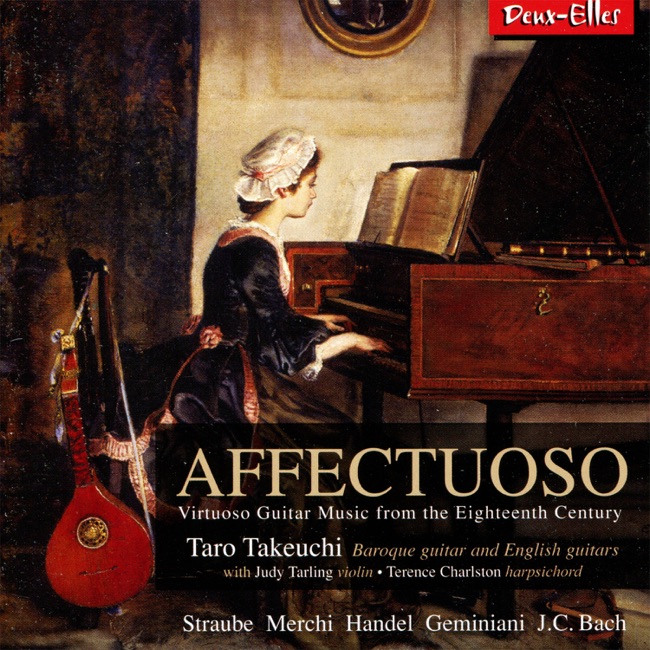
-
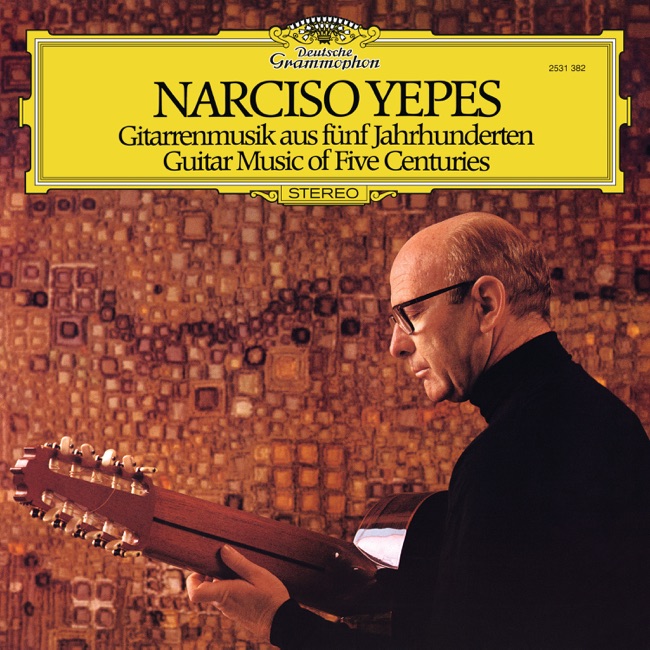 November 1, 1982
Artist Info
Role:ComposerBirth:1717Death:1785Period:ClassicalGenre:ChamberRudolf Straube was a German composer and pianist who lived from 1879 to 1950. He was born in the city of Leipzig, which was a hub of musical activity during the late 19th and early 20th centuries. Straube showed an early aptitude for music, and began studying piano and composition at a young age. Straube's musical education was extensive and varied. He studied at the Leipzig Conservatory, where he was taught by some of the most prominent musicians of the time, including Carl Reinecke and Salomon Jadassohn. He also studied with the composer Max Reger, who was known for his complex and innovative harmonies. Straube's early compositions were heavily influenced by the Romantic tradition, which was dominant in German music during the late 19th century. His works from this period are characterized by lush harmonies, sweeping melodies, and a sense of emotional intensity. Some of his most notable early works include his Piano Sonata in B-flat minor, his String Quartet in D minor, and his Symphony No. 1 in C minor. As Straube matured as a composer, he began to incorporate more modernist elements into his music. He was particularly interested in the music of Arnold Schoenberg and the Second Viennese School, which was known for its use of atonality and serialism. Straube's later works reflect this interest, and are often characterized by dissonant harmonies, complex rhythms, and a sense of fragmentation. Despite his interest in modernist techniques, Straube remained committed to the traditional forms of classical music. He wrote numerous symphonies, concertos, and chamber works, as well as vocal music and operas. His music was performed widely throughout Germany and other parts of Europe, and he was regarded as one of the leading composers of his time. One of Straube's most notable works is his Symphony No. 2 in E-flat major, which was composed in 1921. This symphony is notable for its use of complex harmonies and rhythms, as well as its incorporation of folk melodies and dance rhythms. The work was well-received by audiences and critics alike, and helped to establish Straube as a major figure in German music. Another important work by Straube is his Piano Concerto No. 1 in A minor, which was composed in 1910. This concerto is notable for its virtuosic piano writing, as well as its use of lush harmonies and sweeping melodies. The work has been performed by numerous pianists over the years, and remains a popular part of the piano concerto repertoire. In addition to his work as a composer, Straube was also an accomplished pianist. He performed extensively throughout Europe, and was known for his virtuosic technique and expressive playing. He was particularly admired for his interpretations of the music of Beethoven and Chopin, and was regarded as one of the leading pianists of his time. Despite his success as a composer and pianist, Straube's career was interrupted by the rise of the Nazi party in Germany. Straube was a vocal opponent of the Nazi regime, and his music was banned from public performance. He was forced to flee Germany in 1933, and spent the rest of his life in exile in Switzerland. Despite the difficulties he faced, Straube continued to compose throughout his life. His later works reflect his experiences as an exile, and are often characterized by a sense of longing and nostalgia. Some of his most notable works from this period include his String Quartet No. 3 in G minor and his Piano Sonata No. 3 in F-sharp minor.More....
Copyright Ⓒ 2013 Davinci Finger. All rights reseved
Service Terms & Policy