


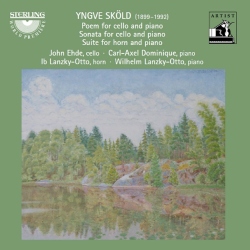
Yngve Sköld
Released Album
Chamber
-
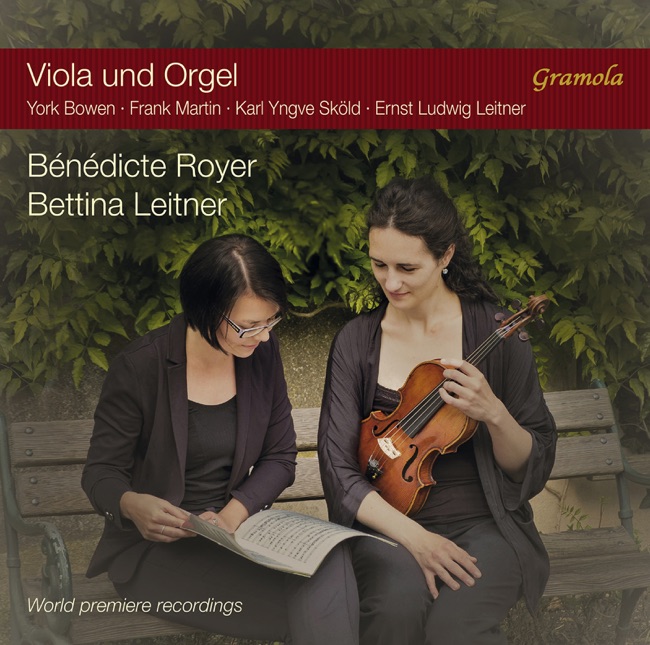 April 20, 2018
 -
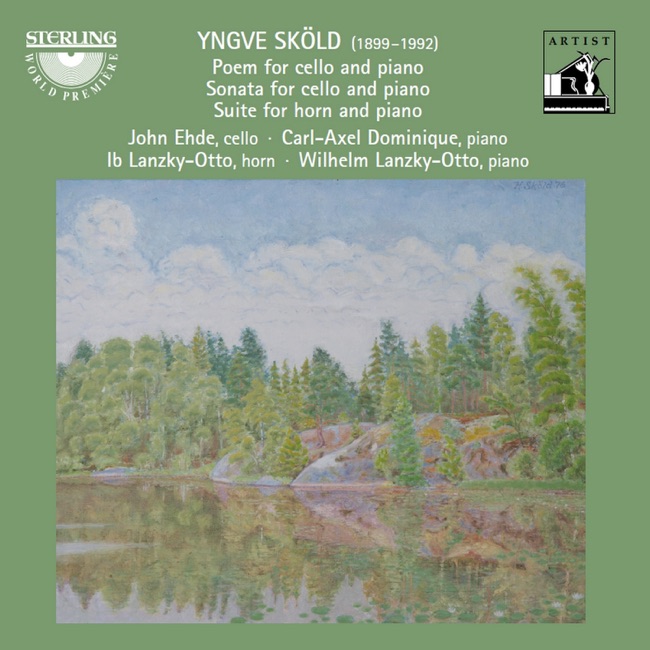
Keyboard
-
 June 10, 2014
Artist Info
Role:Composer PerformerBirth:1899Death:1992Genre:ChamberYngve Sköld was a Swedish composer who was born on October 29, 1899, in Gothenburg, Sweden. He was the son of a music teacher and grew up in a musical family. Sköld began his musical education at a young age, studying piano and violin with his father. He later studied composition with the renowned Swedish composer, Wilhelm Stenhammar. Sköld's early compositions were influenced by the Romantic style of music, but he later developed his own unique style that incorporated elements of Swedish folk music. He was particularly interested in the music of the Sami people, an indigenous group in northern Scandinavia, and incorporated their traditional melodies and rhythms into his compositions. Sköld's first major work was his Symphony No. 1, which he composed in 1927. The symphony was well-received and established Sköld as a promising young composer. He went on to compose several more symphonies, including Symphony No. 2, which was premiered in 1932 and Symphony No. 3, which was premiered in 1943. In addition to his symphonies, Sköld composed a number of other works for orchestra, including several concertos for various instruments. His Concerto for Violin and Orchestra, which was premiered in 1939, is considered one of his most important works. Sköld also composed a number of chamber music works, including string quartets and sonatas for various instruments. Sköld was also a prolific composer of choral music. He composed several cantatas, including The Song of the Earth, which was premiered in 1938 and is considered one of his most important works. He also composed a number of works for choir and orchestra, including his Requiem, which was premiered in 1958. Sköld's music was well-regarded in Sweden and he received several awards and honors throughout his career. In 1943, he was awarded the Royal Swedish Academy of Music's prize for composition. He was also awarded the Litteris et Artibus medal by the Swedish government in 1950. Despite his success in Sweden, Sköld's music was not widely known outside of his home country. However, in recent years, there has been renewed interest in his music and several of his works have been recorded and performed by orchestras and ensembles around the world. Sköld died on September 19, 1964, in Stockholm, Sweden. He left behind a legacy of music that is characterized by its unique blend of Swedish folk music and classical forms. His music continues to be celebrated in Sweden and beyond, and his contributions to the world of classical music are remembered and appreciated by music lovers and scholars alike.More....
Copyright Ⓒ 2013 Davinci Finger. All rights reseved
Service Terms & Policy