


Julio Racine
Released Album
Chamber
-
 October 23, 2020
 -

-
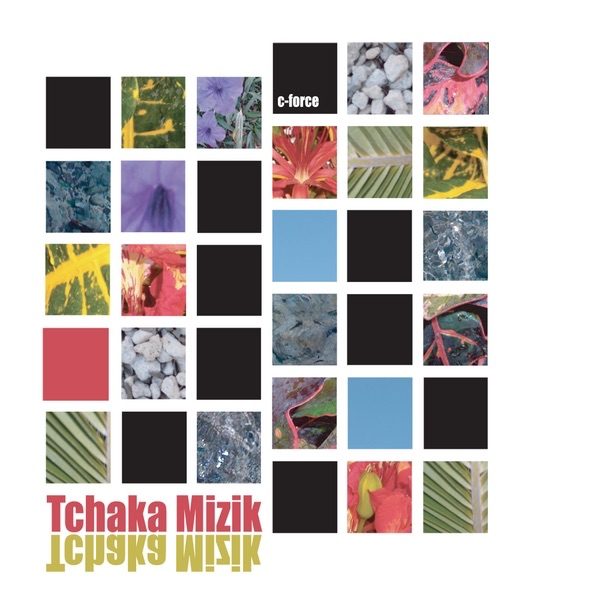 January 1, 2010
Artist Info
Role:ComposerJulio Racine was a Haitian classical music composer who was born on December 12, 1910, in Port-au-Prince, Haiti. He was the son of a well-known Haitian composer, Occide Jeanty, who was also a conductor and music teacher. Racine grew up in a musical family and was exposed to music from a young age. He began his musical education at the age of six, studying piano with his father. Racine continued his musical education at the National Conservatory of Music in Port-au-Prince, where he studied composition, harmony, and counterpoint. He also studied piano with the renowned Haitian pianist Ludovic Lamothe. Racine was a talented student and quickly became known for his musical abilities. In 1930, Racine traveled to Paris to further his musical education. He studied composition with Nadia Boulanger, who was one of the most influential music teachers of the 20th century. Boulanger recognized Racine's talent and encouraged him to pursue a career in music. Racine returned to Haiti in 1933 and began working as a music teacher and composer. He composed music for the theater, including the play "La Mulâtresse Solitude," which was based on the life of a Haitian revolutionary. Racine's music was well-received, and he quickly became known as one of Haiti's most talented composers. In 1946, Racine founded the National Symphony Orchestra of Haiti, which was the first symphony orchestra in the country. He served as the orchestra's conductor and musical director for many years. The orchestra performed many of Racine's compositions, as well as works by other Haitian composers. Racine's music was heavily influenced by Haitian folk music and culture. He incorporated elements of Haitian music into his compositions, creating a unique and distinctive sound. His music was also influenced by European classical music, particularly the works of Bach, Mozart, and Beethoven. One of Racine's most famous works is his "Symphonie en Ré," which was composed in 1950. The symphony is a tribute to Haitian culture and features elements of Haitian folk music. The work is divided into three movements, each of which represents a different aspect of Haitian culture. The first movement is titled "La Danse," and it features a lively and rhythmic dance. The second movement is titled "Le Chant," and it features a beautiful and melodic song. The third movement is titled "Le Tambour," and it features the sound of Haitian drums. Another notable work by Racine is his "Suite Haïtienne," which was composed in 1948. The suite is a collection of five pieces, each of which is based on a different Haitian folk song. The suite is a beautiful and evocative tribute to Haitian culture and music. Racine's music was not only popular in Haiti but also gained recognition internationally. His music was performed in Europe and the United States, and he was invited to conduct orchestras in both countries. Racine's music was also featured in several films, including the 1956 film "The Heart of the Matter." In addition to his work as a composer and conductor, Racine was also a music educator. He taught at the National Conservatory of Music in Port-au-Prince and mentored many young Haitian musicians. He was a passionate advocate for music education and believed that music was an essential part of Haitian culture. Julio Racine passed away on December 17, 1980, in Port-au-Prince, Haiti. He left behind a legacy of beautiful and evocative music that continues to inspire and captivate audiences today.More....


Copyright Ⓒ 2013 Davinci Finger. All rights reseved
Service Terms & Policy