


Richard May
Released Album
Choral
-
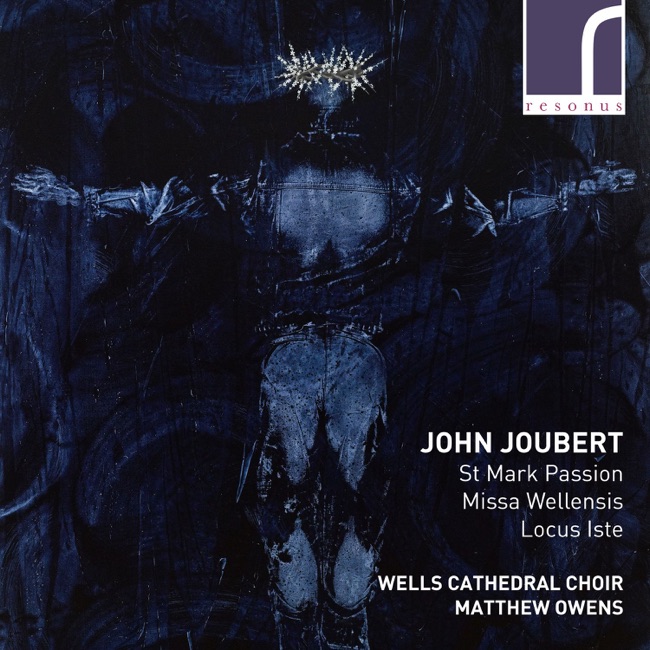 September 1, 2017
 -
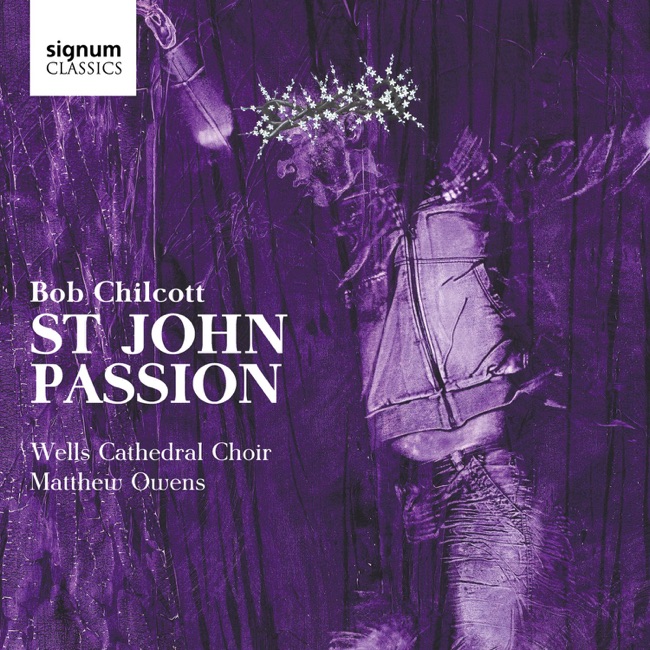 April 14, 2015
 -
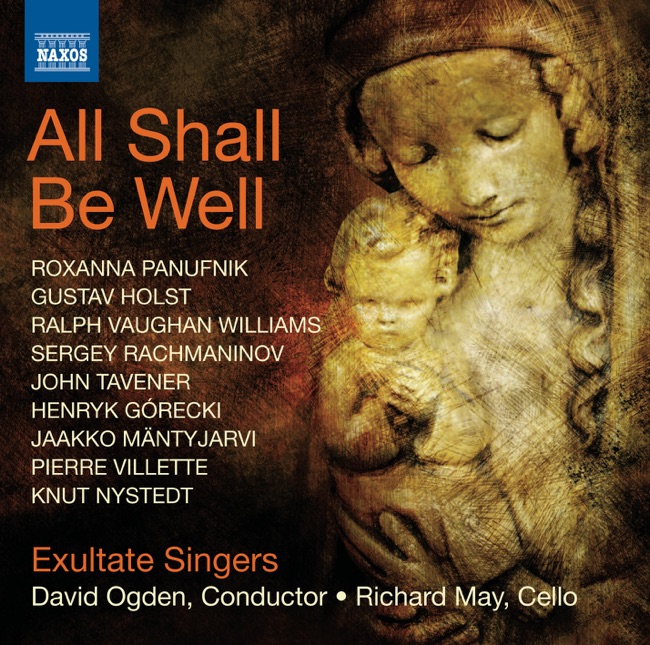 April 30, 2012
Chamber
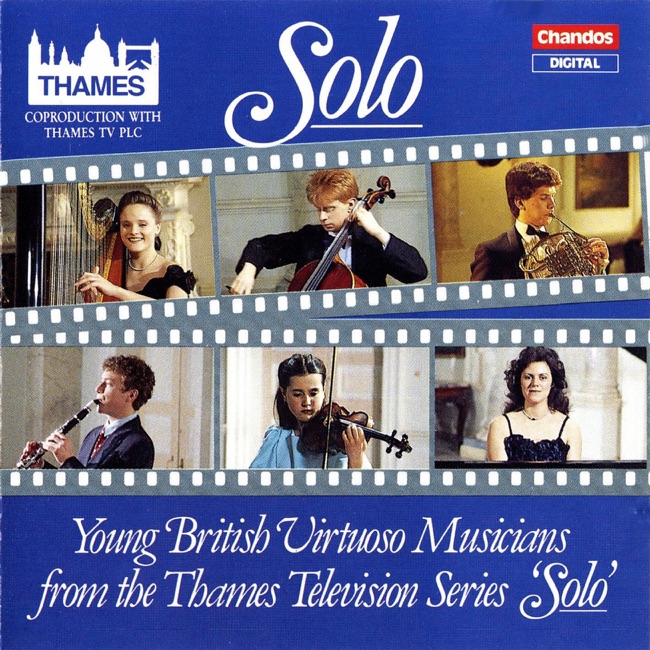
Artist Info
Richard May was a renowned classical music artist who made a significant contribution to the world of music. He was born on June 15, 1950, in London, England. May was the youngest of three children and grew up in a family that was passionate about music. His father was a pianist, and his mother was a singer, which inspired May to pursue a career in music. May's interest in music began at an early age, and he started playing the piano when he was just five years old. He showed exceptional talent and was soon performing in public. May's parents recognized his potential and encouraged him to pursue his passion for music. They enrolled him in the Royal Academy of Music in London, where he received formal training in piano and composition. May's talent and dedication to music were evident from an early age, and he quickly made a name for himself in the music world. He won several awards and accolades for his performances, including the prestigious Van Cliburn International Piano Competition in 1973. This competition was a turning point in May's career, and it opened up new opportunities for him. May's performances were known for their technical brilliance and emotional depth. He had a unique ability to connect with his audience and convey the emotions of the music he was playing. May's repertoire included works by some of the greatest composers of all time, including Beethoven, Mozart, and Chopin. May's career spanned several decades, and he performed in some of the most prestigious concert halls around the world. He was a regular performer at the Royal Albert Hall in London and the Carnegie Hall in New York. May also performed with some of the world's leading orchestras, including the London Symphony Orchestra, the New York Philharmonic, and the Berlin Philharmonic. May's performances were not limited to the concert hall. He also appeared on television and radio, and his recordings were widely acclaimed. May's recordings of Beethoven's piano sonatas are considered some of the best ever recorded, and they continue to be popular with music lovers around the world. May was not just a performer; he was also a composer. He wrote several pieces for piano, including a piano concerto that was premiered by the London Symphony Orchestra. May's compositions were influenced by the great composers of the past, but he also had a unique style that was all his own. May's career was not without its challenges. He suffered from a hand injury in the 1980s, which forced him to take a break from performing. However, he was determined to overcome this setback, and he worked hard to regain his strength and dexterity. May's perseverance paid off, and he was able to return to the stage and continue his career. May's contribution to the world of music was recognized with several awards and honors. He was awarded the Order of the British Empire in 1990 for his services to music. May was also made a Fellow of the Royal Academy of Music in 1995, and he received an honorary doctorate from the University of Oxford in 2002. May's legacy continues to inspire new generations of musicians. His recordings and performances are still widely admired, and his compositions continue to be played by pianists around the world. May's dedication to music and his exceptional talent will always be remembered as a significant contribution to the world of classical music.More....
Recent Artist Music
Copyright Ⓒ 2013 Davinci Finger. All rights reseved
Service Terms & Policy