


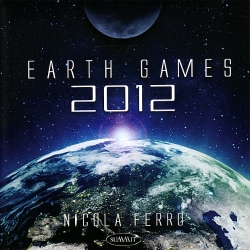
Nicola Ferro
Released Album
Vocal
-
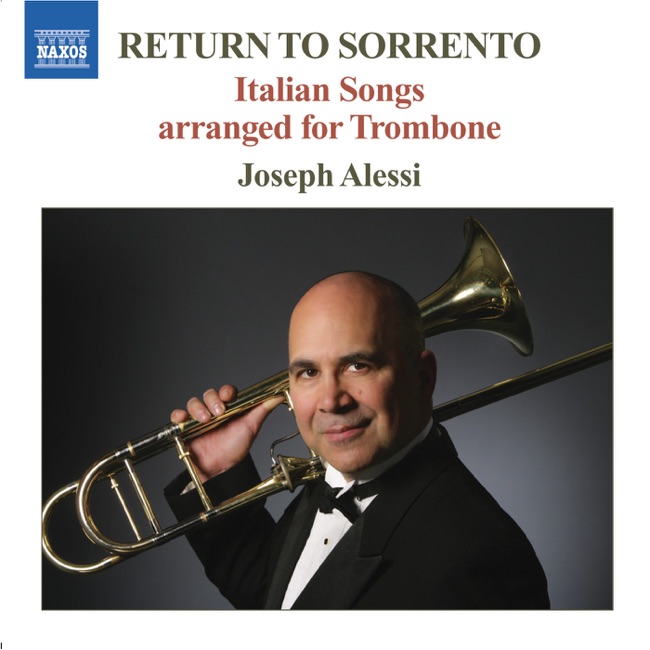 March 27, 2007
Chamber
-
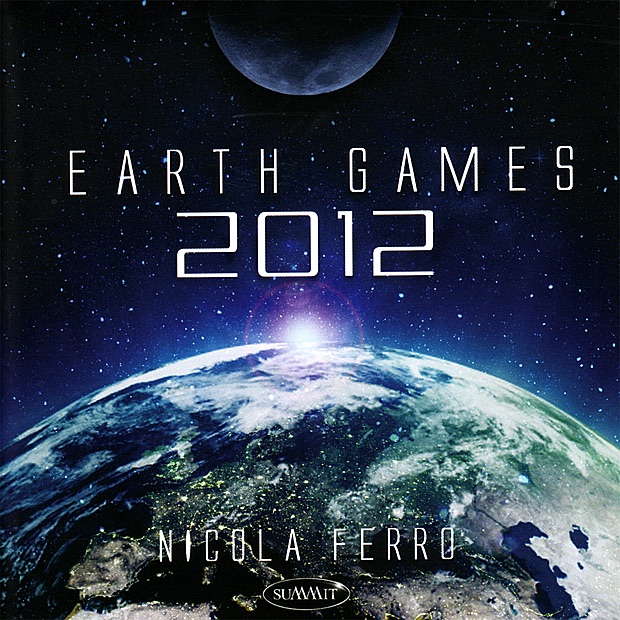 February 9, 2010
 -
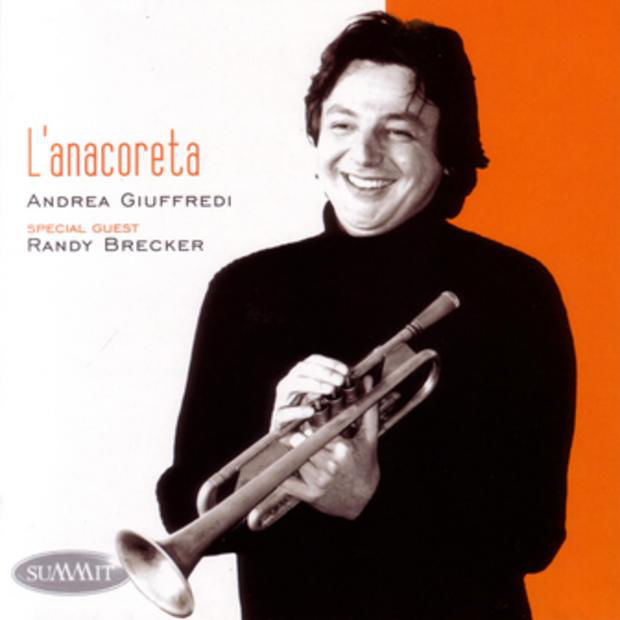 October 11, 2005
Artist Info
Role:ComposerBirth:1974 in ItalyNicola Ferro was a renowned classical music composer who was born on January 15, 1925, in Naples, Italy. He was the youngest of three children born to a family of musicians. His father was a violinist, and his mother was a pianist. From a young age, Ferro was exposed to music and began playing the piano at the age of four. Ferro's musical talent was evident from an early age, and he began studying music formally at the Naples Conservatory when he was just six years old. He studied piano, composition, and conducting, and he quickly became known for his exceptional musical abilities. By the time he was a teenager, Ferro was already composing his own music and performing in public. In 1943, Ferro's family was forced to flee Naples due to the war, and they settled in Rome. Ferro continued his musical studies at the Santa Cecilia Conservatory in Rome, where he studied with some of the most renowned composers of the time, including Goffredo Petrassi and Ildebrando Pizzetti. Ferro's early compositions were heavily influenced by the neoclassical style of composers like Stravinsky and Hindemith. However, as he matured as a composer, he began to develop his own unique style, which blended elements of neoclassicism with more modernist and avant-garde techniques. One of Ferro's most significant early works was his Piano Concerto No. 1, which he composed in 1950. The concerto was premiered in Rome the following year, and it was immediately hailed as a masterpiece. The concerto showcased Ferro's exceptional talent as a composer and pianist, and it helped to establish him as one of the leading composers of his generation. Throughout the 1950s and 1960s, Ferro continued to compose prolifically, producing a wide range of works in various genres, including symphonies, chamber music, and operas. One of his most significant works from this period was his Symphony No. 1, which he composed in 1955. The symphony was premiered in Rome the following year, and it was widely praised for its innovative use of orchestration and harmony. In the 1970s, Ferro's music began to take on a more experimental and avant-garde character. He began incorporating electronic music and other non-traditional elements into his compositions, and he became increasingly interested in exploring the boundaries between different musical genres. One of Ferro's most significant works from this period was his opera "The Tower," which he composed in 1974. The opera was a groundbreaking work that blended elements of opera, theater, and electronic music. It was premiered in Rome to critical acclaim, and it helped to establish Ferro as one of the leading avant-garde composers of his time. In the 1980s and 1990s, Ferro continued to compose prolifically, producing a wide range of works in various genres. He also became increasingly interested in exploring the intersections between music and other art forms, such as literature and visual art. One of Ferro's most significant works from this period was his Symphony No. 5, which he composed in 1990. The symphony was a complex and multi-layered work that blended elements of neoclassicism, modernism, and avant-garde techniques. It was premiered in Rome to critical acclaim, and it helped to establish Ferro as one of the most important composers of his generation. Throughout his career, Ferro received numerous awards and honors for his contributions to music.More....
Recent Artist Music
Copyright Ⓒ 2013 Davinci Finger. All rights reseved
Service Terms & Policy