


Barry Conyngham
Released Album
Ballet
-
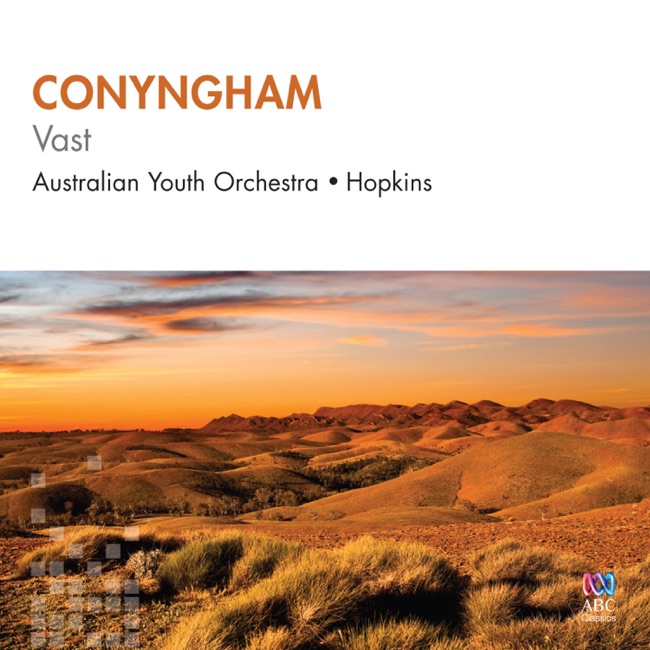 January 17, 2018
Orchestral
-
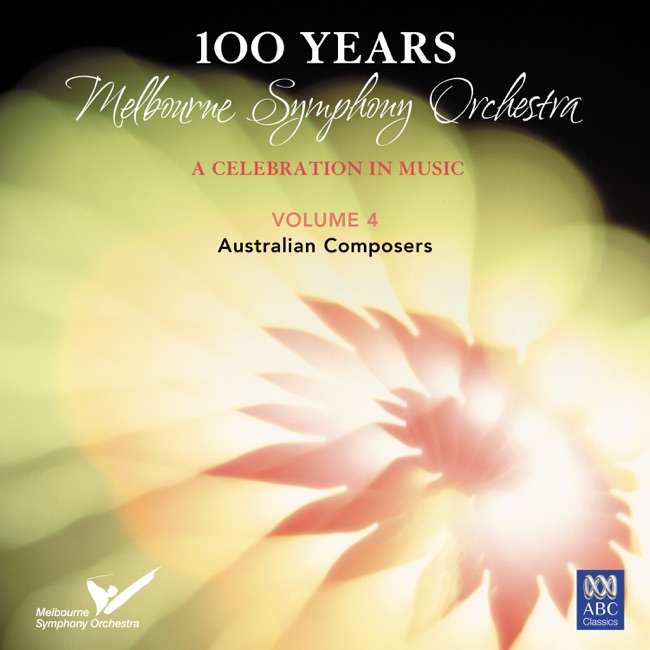 June 1, 2007
Concerto
-
 December 9, 2014
Artist Info
Role:ComposerCountry: AustraliaBirth:August 27, 1944 in Sydney, AustraliaPeriod:ContemporaryGenre:ChamberConcertoKeyboardBarry Conyngham is an Australian composer who has made significant contributions to the world of classical music. Born on October 27, 1944, in Maryborough, Victoria, Conyngham grew up in a family that valued music. His father was a pianist, and his mother was a singer, so it was only natural that Conyngham would develop an interest in music at a young age. Conyngham began his musical education at the age of six when he started taking piano lessons. He showed great promise as a pianist and went on to study at the Melbourne Conservatorium of Music. While at the conservatory, Conyngham studied composition with Keith Humble, who was a significant influence on his musical style. After completing his studies at the Melbourne Conservatorium of Music, Conyngham went on to study at the University of York in England. While there, he studied with Wilfred Mellers and David Blake, two composers who had a significant impact on his musical development. Conyngham's early works were heavily influenced by the avant-garde music of the 1960s and 1970s. His compositions were characterized by their use of unconventional techniques and sounds, such as extended techniques on instruments and electronic manipulation of sound. One of Conyngham's most significant works from this period is his "String Quartet No. 1," which was composed in 1972. The piece is notable for its use of unconventional techniques, such as the use of a bow on the strings of a piano, and its exploration of the sonic possibilities of the string quartet. In the 1980s, Conyngham's music began to evolve, and he started to incorporate more traditional elements into his compositions. His works from this period are characterized by their use of tonality and their exploration of the emotional and expressive possibilities of music. One of Conyngham's most significant works from this period is his "Symphony No. 1," which was composed in 1984. The piece is notable for its use of tonality and its exploration of the emotional and expressive possibilities of the symphony orchestra. In the 1990s, Conyngham's music continued to evolve, and he started to incorporate more diverse influences into his compositions. His works from this period are characterized by their use of world music and their exploration of the cultural and social issues of the time. One of Conyngham's most significant works from this period is his "Three Movements for Orchestra," which was composed in 1993. The piece is notable for its use of world music influences, such as African rhythms and Middle Eastern scales, and its exploration of the cultural and social issues of the time. In addition to his work as a composer, Conyngham has also been an influential figure in the Australian music scene. He has served as the Dean of the Faculty of Music at the University of Melbourne and has been a member of the Australia Council for the Arts. Conyngham's contributions to the world of classical music have been significant, and his works have been performed by some of the world's leading orchestras and ensembles. His music continues to be an important part of the contemporary classical music repertoire, and his influence on the Australian music scene is still felt today.More....
Copyright Ⓒ 2013 Davinci Finger. All rights reseved
Service Terms & Policy