


Alexander Gedike
Released Album
Concerto
-
 July 15, 2008
 -
-
 January 1, 1993
Chamber
-
 February 12, 2021
 -
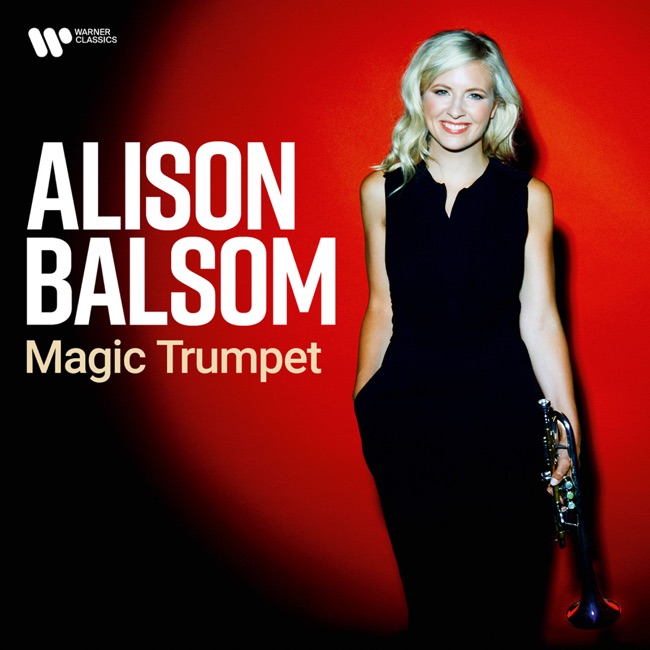 December 18, 2020
 -
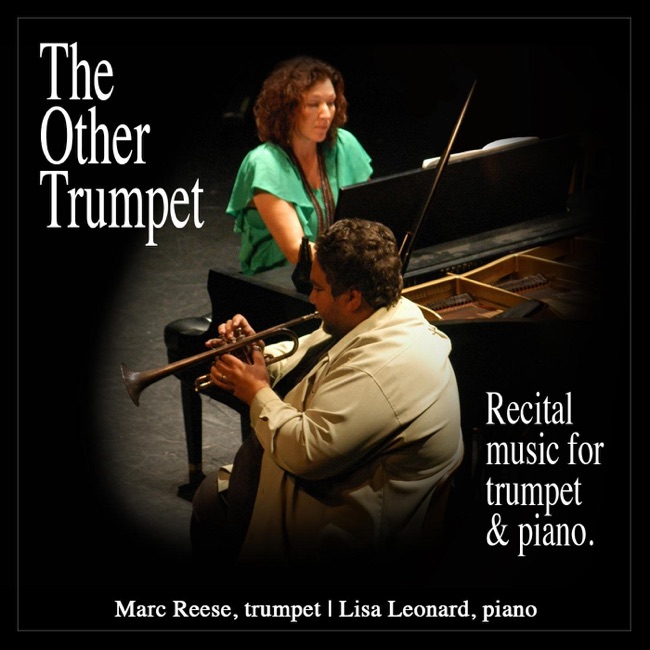 September 22, 2016
 -
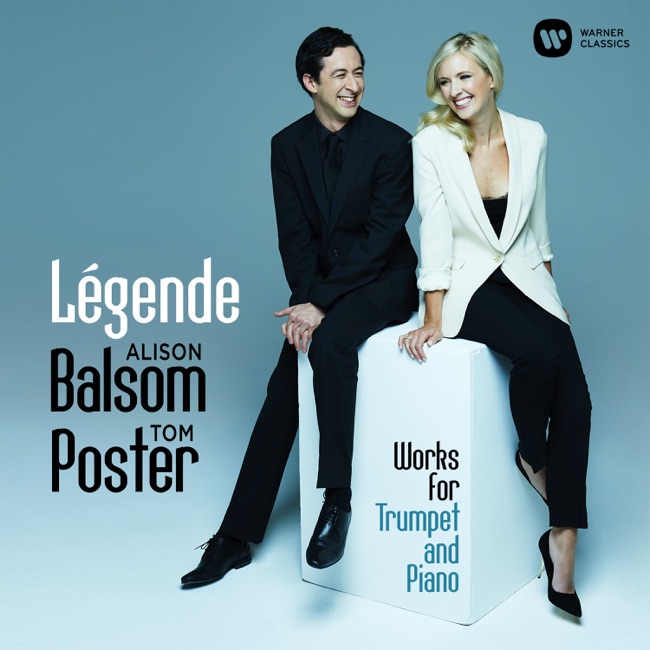 June 3, 2016
 -
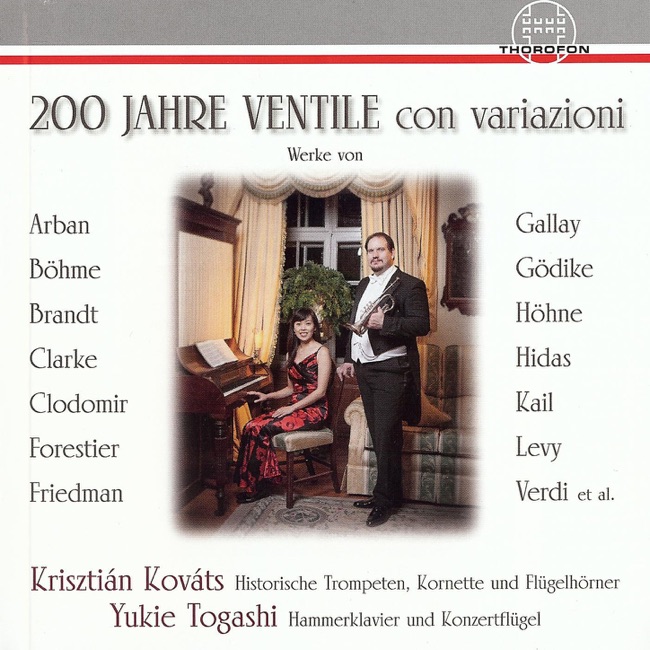 September 11, 2015
 -
 July 12, 2004
Artist Info
Role:ComposerCountry: RussiaBirth:March 4, 1877 in Moscow, RussiaDeath:July 9, 1957 in Moscow, RussiaPeriod:RomanticContemporaryGenre:ChamberConcertoKeyboardOrchestralAlexander Gedike was a Russian composer and pianist who was born on January 26, 1877, in St. Petersburg, Russia. He was born into a family of musicians, and his father, Nikolai Gedike, was a well-known composer and music teacher. Alexander showed an early interest in music and began studying piano and composition at a young age. Gedike's musical education began at the St. Petersburg Conservatory, where he studied piano with Anna Yesipova and composition with Nikolai Rimsky-Korsakov. He later continued his studies in Berlin with Ferruccio Busoni and in Paris with Isidor Philipp. Gedike's early compositions were heavily influenced by the Russian nationalist style of his father and Rimsky-Korsakov, but he later developed a more individual style that incorporated elements of impressionism and modernism. Gedike's career as a composer began in earnest in the early 1900s, when he began to receive commissions for his music. His first major work was the Piano Concerto No. 1, which he composed in 1903. The concerto was well-received and helped establish Gedike's reputation as a composer. He went on to compose a number of other works for piano, including several sonatas and a set of preludes. In addition to his work as a composer, Gedike was also a highly regarded pianist. He performed extensively throughout Russia and Europe, and was known for his virtuosic technique and expressive playing. He was particularly admired for his performances of the music of Chopin and Liszt. Gedike's most famous work is his ballet, The Firebird, which he composed in 1910. The ballet was commissioned by Sergei Diaghilev's Ballets Russes, and was choreographed by Michel Fokine. The Firebird was a huge success, and helped establish the Ballets Russes as one of the most important dance companies of the early 20th century. The ballet's score is characterized by its lush orchestration and colorful harmonies, and is considered one of the greatest works of the Russian ballet tradition. Gedike continued to compose throughout his life, and his later works show a continued development of his individual style. He composed a number of works for chamber ensembles, including a string quartet and a piano trio. He also wrote several choral works, including a setting of the Russian Orthodox liturgy. Gedike's music fell out of favor in the Soviet Union after the Russian Revolution, as his music was seen as too conservative and lacking in revolutionary spirit. However, his music has enjoyed a resurgence in popularity in recent years, and is now recognized as an important part of the Russian classical music tradition. In addition to his work as a composer and pianist, Gedike was also a respected music educator. He taught at the St. Petersburg Conservatory for many years, and his students included a number of prominent composers and pianists. He was known for his rigorous teaching style and his emphasis on technical excellence. Gedike died on December 11, 1957, in Leningrad, Russia. He left behind a legacy of music that continues to be celebrated and performed today. His music is characterized by its lush harmonies, expressive melodies, and virtuosic piano writing, and is an important part of the Russian classical music tradition.More....
Recent Artist Music
1
13:48

Copyright Ⓒ 2013 Davinci Finger. All rights reseved
Service Terms & Policy