


Giulio Castagnoli
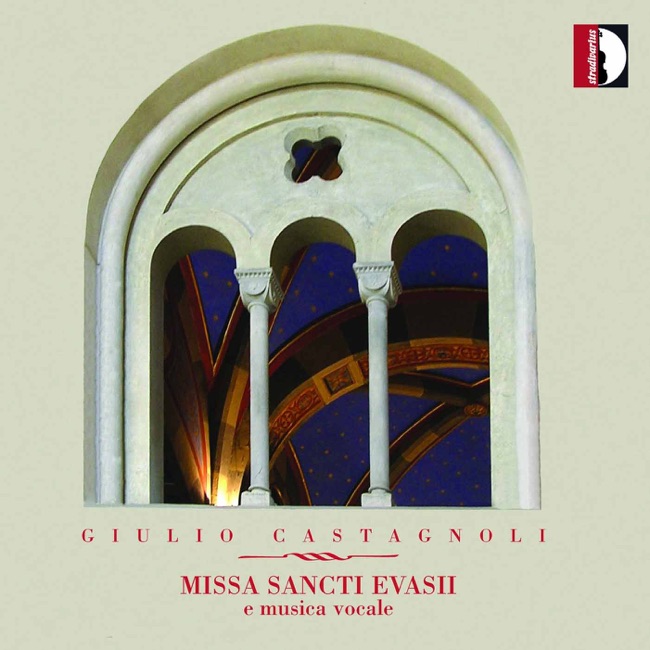
Artist Info
Role:ComposerPeriod:ContemporaryGenre:Avant-GardeChamberConcertoVocalGiulio Castagnoli was an Italian composer of classical music who lived from 1880 to 1952. He was born in the city of Bologna, Italy, and grew up in a family of musicians. His father was a violinist and his mother was a pianist, and they both encouraged their son to pursue a career in music. Castagnoli began his musical education at a young age, studying piano and violin with his parents. He showed a natural talent for music and quickly progressed in his studies. At the age of 12, he began studying composition with the renowned Italian composer Giuseppe Martucci. In 1898, Castagnoli entered the Conservatory of Milan, where he studied composition with Amilcare Ponchielli and piano with Giovanni Sgambati. He graduated in 1902 with a degree in composition and began his career as a composer. Castagnoli's early works were influenced by the Romantic composers of the 19th century, particularly Chopin and Liszt. He wrote a number of piano pieces and songs during this period, which were well-received by audiences and critics alike. In 1906, Castagnoli moved to Rome, where he became involved in the city's vibrant musical scene. He began to experiment with new forms and styles, incorporating elements of Impressionism and Modernism into his compositions. One of Castagnoli's most significant works from this period was his Piano Concerto No. 1, which he composed in 1910. The concerto was premiered in Rome the following year, with Castagnoli himself as the soloist. The piece was praised for its virtuosity and originality, and it helped establish Castagnoli as one of Italy's leading composers. During World War I, Castagnoli served in the Italian army as a musician. He wrote a number of patriotic songs and marches during this period, which were performed by military bands throughout Italy. After the war, Castagnoli returned to Rome and resumed his career as a composer. He continued to experiment with new forms and styles, incorporating elements of jazz and popular music into his compositions. One of Castagnoli's most popular works from this period was his Suite for Orchestra, which he composed in 1922. The suite was inspired by the sights and sounds of Rome, and it featured a number of catchy melodies and rhythms that were reminiscent of Italian folk music. In 1925, Castagnoli was appointed director of the Conservatory of Bologna, where he had studied as a young man. He held this position for 20 years, during which time he helped to establish the conservatory as one of Italy's leading institutions for musical education. Despite his busy schedule as a teacher and administrator, Castagnoli continued to compose throughout his life. He wrote a number of operas, ballets, and symphonies, as well as numerous chamber works and songs. One of Castagnoli's most significant works from his later years was his Symphony No. 3, which he composed in 1948. The symphony was a reflection on the devastation of World War II and the hope for a better future. It was premiered in Rome in 1950, just two years before Castagnoli's death. Castagnoli's music was characterized by its lyricism, its use of folk melodies and rhythms, and its incorporation of new forms and styles. He was a prolific composer who wrote in a variety of genres, and his works were performed throughout Italy and beyond. Today, Castagnoli is remembered as one of Italy's most important composers of the 20th century.More....
Recent Artist Music
Copyright Ⓒ 2013 Davinci Finger. All rights reseved
Service Terms & Policy