


Trujillo Codex Anonymous
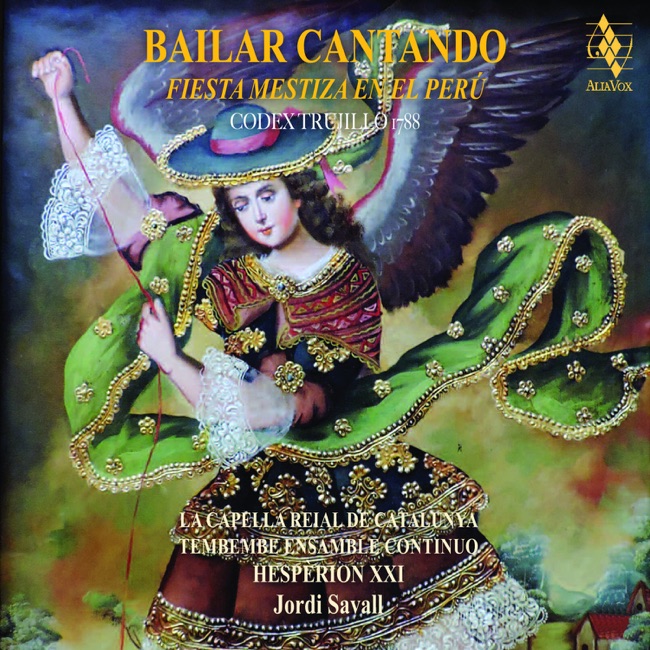
Artist Info
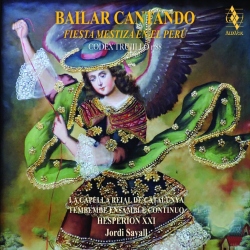
Role:ComposerTrujillo Codex Anonymous is a classical music composer whose birth and life remain shrouded in mystery. The composer's name is derived from the Trujillo Codex, a manuscript that contains a collection of music from the 18th century. The Trujillo Codex is believed to have originated in the region of Trujillo, Spain, and is considered to be one of the most important sources of Spanish colonial music. The Trujillo Codex Anonymous is believed to have been active during the 18th century, although the exact dates of birth and death are unknown. The composer's music is characterized by a fusion of European and indigenous musical traditions, reflecting the cultural diversity of the Spanish colonies in the Americas. The Trujillo Codex contains a total of 45 pieces of music, including villancicos, tonos, and cantadas. Villancicos are traditional Spanish Christmas carols, while tonos and cantadas are secular songs that were popular in the Spanish colonies. The music in the Trujillo Codex is written in a variety of styles, including polyphony, homophony, and monophony. One of the highlights of the Trujillo Codex is the villancico "A la xácara, xacarilla," which is a lively and festive song that is often performed during the Christmas season. The piece features a catchy melody and a rhythmic accompaniment that is played on percussion instruments such as the tambourine and castanets. Another notable piece in the Trujillo Codex is the tono "Albricias, mortales," which is a song that celebrates the birth of Jesus Christ. The piece is written in a homophonic style, with the melody sung by the choir and the accompaniment played on the organ. The tono is notable for its use of chromaticism, which was a relatively new technique in the 18th century. The Trujillo Codex also contains several cantadas, which are secular songs that were popular in the Spanish colonies. One of the most famous cantadas in the codex is "La Tarara," which is a lively and rhythmic song that is often performed at festivals and celebrations. The piece features a call-and-response structure, with the soloist singing a line and the choir responding with a refrain. Despite the popularity of the Trujillo Codex, the identity of the composer remains a mystery. Some scholars have suggested that the music in the codex was written by a group of composers, while others believe that it was the work of a single composer who chose to remain anonymous. Regardless of the identity of the composer, the Trujillo Codex remains an important source of Spanish colonial music. The music in the codex reflects the cultural diversity of the Spanish colonies and provides a glimpse into the musical traditions of the 18th century. Today, the music in the Trujillo Codex continues to be performed and enjoyed by audiences around the world.More....
Recent Artist Music
Copyright Ⓒ 2013 Davinci Finger. All rights reseved
Service Terms & Policy