


Franciscus Andrieu
Released Album
Vocal
-
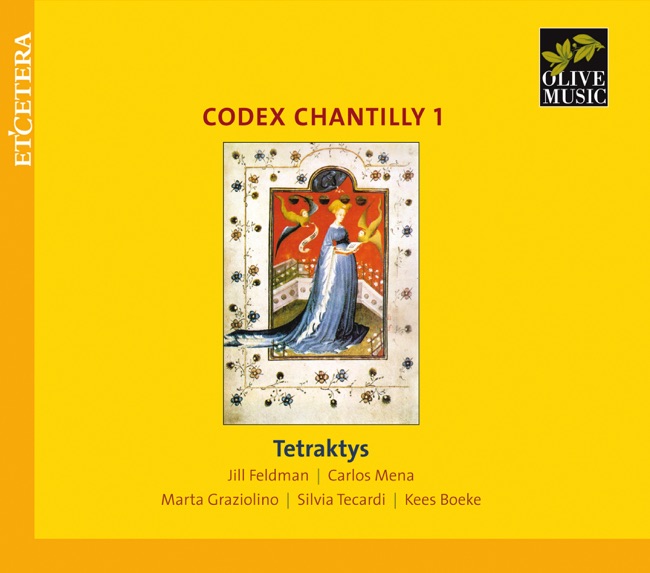 2008
2008 -
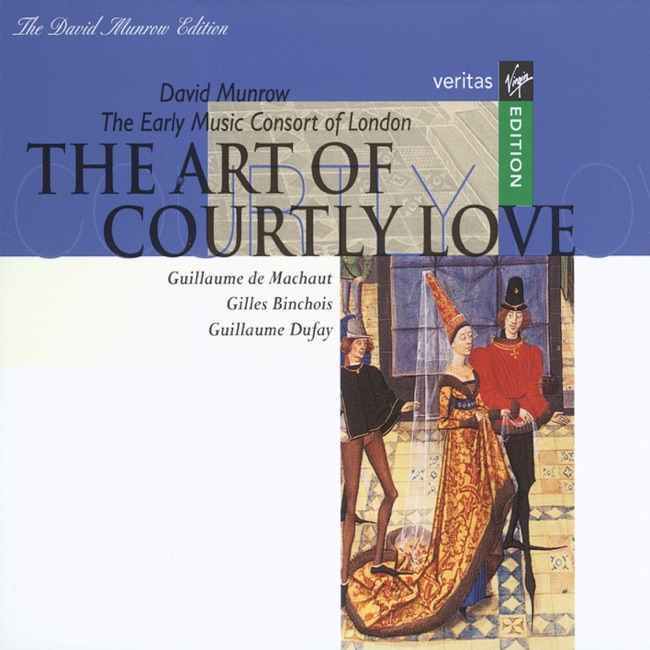 December 31, 2005
 -
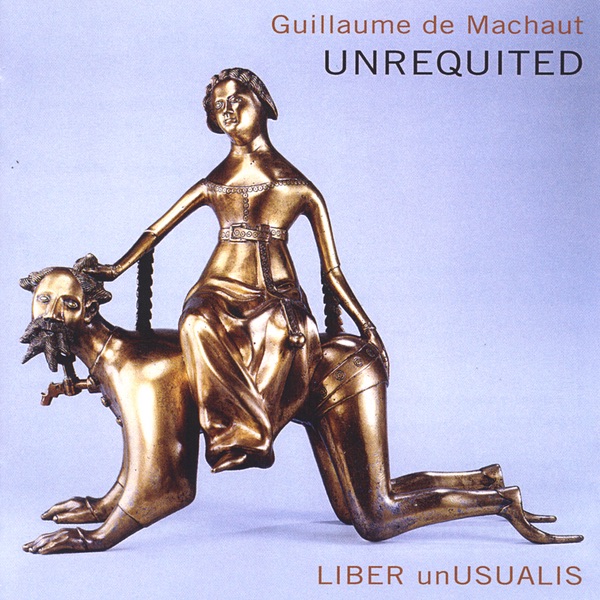 March 1, 2004
 -
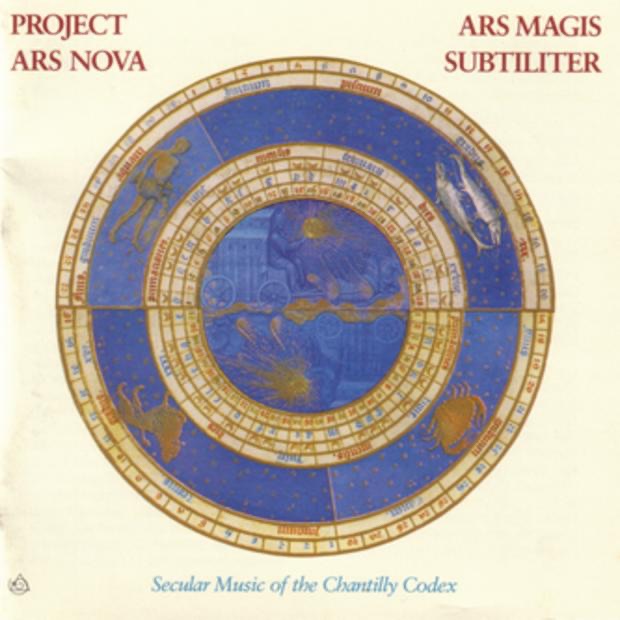 January 1, 1989
Artist Info
Role:ComposerCountry: FranceBirth:1340Death:1380Period:RenaissanceGenre:VocalFranciscus Andrieu was a French composer of the Baroque era, born in 1650 in the city of Lyon. He was the son of a musician and grew up in a musical family, which greatly influenced his interest in music. At a young age, he began studying music and quickly showed a talent for composition. Andrieu's early works were primarily vocal pieces, including motets and cantatas. He was heavily influenced by the works of Italian composers such as Claudio Monteverdi and Giacomo Carissimi, and his music reflected this influence. His vocal works were characterized by their expressive melodies and intricate harmonies, which were often accompanied by a small ensemble of instruments. In the early 1680s, Andrieu moved to Paris, where he quickly established himself as a prominent composer. He was appointed as the music director of the Royal Chapel, a position he held for over 20 years. During this time, he composed a number of works for the chapel, including masses, motets, and hymns. One of Andrieu's most famous works is his Te Deum, which was composed in 1690 to celebrate the French victory at the Battle of Fleurus. The piece is a grand choral work, featuring a large choir and orchestra, and is characterized by its majestic melodies and powerful harmonies. The Te Deum was widely performed throughout France and became one of Andrieu's most popular works. In addition to his vocal works, Andrieu also composed a number of instrumental pieces, including sonatas and suites. His instrumental music was characterized by its lively rhythms and intricate counterpoint, and was often performed by small ensembles of instruments. Andrieu's music was highly regarded during his lifetime, and he was considered one of the leading composers of his time. His works were widely performed throughout France and Europe, and he was praised for his innovative use of harmony and melody. Despite his success, Andrieu's life was not without its challenges. He suffered from poor health throughout his life, and his financial situation was often precarious. However, he continued to compose music until his death in 1712, leaving behind a legacy of beautiful and innovative works that continue to be performed and admired to this day.More....
Recent Artist Music
Copyright Ⓒ 2013 Davinci Finger. All rights reseved
Service Terms & Policy