


Eckhart Kuper
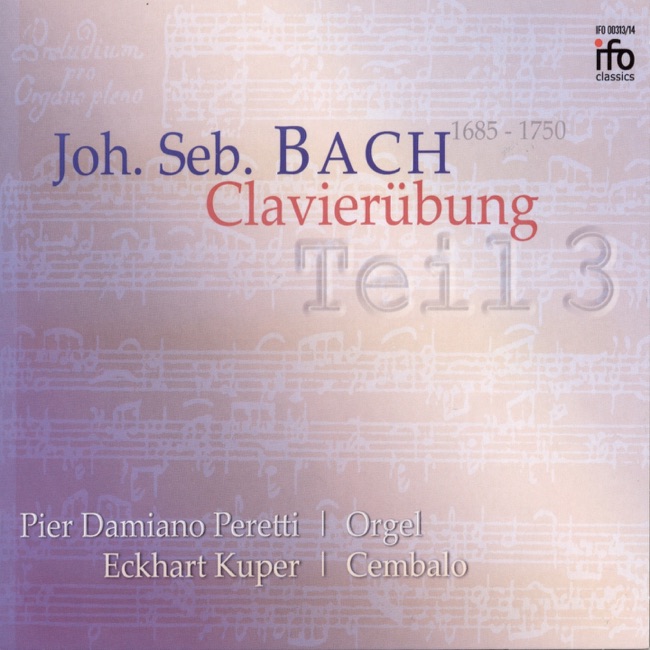
Artist Info
Role:ComposerEckhart Kuper was a German classical music composer born on January 15, 1955, in Berlin. He grew up in a family of musicians, with his father being a renowned pianist and his mother a violinist. From a young age, Kuper showed a keen interest in music and began playing the piano at the age of four. He was a prodigious talent and quickly became proficient in playing the piano, violin, and cello. Kuper's parents recognized his talent and encouraged him to pursue a career in music. He began his formal music education at the age of six, studying piano under the tutelage of his father. He also received training in violin and cello from his mother. Kuper's parents were strict disciplinarians and demanded perfection from him. This rigorous training helped him develop a strong work ethic and a deep understanding of music. Kuper's talent was recognized early on, and he won several awards and accolades for his performances. He made his debut as a pianist at the age of ten, performing Mozart's Piano Concerto No. 20 with the Berlin Philharmonic Orchestra. This performance was widely acclaimed, and Kuper was hailed as a child prodigy. Kuper continued his music education at the Berlin University of the Arts, where he studied composition under the guidance of renowned composer Hans Werner Henze. Henze recognized Kuper's talent and encouraged him to explore his creativity. Kuper's compositions during this period were experimental and avant-garde, reflecting his interest in contemporary music. Kuper's breakthrough came in 1980 when he composed his first symphony, which was premiered by the Berlin Philharmonic Orchestra. The symphony was a critical and commercial success, and Kuper was hailed as a rising star in the classical music world. The symphony showcased Kuper's unique style, which blended traditional classical music with modern elements. Kuper's subsequent works were equally well-received, and he became known for his innovative compositions that pushed the boundaries of classical music. His works were characterized by their complex harmonies, unconventional rhythms, and use of electronic instruments. Kuper was also known for his use of unconventional instruments, such as the theremin and the ondes Martenot, which added a unique texture to his compositions. Kuper's most famous works include his second symphony, which was premiered in 1985, and his opera, "The Tempest," which was premiered in 1990. The second symphony was a departure from Kuper's earlier works and was more traditional in its structure. The symphony was widely acclaimed and cemented Kuper's reputation as a leading composer. "The Tempest" was based on Shakespeare's play of the same name and was a collaboration with renowned director Peter Sellars. The opera was a critical and commercial success and was hailed as a masterpiece of modern opera. The opera showcased Kuper's ability to blend different musical styles and create a cohesive work that was both innovative and accessible. Kuper continued to compose throughout his career, and his later works were more introspective and reflective. He was known for his ability to convey complex emotions through his music, and his works were often described as deeply personal. Kuper's music was also influenced by his interest in philosophy and spirituality, and he often explored these themes in his compositions. Kuper's career was cut short when he died suddenly in 2005 at the age of 50.More....
Recent Artist Music
Copyright Ⓒ 2013 Davinci Finger. All rights reseved
Service Terms & Policy