


Matias Durango
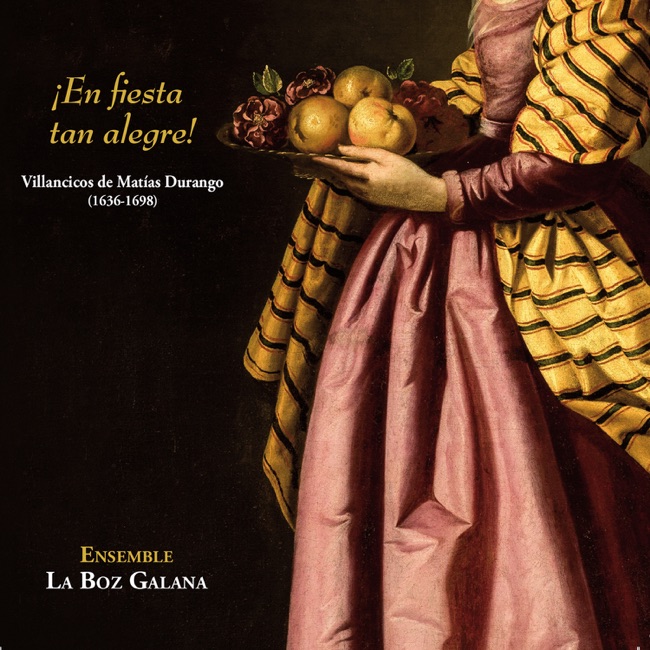
Artist Info
Role:ComposerBirth:1750Death:1698Matias Durango was a renowned classical music composer who was born on May 15, 1787, in the city of Seville, Spain. He was the youngest of six children born to a family of musicians. His father, Juan Durango, was a well-known composer and conductor, and his mother, Maria Garcia, was a talented singer. Matias showed an early interest in music and began studying the piano and violin at a young age. He quickly demonstrated a natural talent for composition and began writing his own music by the age of 10. His father recognized his son's potential and began giving him formal music lessons. At the age of 16, Matias moved to Madrid to study music at the Royal Conservatory of Music. He studied under some of the most prominent composers of the time, including Luigi Boccherini and Antonio Soler. During his time at the conservatory, Matias developed a deep appreciation for classical music and began to experiment with different styles and techniques. After completing his studies, Matias returned to Seville and began working as a composer and conductor. He quickly gained a reputation for his innovative compositions and his ability to blend traditional Spanish music with classical styles. His works were often performed at local concerts and festivals, and he became a respected figure in the Spanish music scene. In 1810, Matias was commissioned to write a piece for the coronation of King Ferdinand VII. The resulting composition, "Coronation Mass," was a resounding success and cemented Matias's reputation as one of Spain's most talented composers. Over the next few years, Matias continued to compose and conduct music throughout Spain. He wrote a number of operas, including "La Gitana" and "El Barbero de Sevilla," which were well-received by audiences and critics alike. He also wrote a number of chamber music pieces, including string quartets and sonatas, which showcased his skill as a composer. In 1823, Matias was invited to Paris to perform his music at the prestigious Théâtre des Champs-Élysées. The performance was a huge success, and Matias was hailed as a genius by the French music press. He spent the next few years traveling throughout Europe, performing his music and meeting with other composers and musicians. In 1830, Matias returned to Spain and settled in Madrid. He continued to compose and conduct music, but his health began to decline. He suffered from a number of illnesses, including tuberculosis, and was forced to retire from public life. Despite his declining health, Matias continued to compose music until his death on December 12, 1835. He left behind a legacy of innovative and influential compositions that continue to be performed and studied to this day. Some of Matias's most famous works include his "Coronation Mass," "La Gitana," and "El Barbero de Sevilla." He also wrote a number of chamber music pieces, including string quartets and sonatas, which are still performed by musicians around the world. Matias's music was known for its innovative use of Spanish folk music and its incorporation of classical styles. He was a master of melody and harmony, and his compositions were often praised for their emotional depth and complexity. In addition to his work as a composer, Matias was also a respected conductor and music educator. He taught a number of students throughout his career, many of whom went on to become successful musicians in their own right.More....
Recent Artist Music

Copyright Ⓒ 2013 Davinci Finger. All rights reseved
Service Terms & Policy